How to choose the stone for your project

A conscious choice

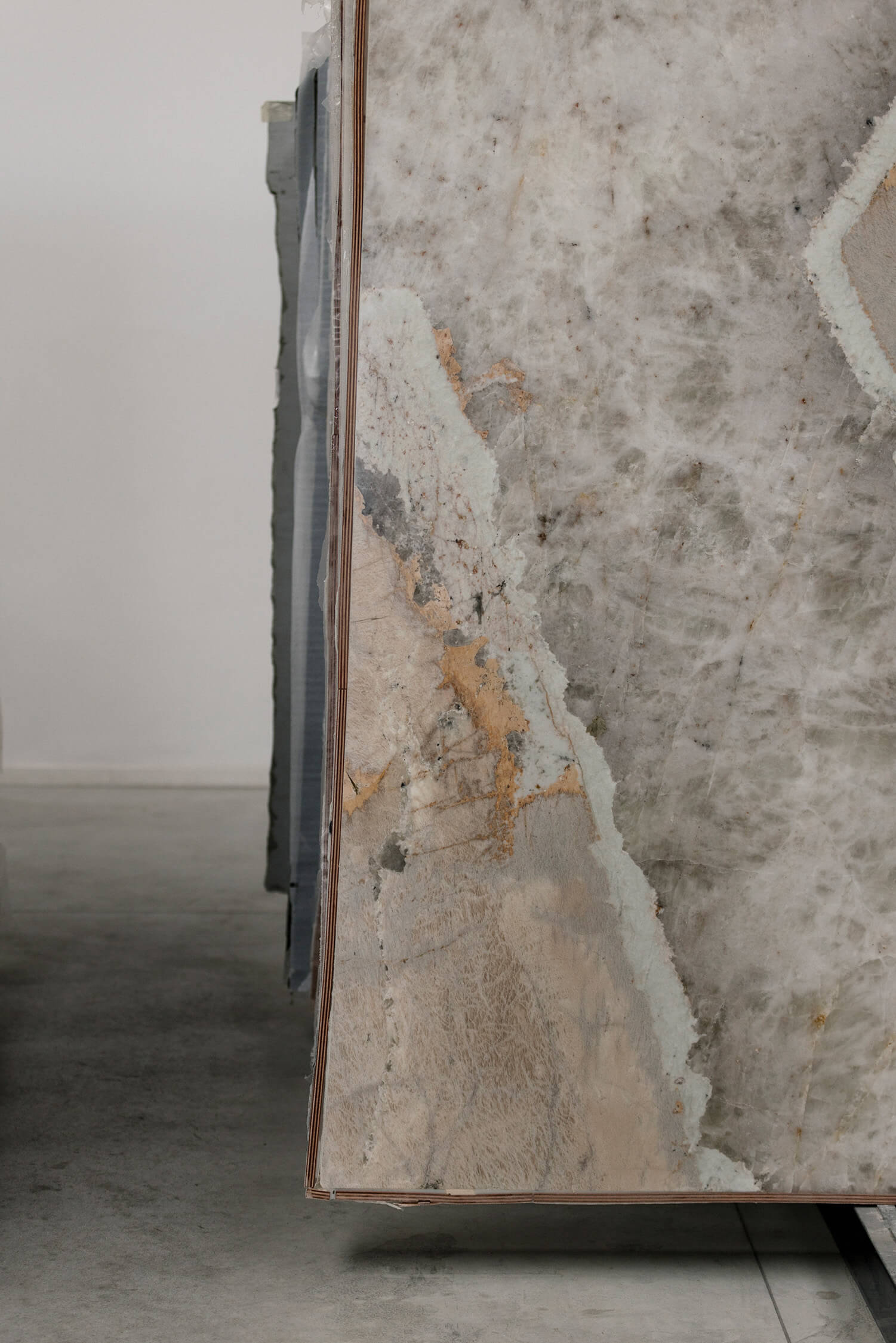
Today the world of natural stone offers an extraordinary variety of materials. New quarries, international supply chains and processing technologies have greatly expanded the range of stones available for architecture and interior design projects. This richness leads to a very simple conclusion: there is always a natural stone suitable for every project. At the same time, the wide availability of materials also makes the choice more complex. To navigate colours, textures, technical properties and price ranges, it is helpful to follow a clear method.

In most cases, selecting natural stone means balancing three fundamental factors:

  • aesthetics
  • technical characteristics
  • budget

Understanding how these three elements interact is the first step toward making a conscious choice.
Aesthetics: the relationship with space

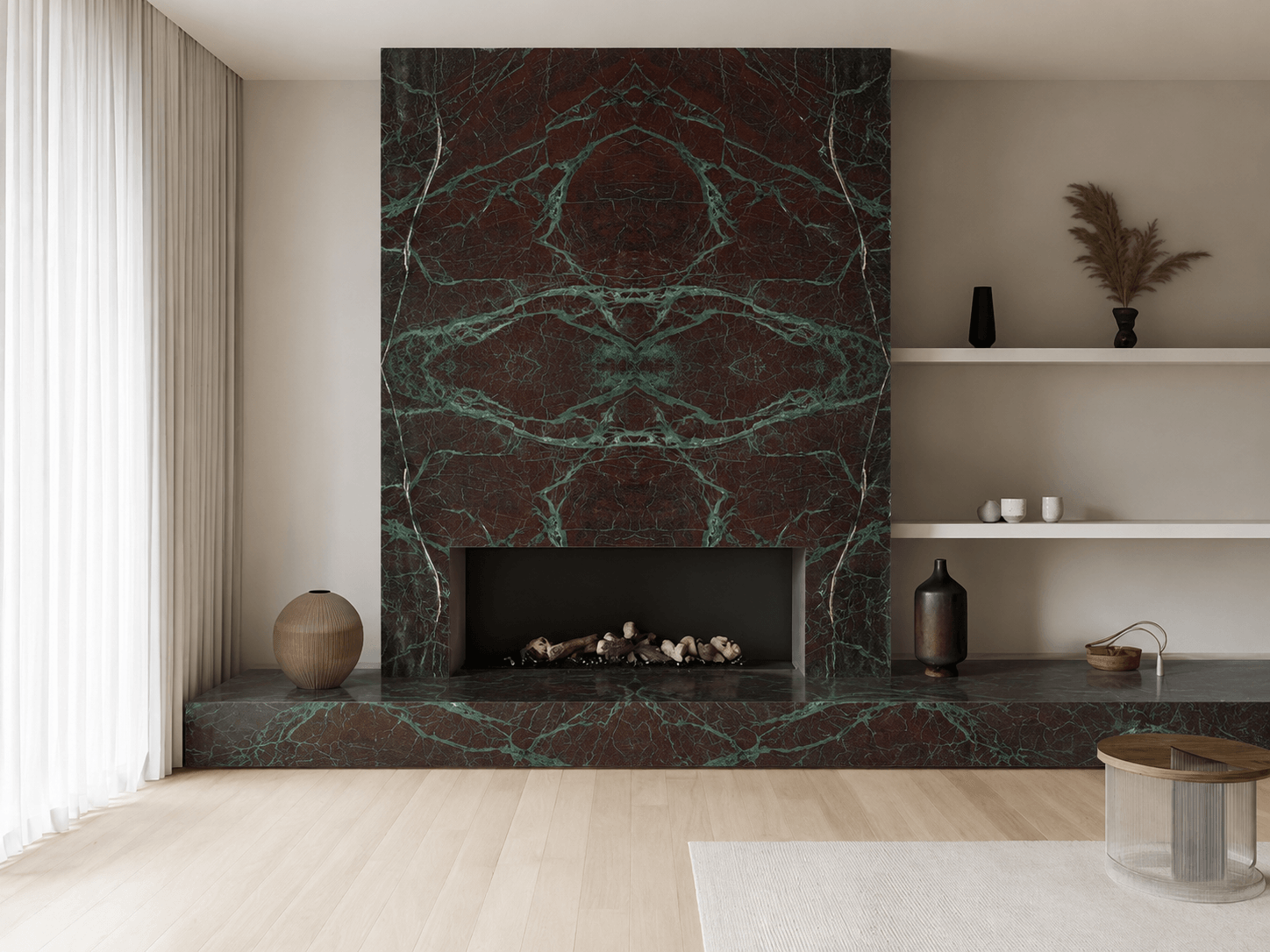
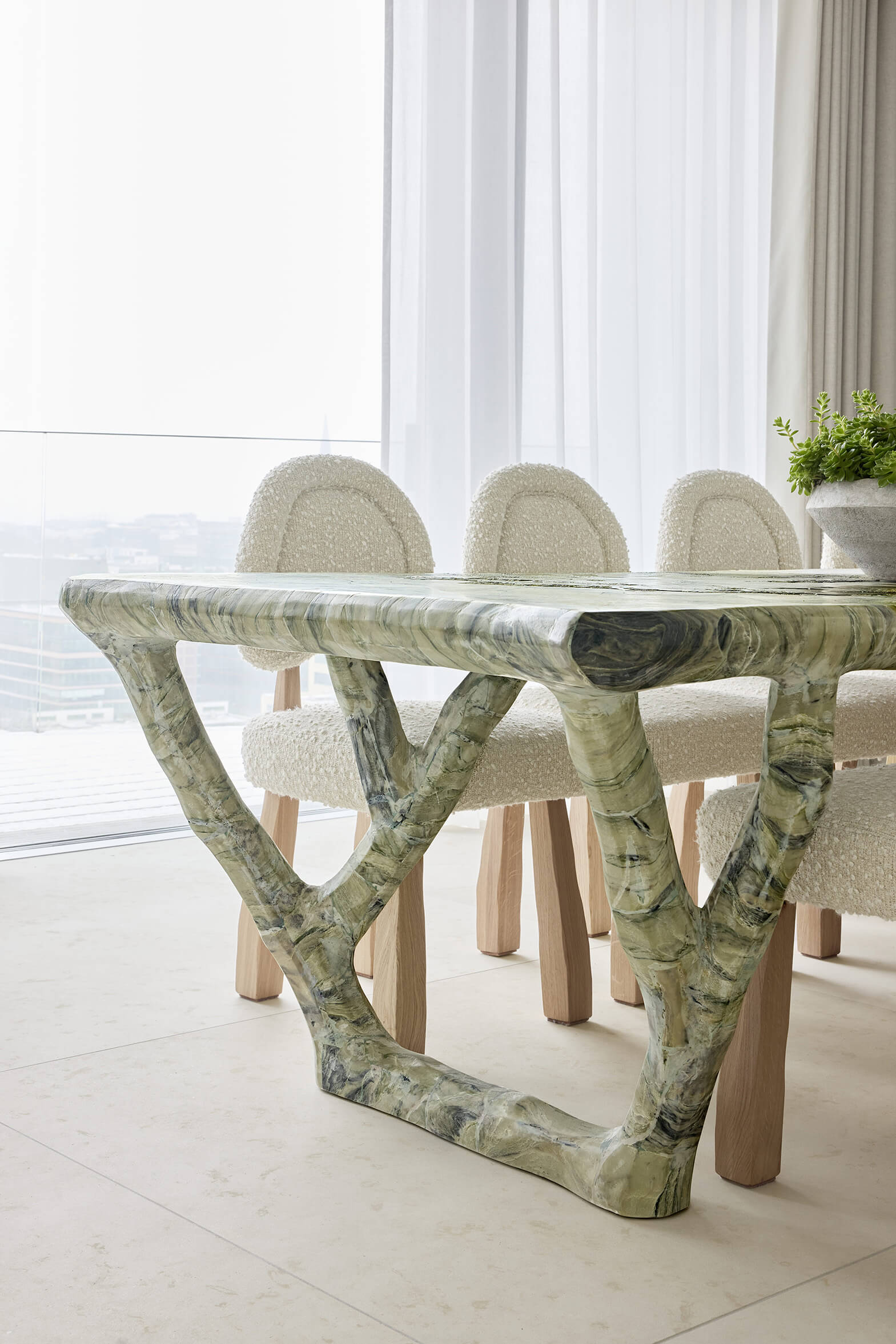
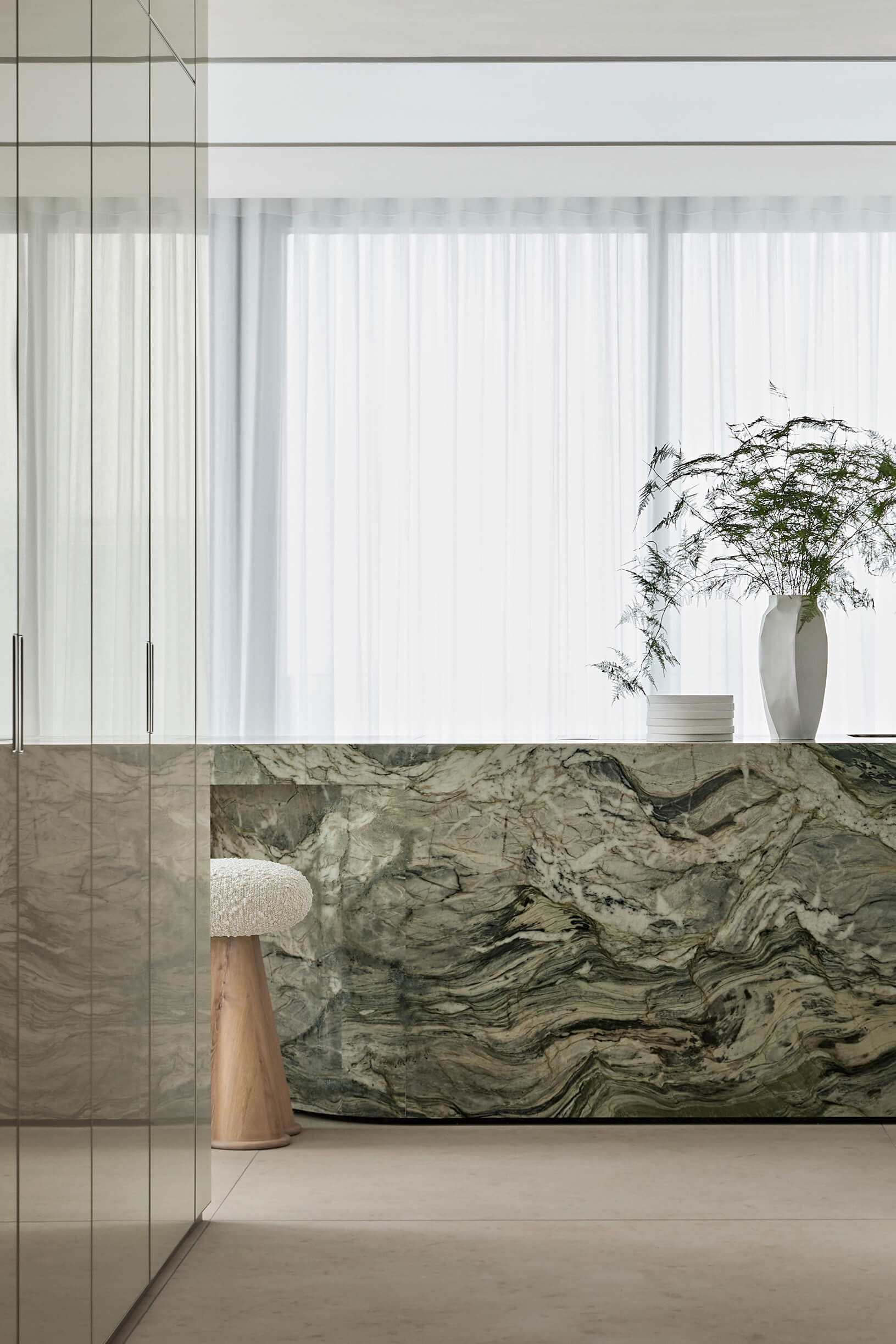
The first dimension of the choice is usually aesthetic. Colours, veining, textures and surface structures determine the character of the stone and the way it interacts with space. In interior design projects, natural stone is often one of the ingredients that compose the space. In some cases it becomes the starting point of the design: a strongly characterised stone can define colour palettes, materials and atmospheres for the entire environment, as in the project Built-in, where the material itself becomes an architectural element.

In other situations, however, the stone is selected later in the process. First an aesthetic vision of the project is defined, proportions, light, materials and colours, and only afterwards the most coherent stone is chosen. For this reason, aesthetic choice does not concern the stone alone, but the relationship between the material, the space and the other elements of the project.

To see how natural stone is interpreted in different design contexts, explore our inspiration articles.

Credits: Mark Seelen

Technical characteristics: performance and intended use

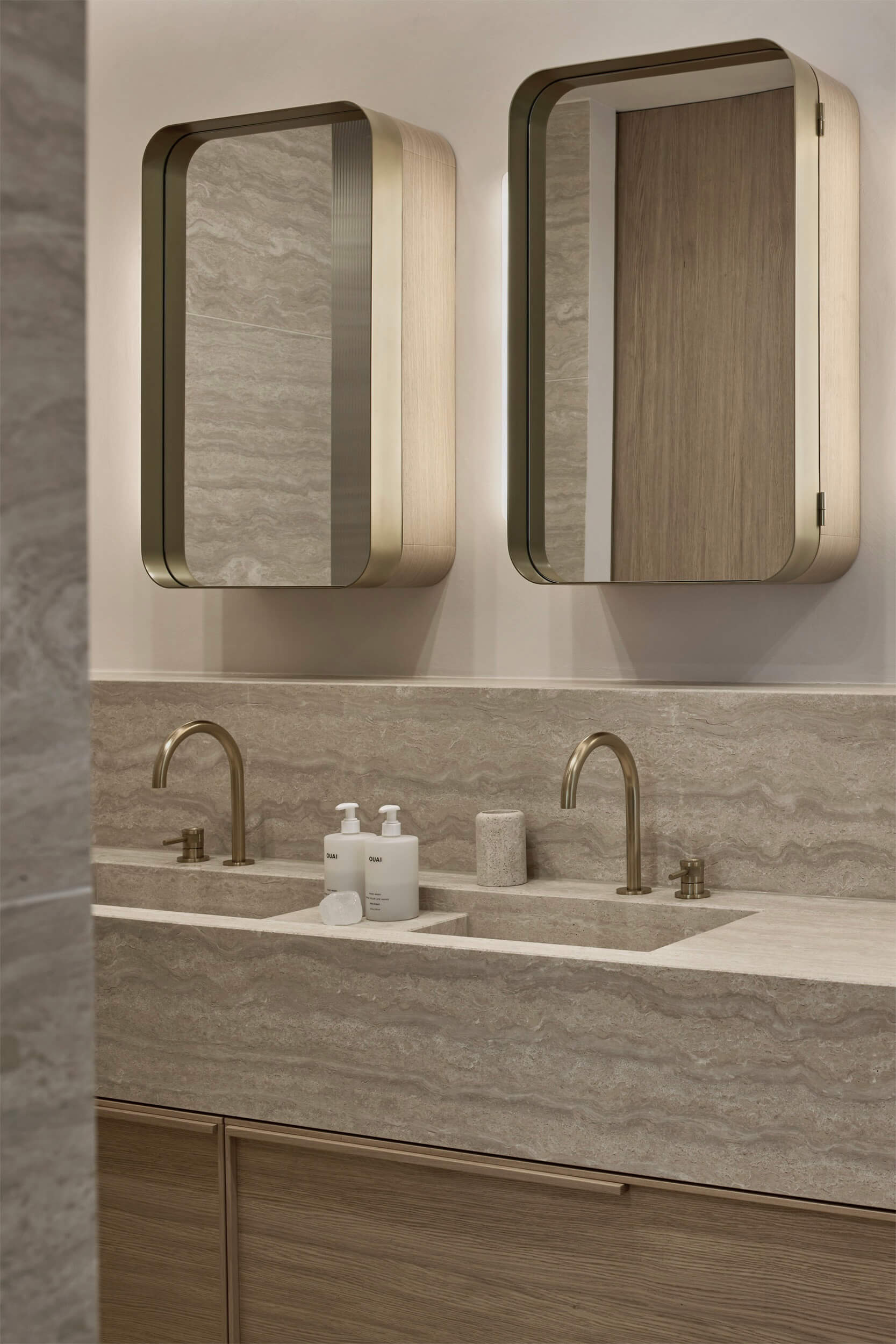
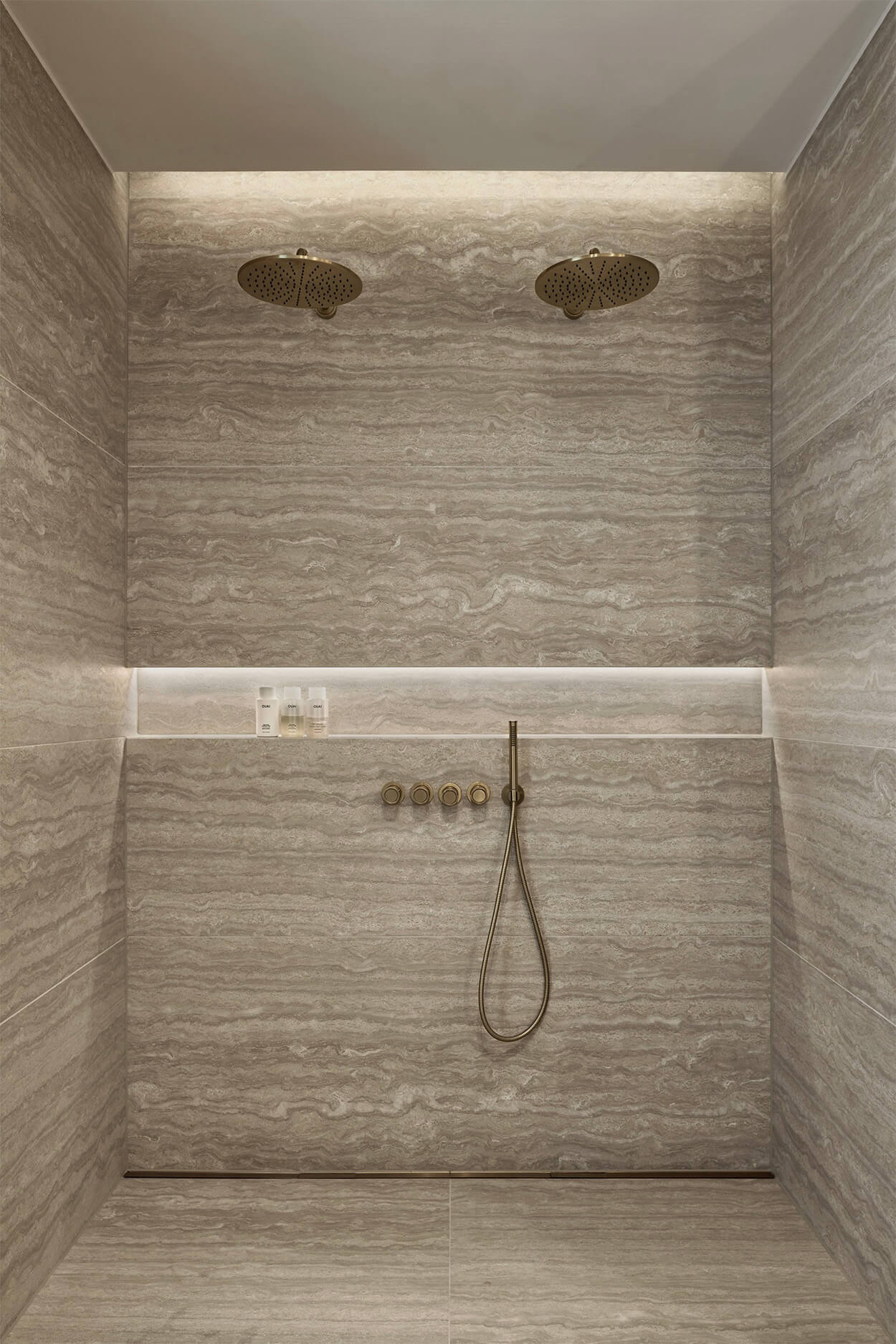
The second dimension concerns the technical characteristics of the stone. Not all stones behave in the same way. Some are extremely compact and resistant, others are more delicate or porous. Some materials are particularly suitable for surfaces subject to intensive use, while others express their full potential mainly in decorative or architectural applications. The context of use is therefore essential. A kitchen countertop, a bathroom cladding, a feature wall or a floor all require different levels of performance. If you want to understand how different stones form and why they present such diverse characteristics, consult our guide Knowing natural stone.
Knowing these properties allows you to select the material not only from an aesthetic perspective, but also in terms of durability, maintenance and functionality.

Budget: rarity, availability and market value

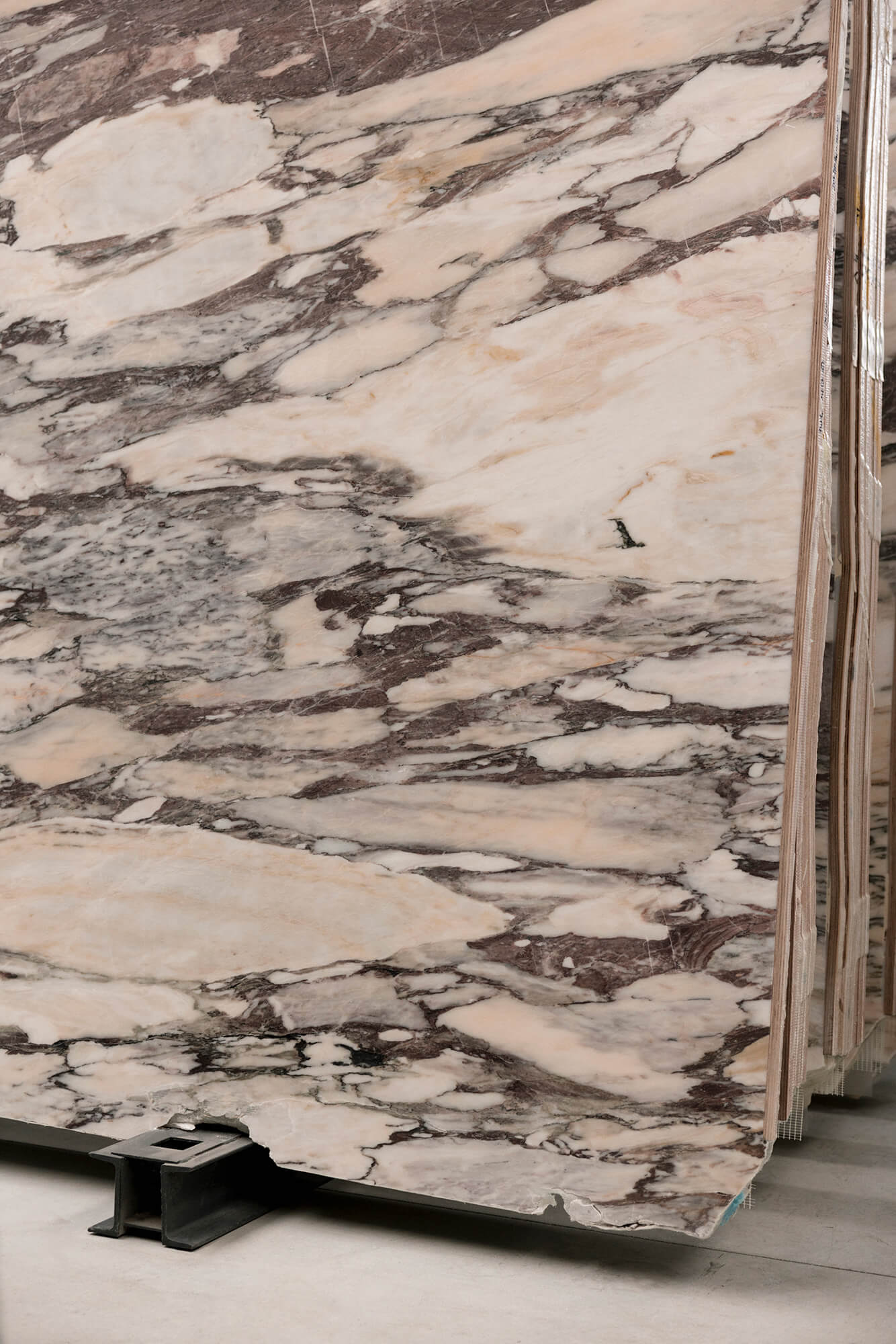
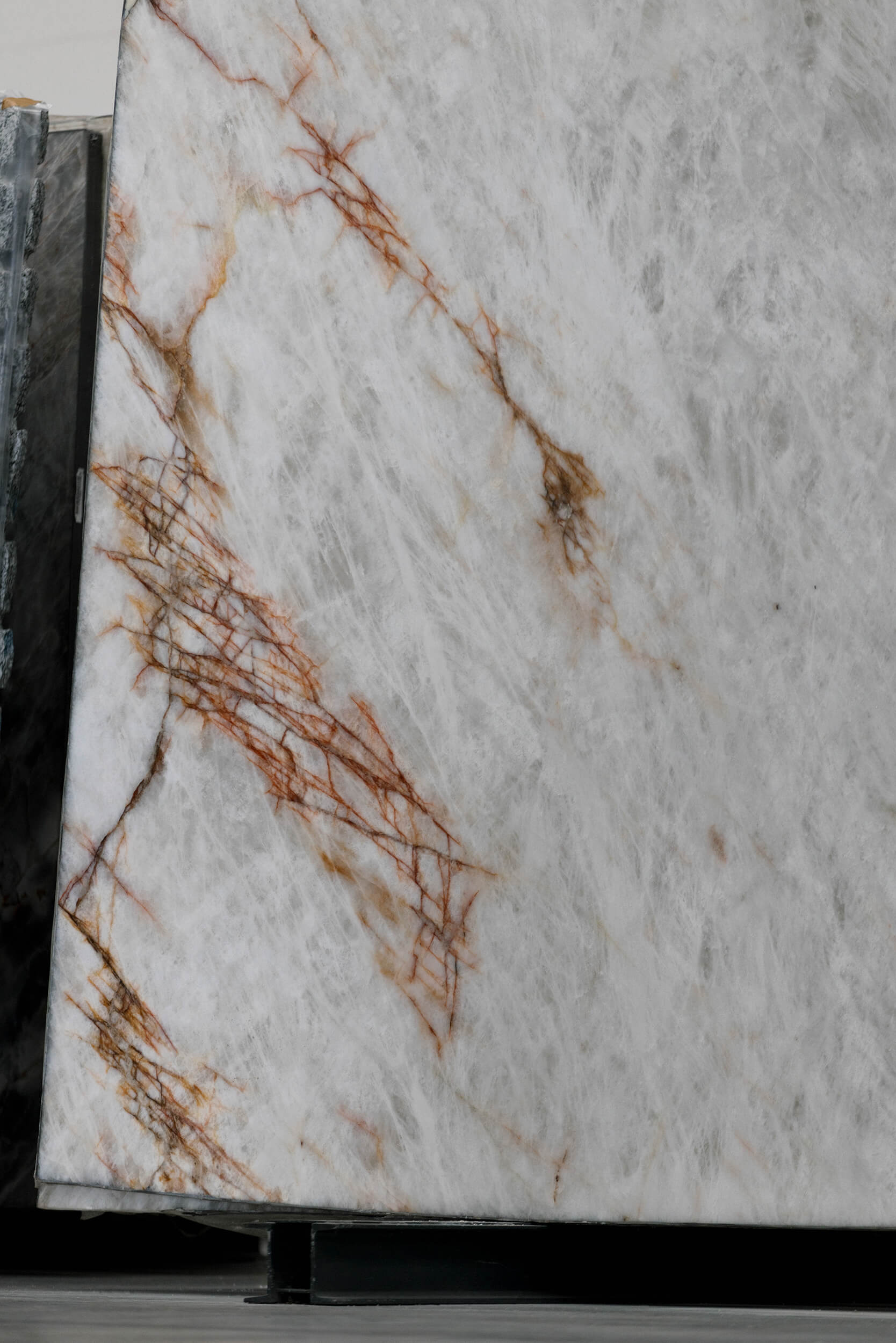
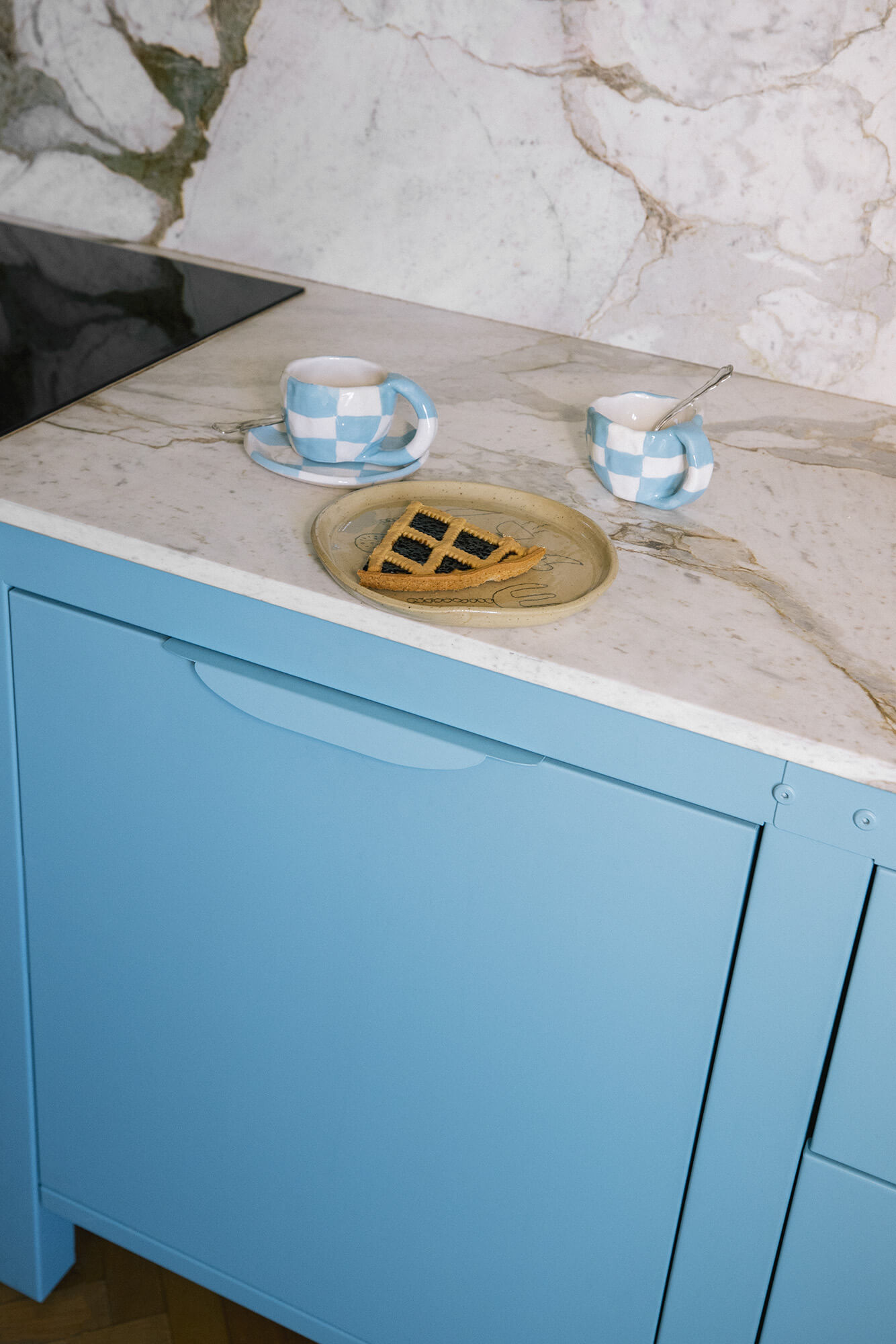
The third factor is budget, which depends on several elements. Some stones are rarer or come from quarries with limited availability. Others have a lower yield during extraction or require more complex processing. The slab size and the quantity of material required can also influence the overall project cost. Within the stone market there are also materials that have gradually become brand materials such as Patagonia, Calacatta Viola, Cristallo). Stones that are particularly recognizable or widely used in architecture and design tend to attract more attention and demand, which can also affect their market value.
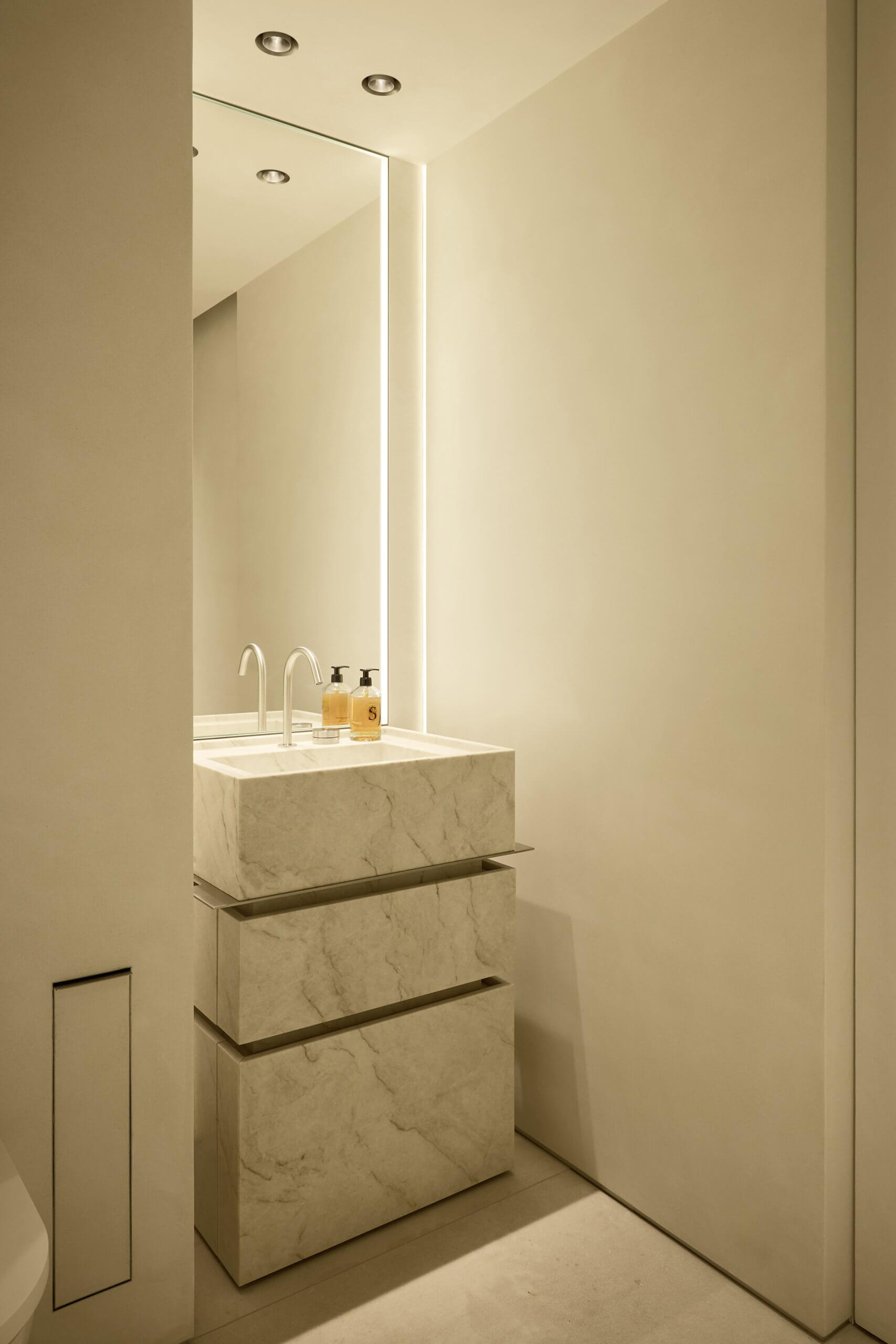
It is therefore important to remember that budget does not only concern the price of the stone itself, but the entire material system: slab selection, processing, transport and installation.

Credits: Matteo Bianchessi

The balance between the three factors

When choosing natural stone, there is no material that is universally “better”. Instead, there is the material that is most appropriate for a specific project. When aesthetics, technical characteristics and budget reach the right balance, natural stone becomes much more than a surface covering. It becomes a material capable of shaping space, interacting with architecture and accompanying everyday life over time.
Choosing the right stone therefore means understanding both the material and the project together.