Solid carving

Matter taking shape

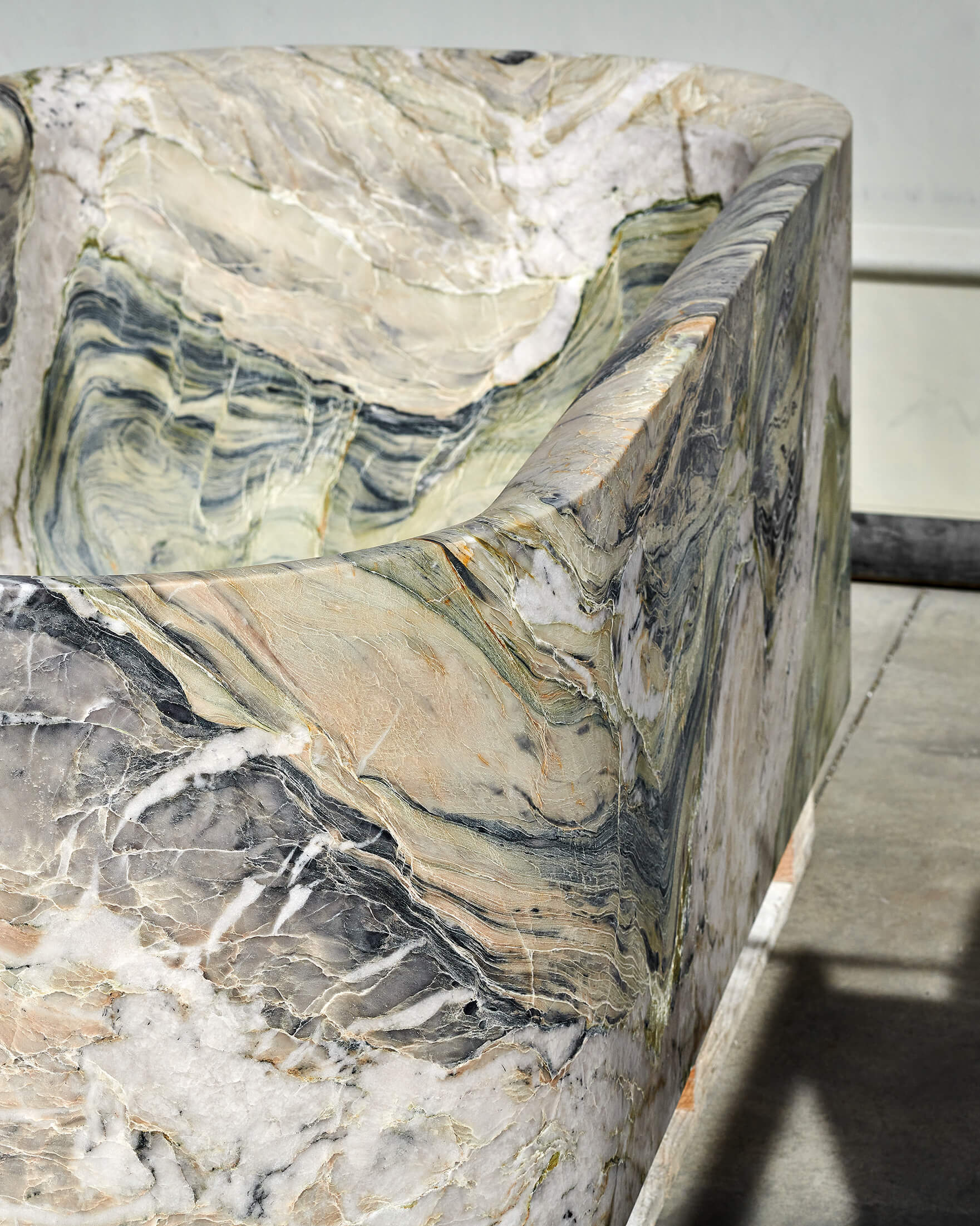
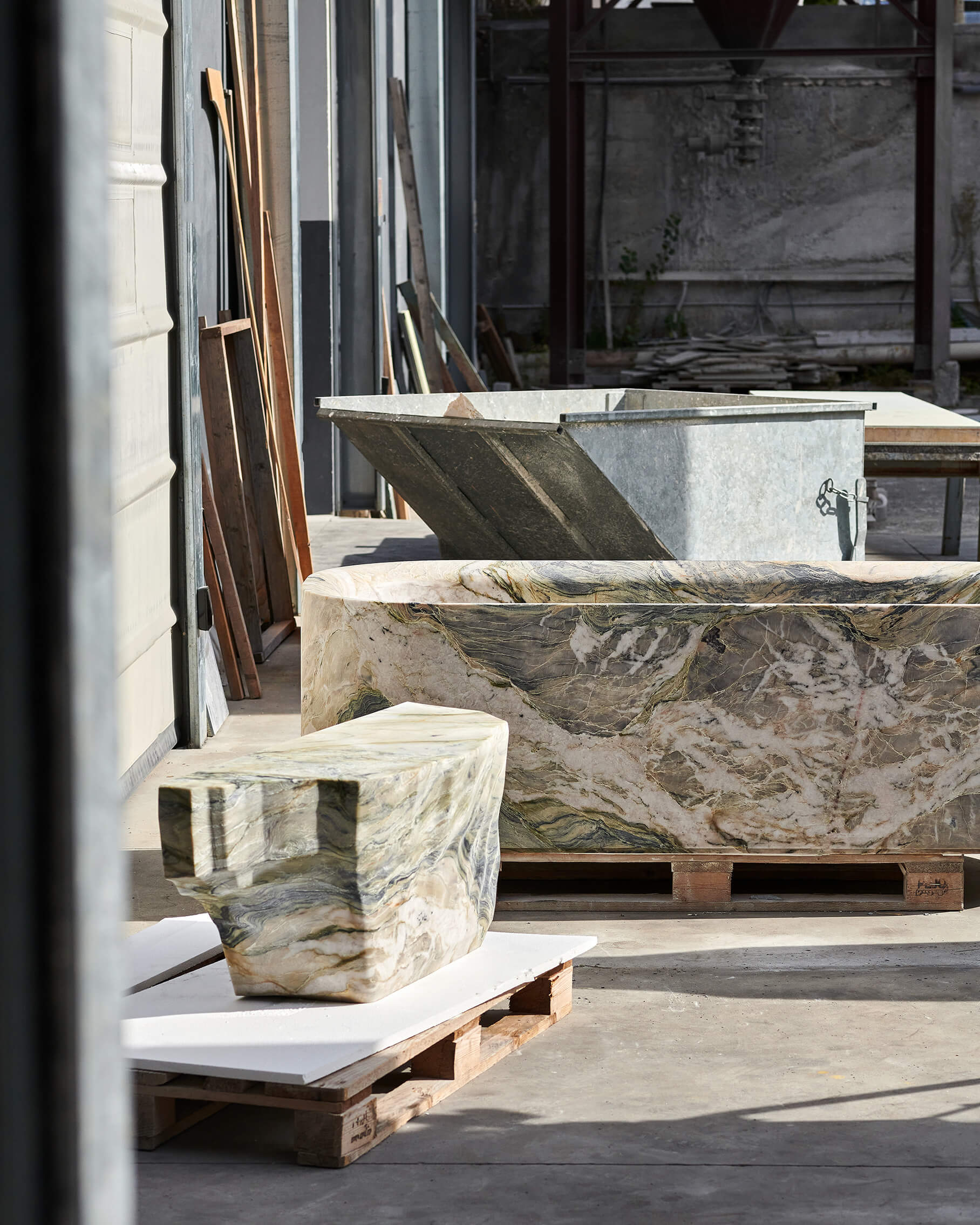
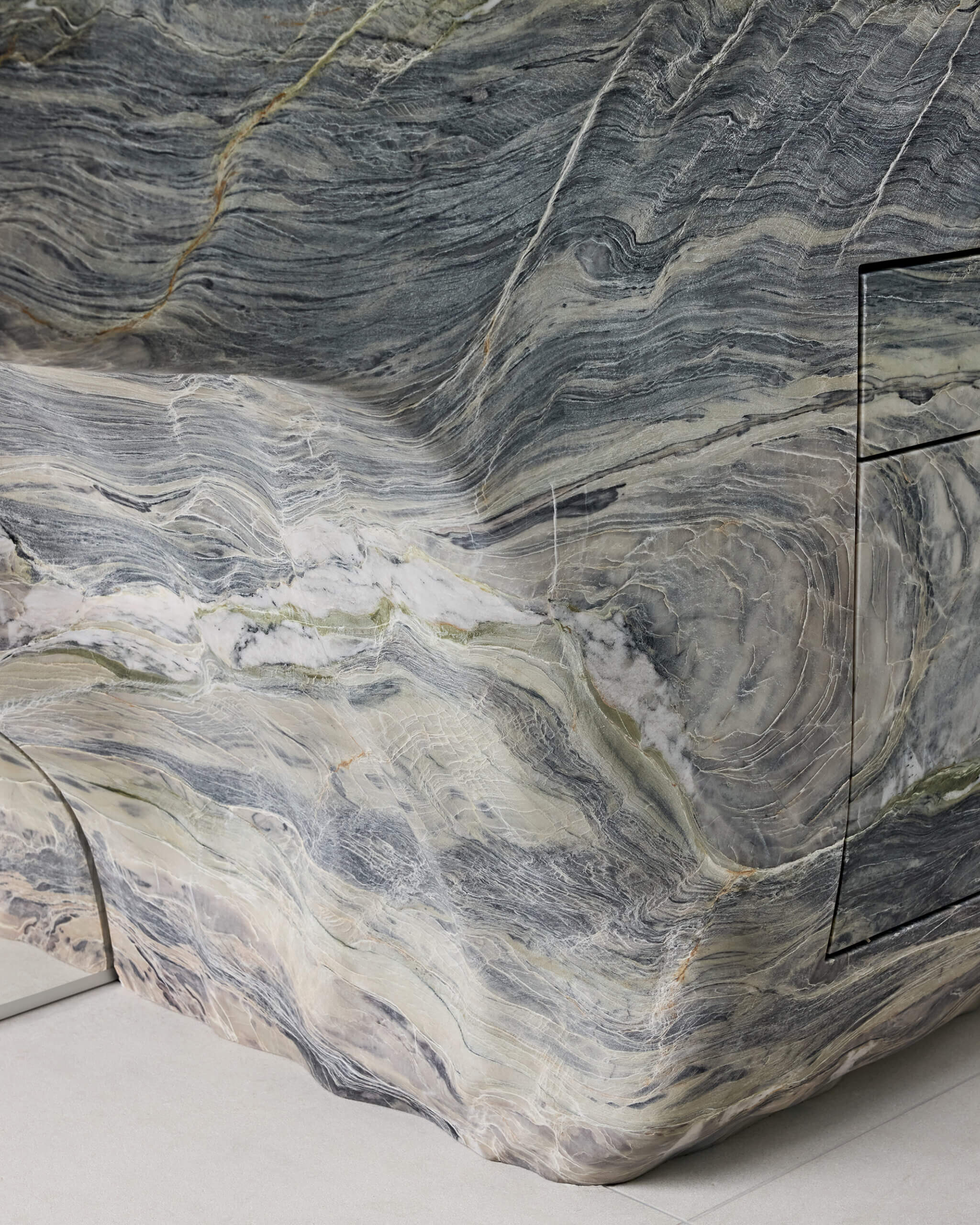
If surface finishes represent the skin of natural stone, solid carving reveals its body. In this case, the material is not only worked on the surface, but sculpted through its volume. Starting from a block or a solid mass, the stone is carved until a three-dimensional form emerges.
It is a process close to sculpture: the form is not added, but released from the material itself. In this sense, solid carving represents one of the most authentic ways of working with natural stone.
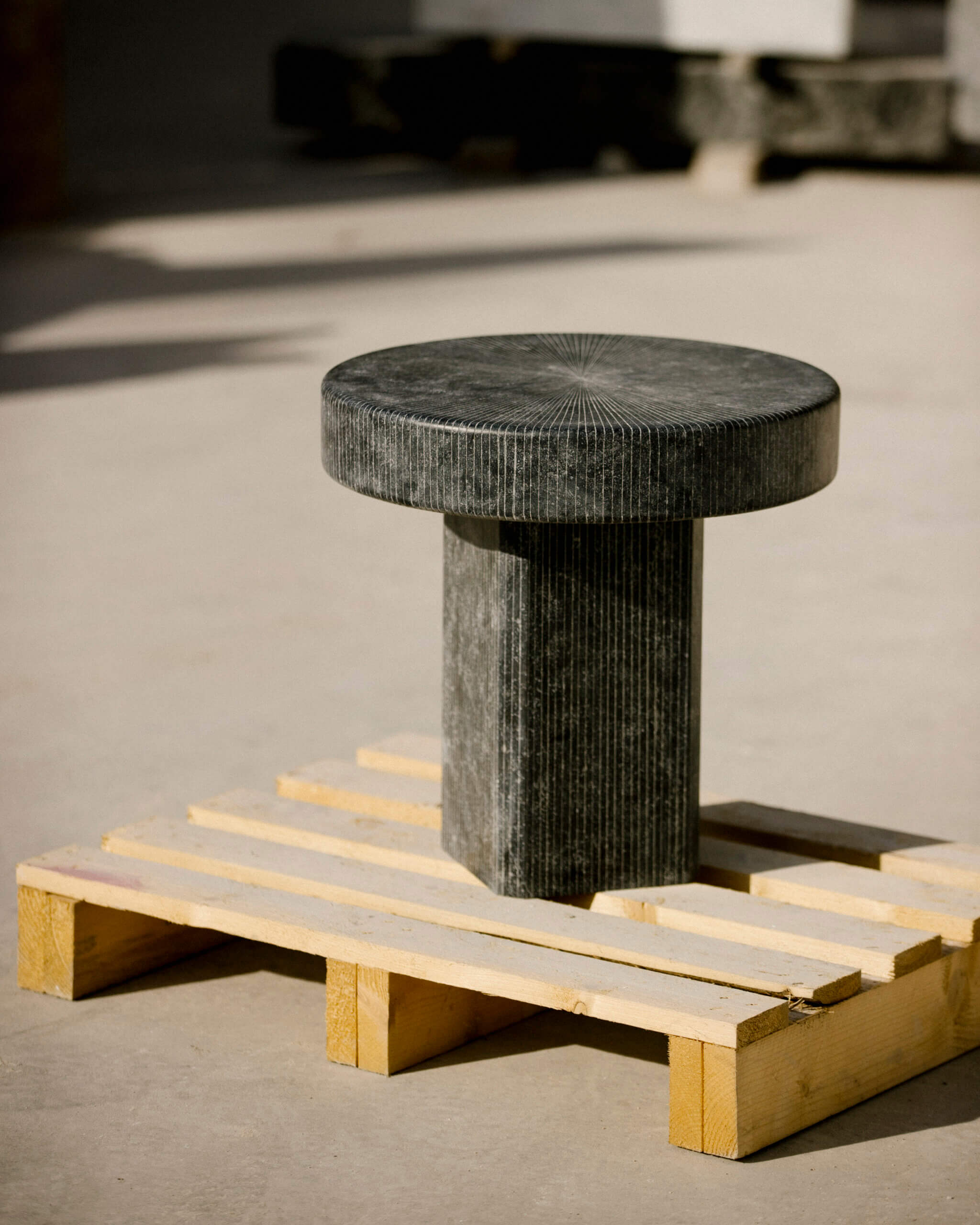
 

Credits: Matteo Bianchessi

The strength of solid matter

Natural stone has a unique characteristic compared to many contemporary materials: it is solid. Its structure is not made of layers or coatings, but of compact matter running through the entire volume. This full body nature allows the stone to be carved, shaped and transformed while maintaining a consistent material identity.
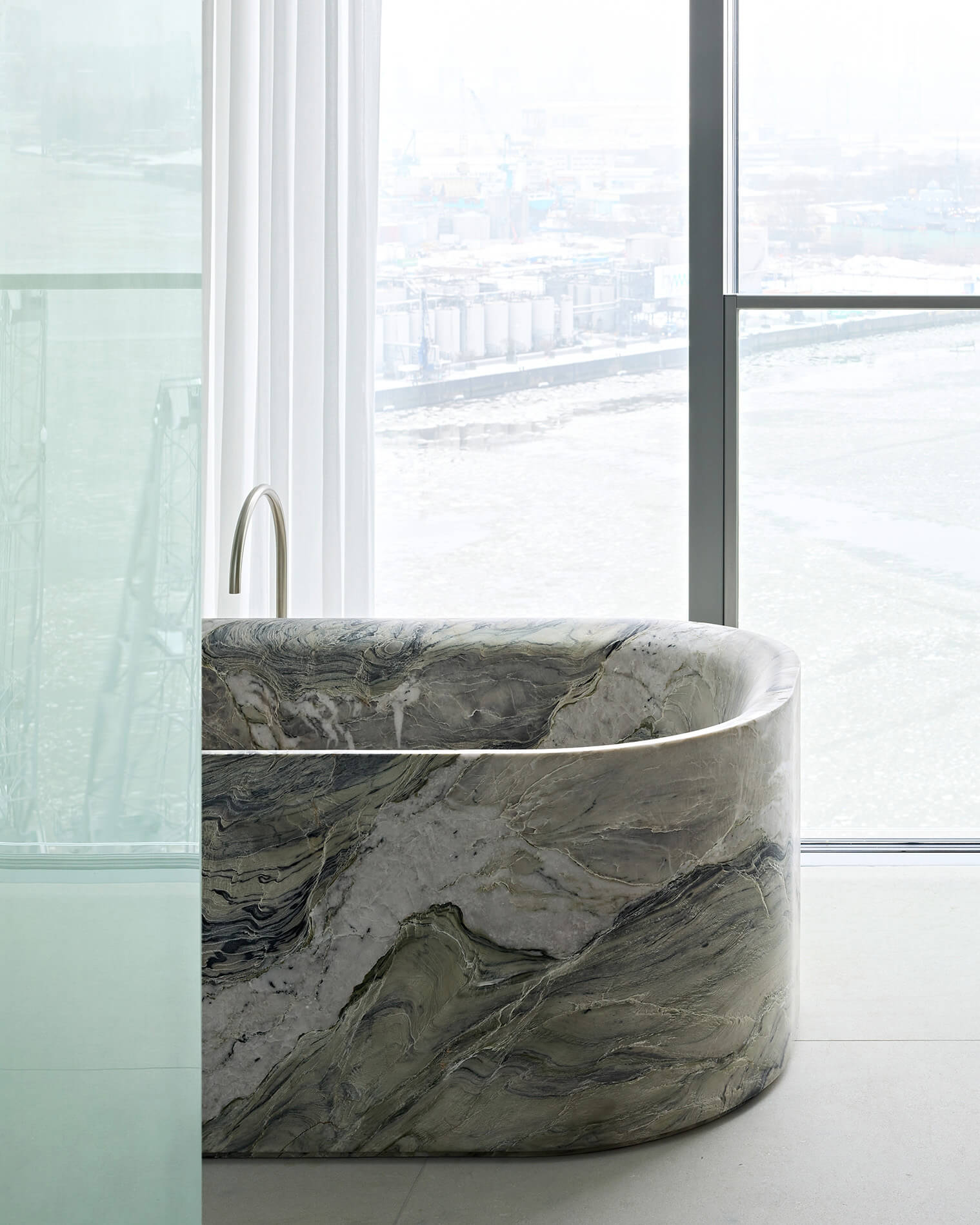
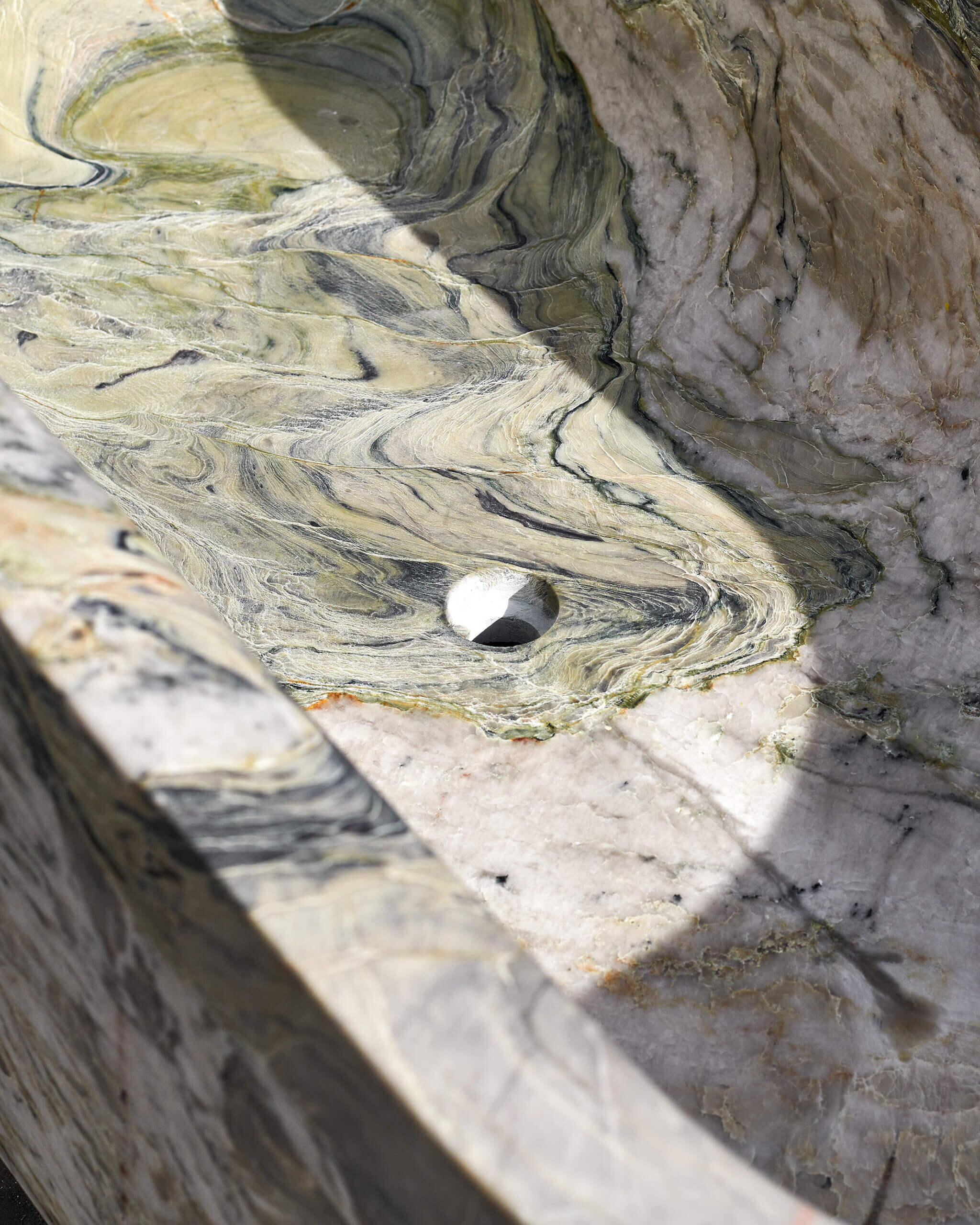
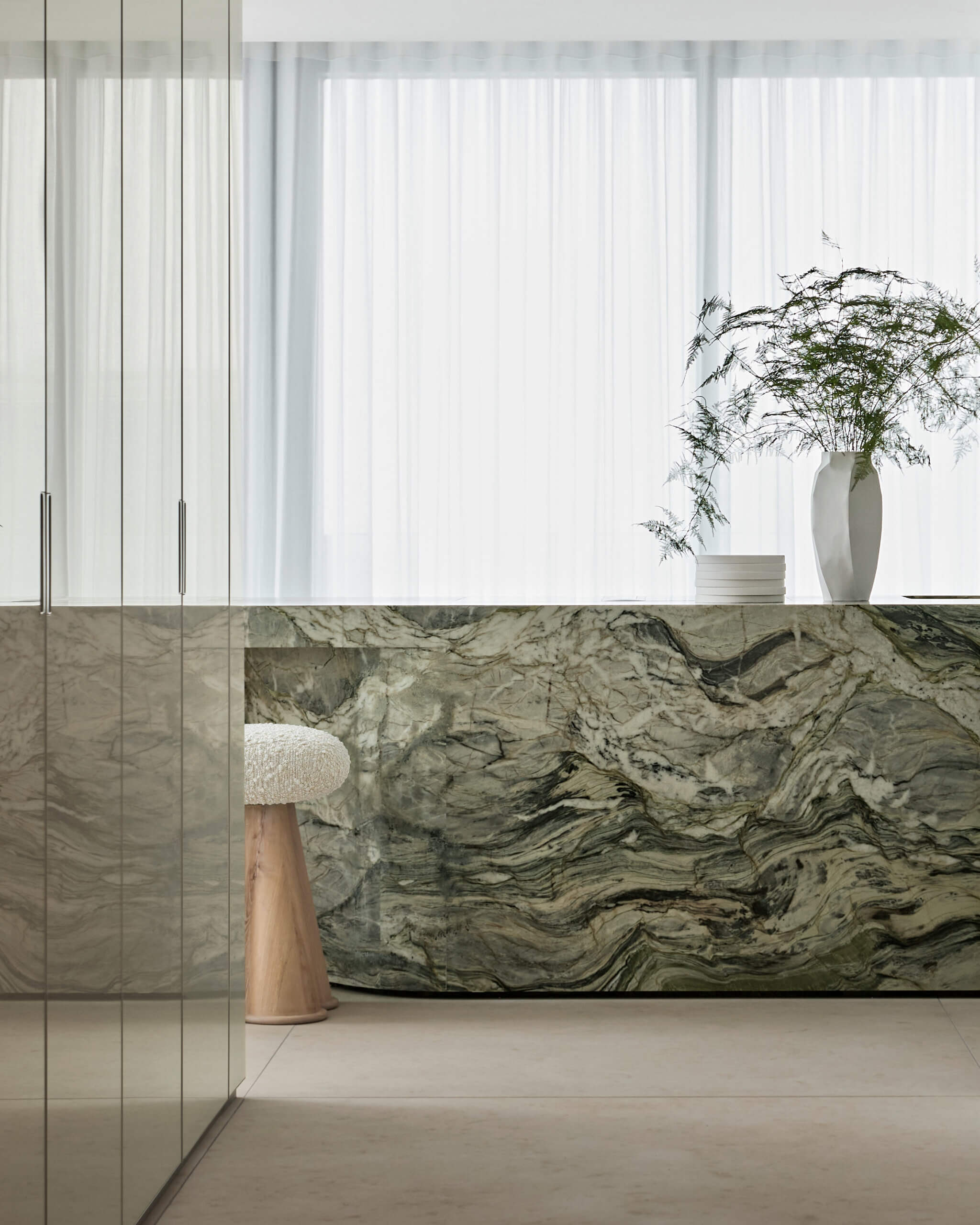
This is what has made stone one of the most iconic materials in the history of architecture and art. From ancient monuments to Renaissance sculptures and contemporary elements, stone has shown a unique ability to transform into form while preserving its authenticity. At the same time, solid carving allows for the creation of a wide range of elements: washbasins, bathtubs, tables, architectural elements or artworks all originate from the same principle, shaping the material through its volume.

Between technology and craftsmanship

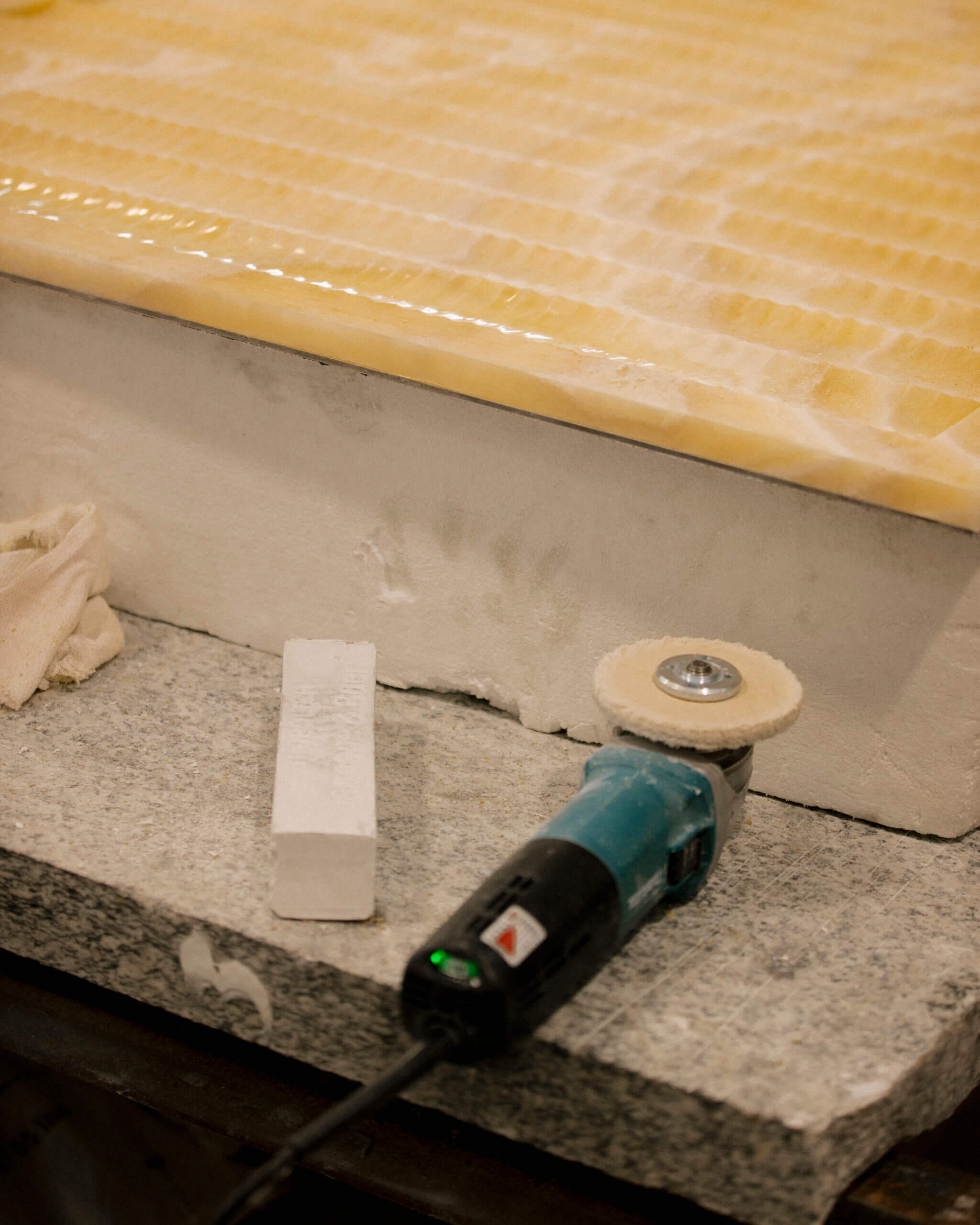
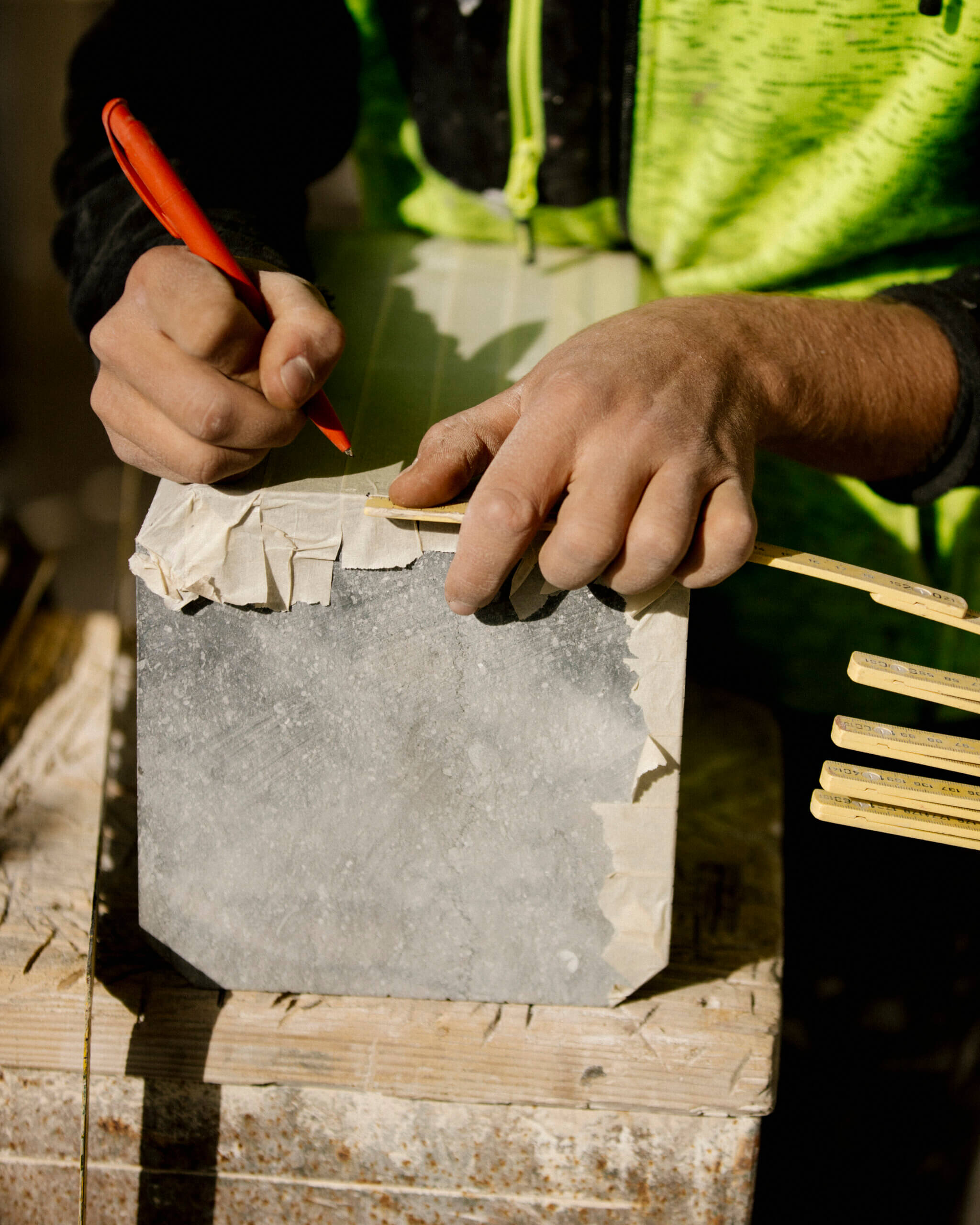
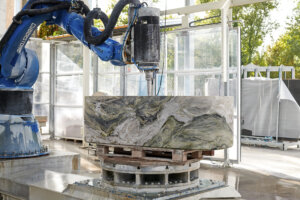
Today, these processes exist in a space where technology and human expertise coexist. 3D modelling allows increasingly precise and complex forms to be designed, while CNC machines and robotic systems translate the project into matter with high accuracy. Even in this context, human input remains essential: experience and sensitivity continue to guide the process. Because it comes from direct transformation of matter, this approach is closely linked to the idea of custom-made design. Each element can be conceived in relation to a specific space, function or concept, resulting in unique objects.

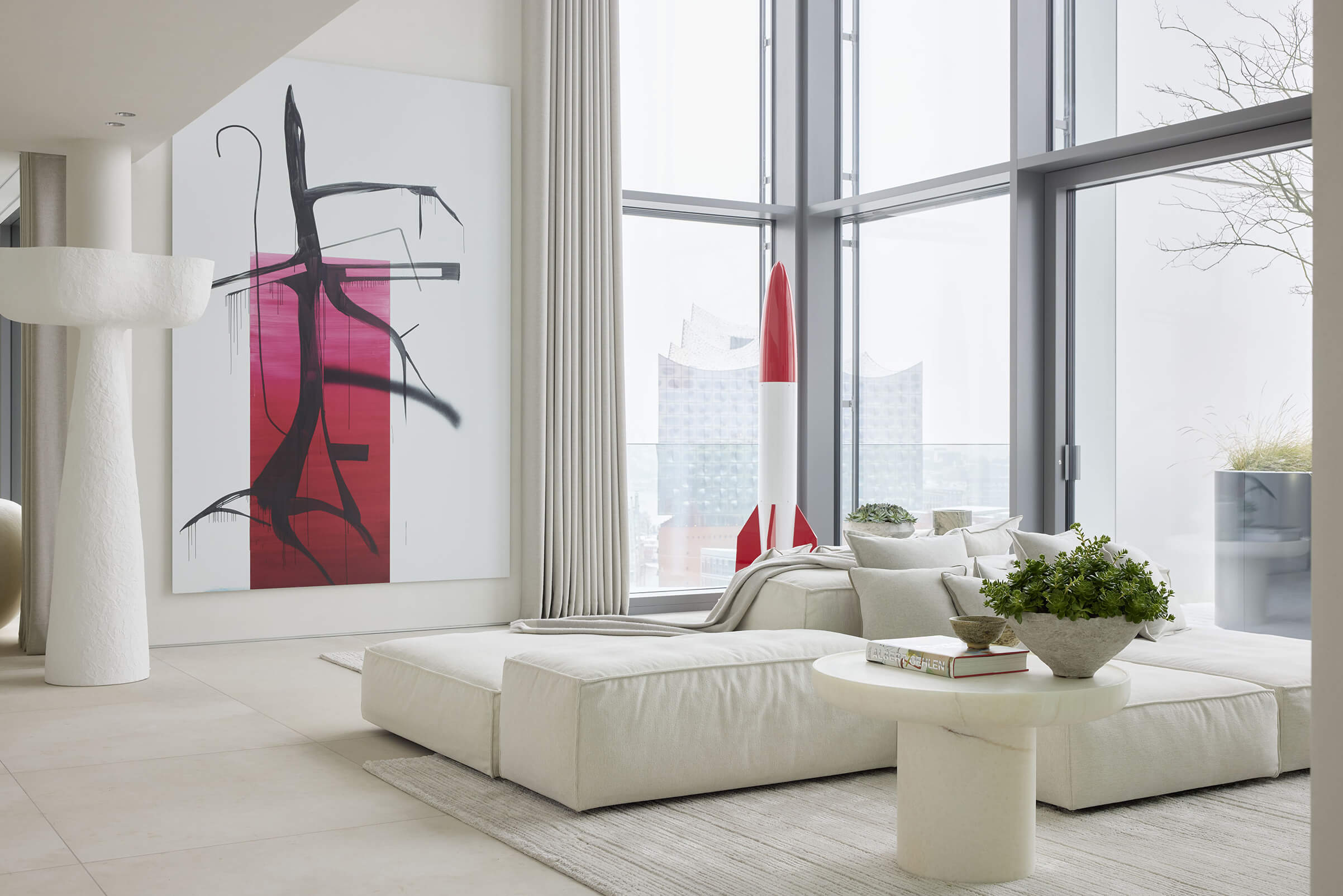
To see how sculptural elements carved from solid stone can define the identity of a space, explore the project The Crown.

Credits: Christoph Philadelphia

Credits: Christoph Philadelphia

When matter becomes form

In this balance between material, technology and human sensitivity, solid carving represents one of the most complete expressions of natural stone. Stone is not a cladding, but the material itself forming the object, with all its depth and authenticity. This is where form and structure coincide, and the project emerges directly from the material.

To discover how some processes approach the tridimensionality of solid carving while working only on the surface, explore the article on special surface finishes in natural stone.