Which is the right stone?

A question that always comes up

When starting a project, it’s one of the first questions that arises: which is the right stone?
A simple question that actually hides a deeper complexity. Unlike many contemporary materials, natural stone is not standardised. There is no single answer that works for every project.

There is no “best” stone

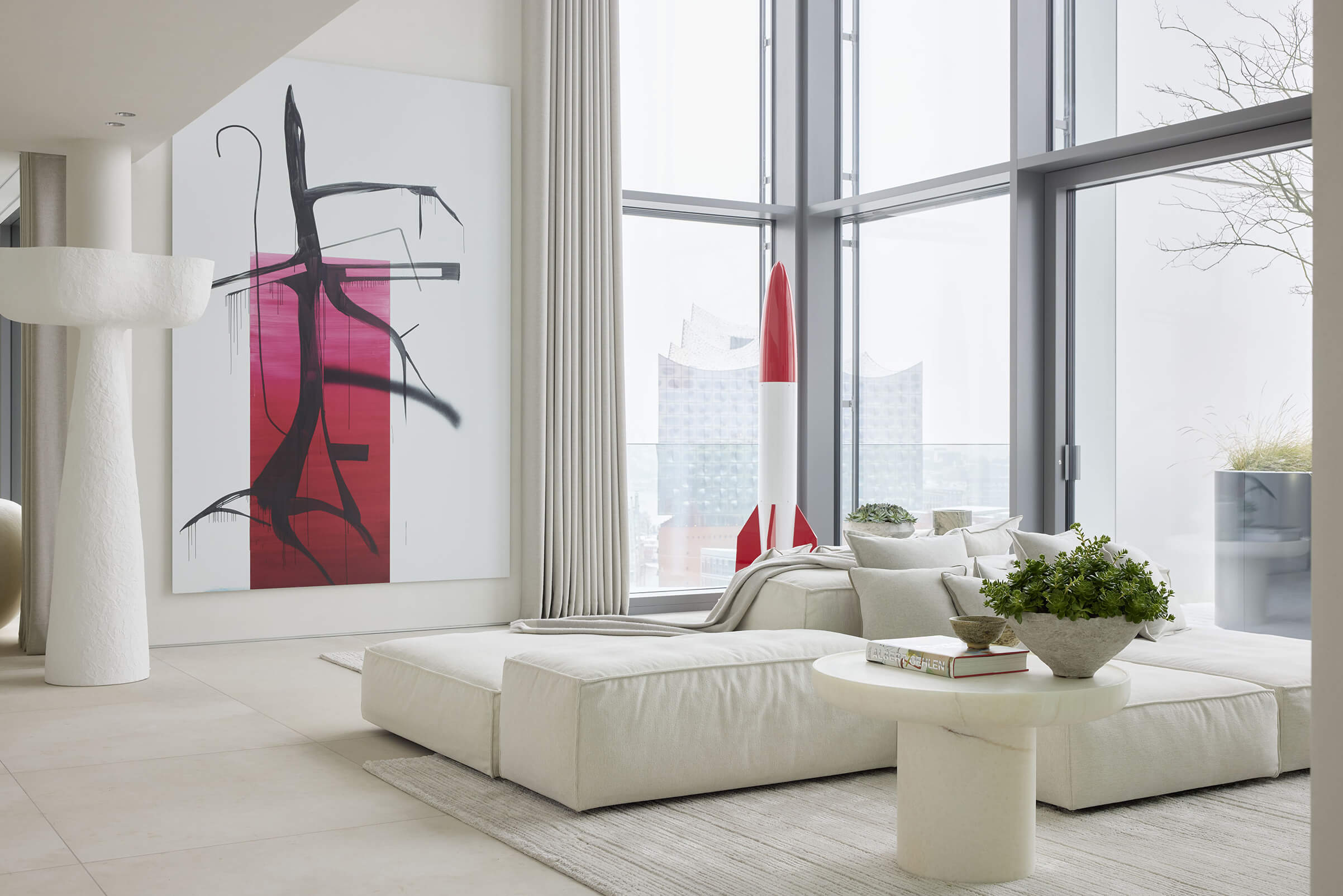
People often look for the “best” stone: the most resistant, the most valuable or the most commonly used. In reality, this is one of the most common misconceptions. Natural stone does not work through absolute rankings. There is no universally right material, but rather a choice that becomes right in relation to the project. A quartzite may be perfect in one context and out of place in another, just as a marble can be delicate in some applications and extraordinary in others.

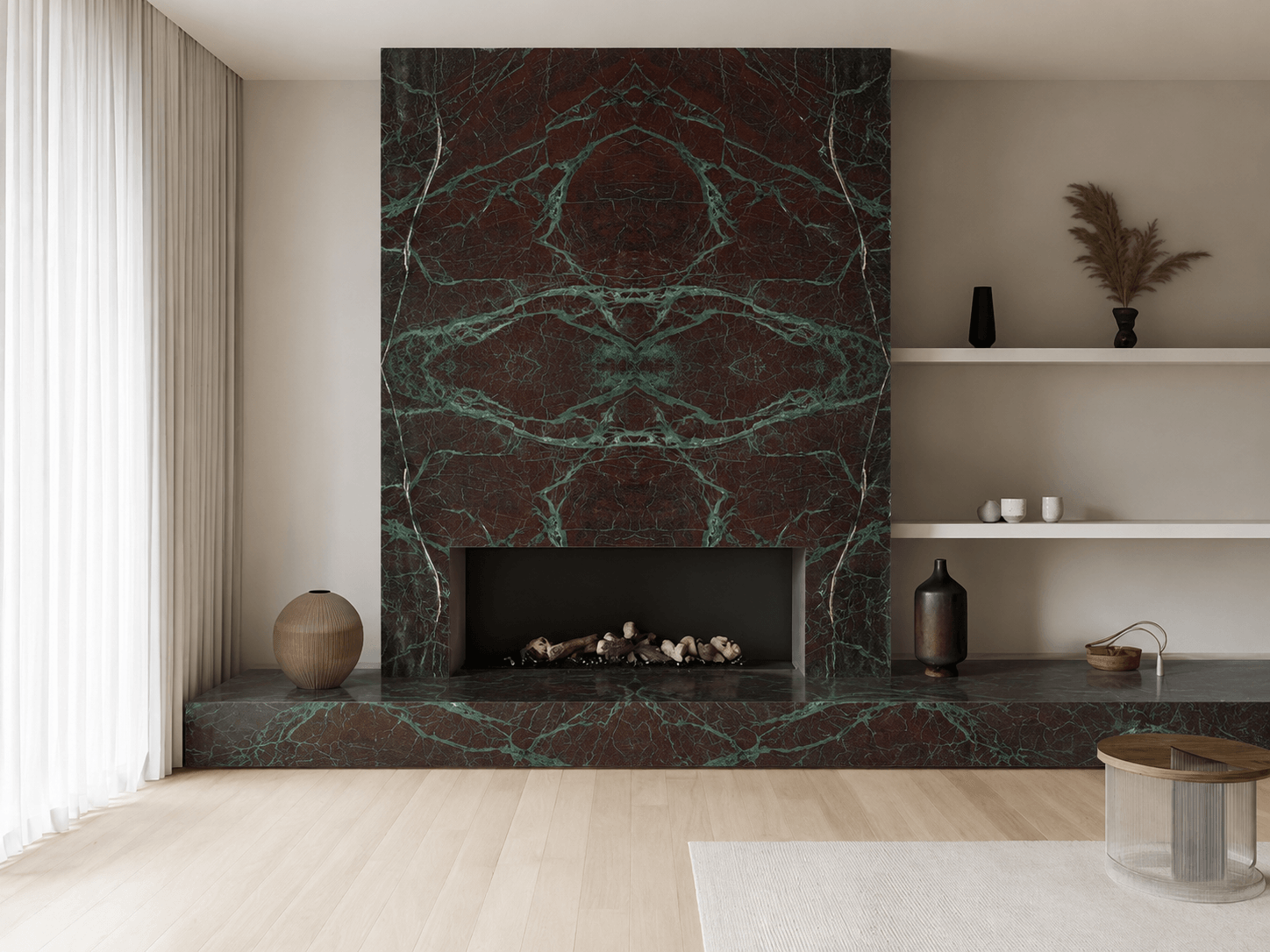
At the same time, reducing the choice to technical aspects alone is limiting. Natural stone is also about perception, atmosphere and its relationship with space: the way it reflects light, the movement of its veining and the depth of its surface all contribute to defining the identity of an environment.

Credits: Matteo Bianchessi

Copyright belongs to the respective authors

A matter of balance

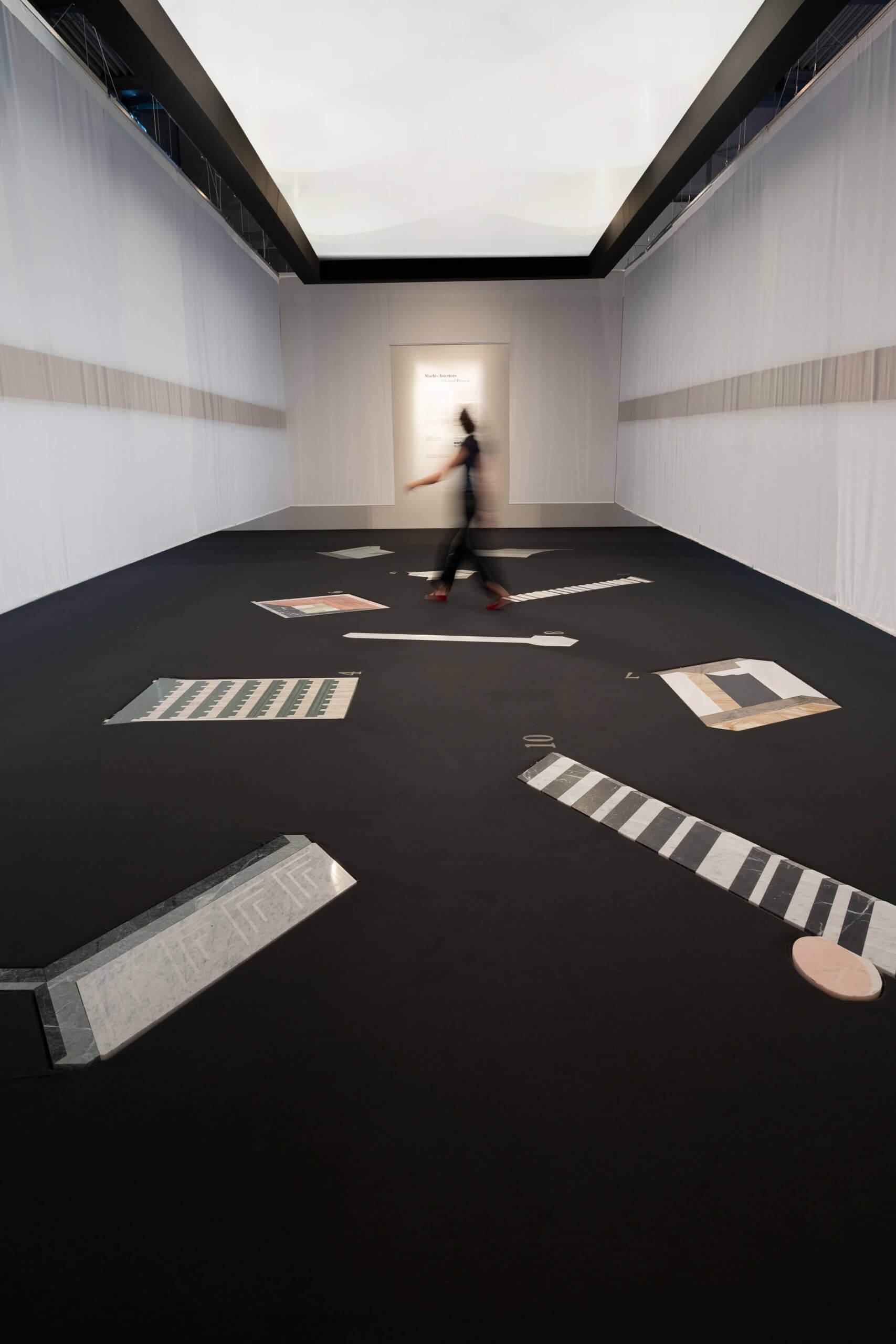
Choosing the right stone means finding a balance between what you like, what you need and what is realistically achievable, between aesthetics, everyday use and budget. It is a process closer to a design decision than a simple product selection. And there is a key aspect: natural stone needs to be seen. Images help, but they cannot replace direct contact with the material. Each slab is different, and each surface reacts uniquely to light.

For this reason, the choice also becomes a moment of discovery a step in which you truly begin to encounter the material.

The right question

Perhaps, then, the initial question needs to be slightly reframed.

Not “which is the right stone?”, but:
which is the stone for this project?

This is where the choice becomes conscious.