Knowing Travertine

Among the most recognizable and widely used natural stones in the history of architecture, travertine holds a unique place. From the structures of ancient Rome to contemporary spaces, this material has crossed time while preserving its identity. Today, travertine returns to the center of design as a surface capable of combining memory and contemporaneity, material and light, technique and perception.

Travertino Rosso Persiano, Travertino Titanium, Travertino Noce, Travertino Classico

Origin and identity of the material

Travertine is a sedimentary rock of chemical–evaporitic origin, formed by the precipitation of calcium carbonate in spring waters near rivers, thermal lakes and hydrothermal environments. This process generates a porous, lightweight and layered stone, recognizable for its natural cavities and warm, tactile texture. The main deposits are located in Italy, Turkey, Iran and Mexico. In Italy, Roman Travertine is an iconic material in architectural history, while international varieties broaden the chromatic range and design possibilities.
Appreciated for its natural feel and visual continuity, travertine plays a leading role in contemporary interior design, especially in spaces seeking authenticity and architectural atmosphere.

Morphological and mineralogical characteristics

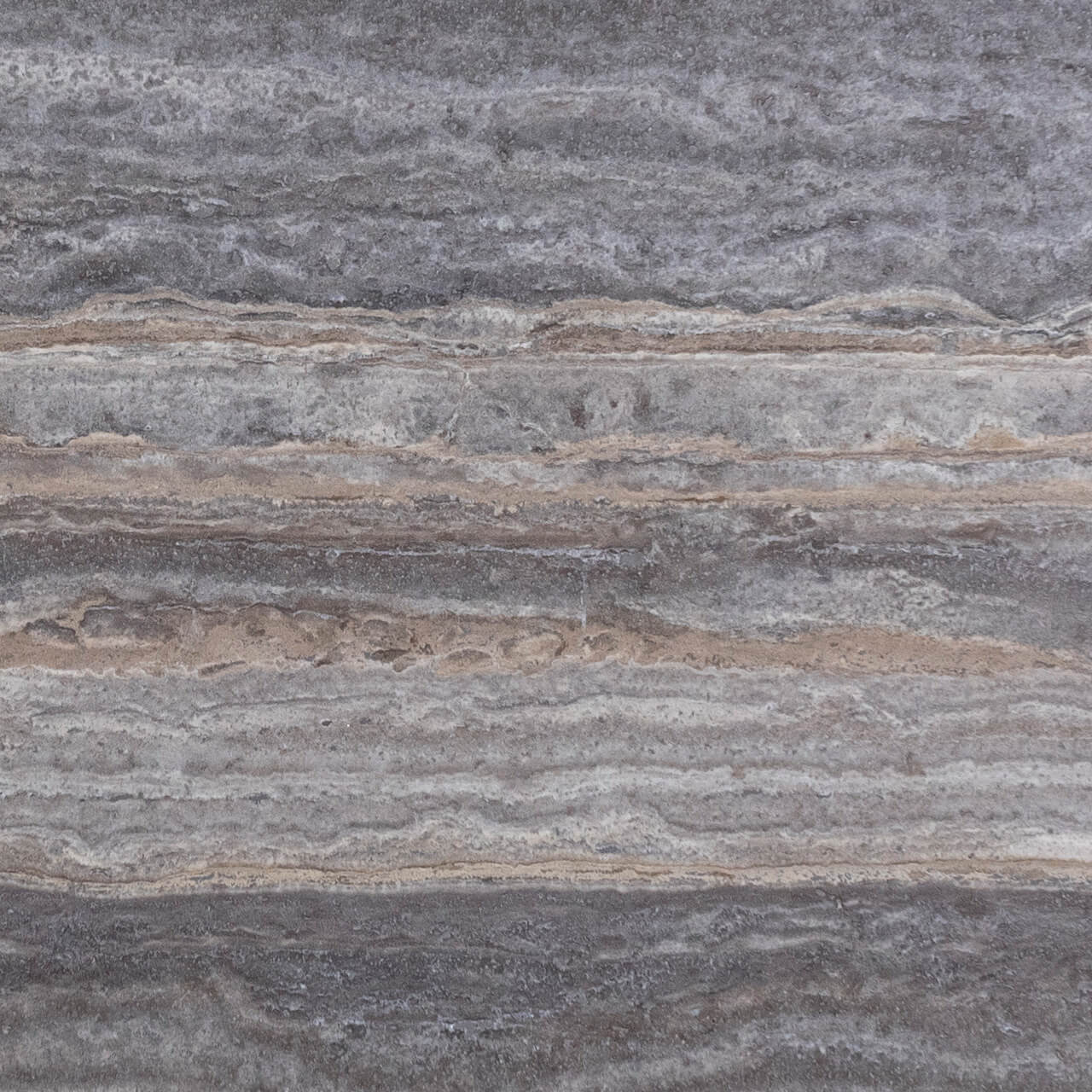
Travertine is composed mainly of calcite and aragonite, with mineral inclusions that affect color and texture. Its structure features natural cavities and voids, inherited from the formation process, which can be left exposed for a more expressive aesthetic or filled to obtain a more uniform and functional surface. Morphology varies significantly depending on the direction of cut, which determines the final appearance of the slab:

  • With vein cut, the stone reveals linear and parallel veining, with a strong architectural character.
  • With cross cut, the result is a cloudy, soft and continuous texture, more homogeneous and diffused.

The chromatic palette spans from ivory and beige tones, to hazelnut, and to deep greys, with variable movements depending on the quarry. The combination of natural stratification and cavities gives travertine a strong material identity, capable of adapting to both classical and contemporary expressive languages.

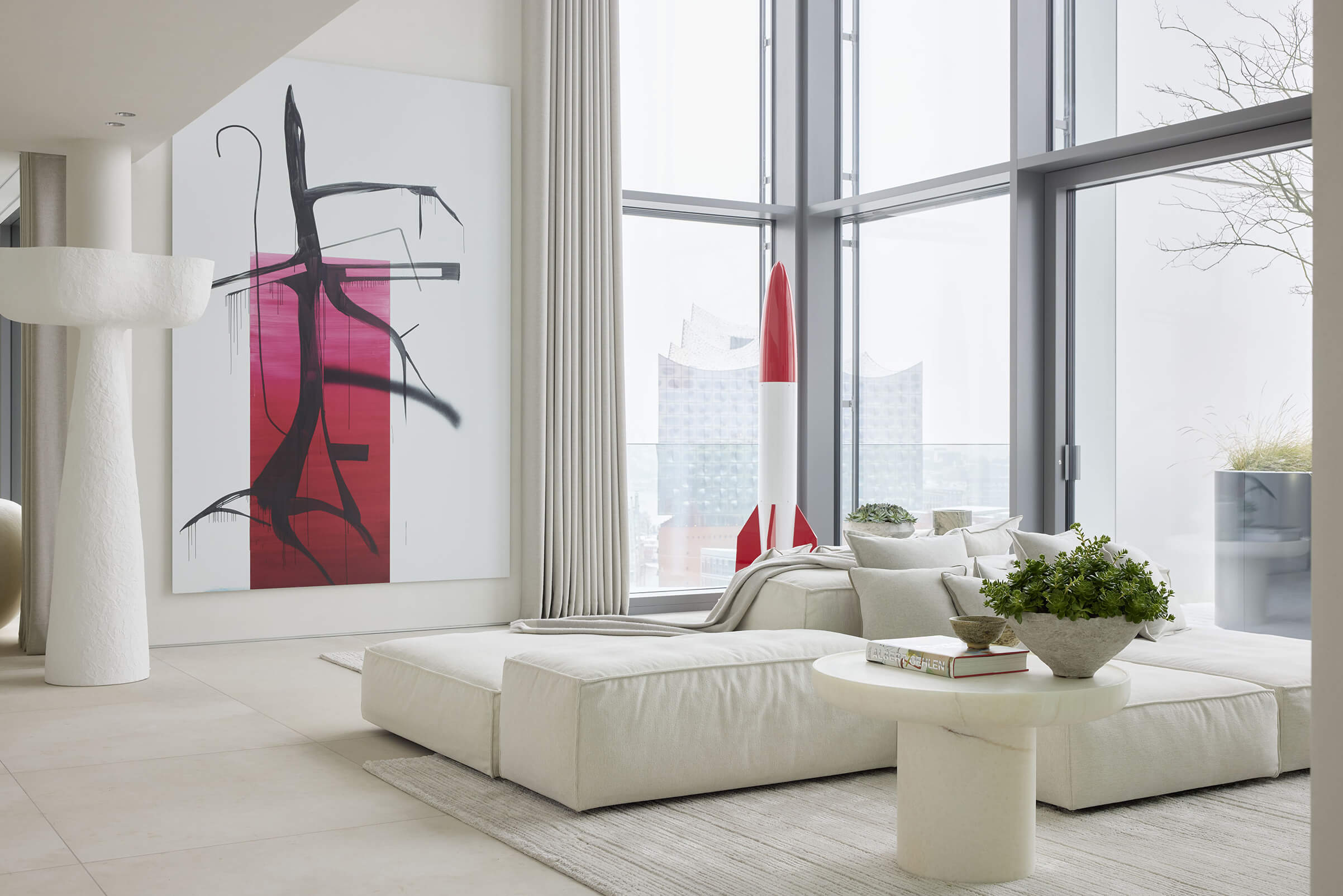
Credits: Christoph Philadelphia / Oliver Jaist

Technical properties and applications

Travertine is a moderately soft stone, with variable porosity depending on the variety and processing. While it does not reach the hardness of granite or quartzite, it ensures good performance in many interior applications. It is particularly suitable for indoor flooring, wall cladding, bathrooms, stairs, indoor facades, and furnishing or decorative elements that enhance its materiality. When properly filled and treated, travertine can also be used for bathroom countertops and horizontal surfaces subject to daily use. Use on kitchen countertops is possible but requires caution: it is important to consider compactness, finish and the quality of the protective treatment applied.
Processing must carefully consider the direction of veining and the presence of cavities, and may include resining, filling, or specific reinforcements to ensure stability and functionality according to the needs of the project.


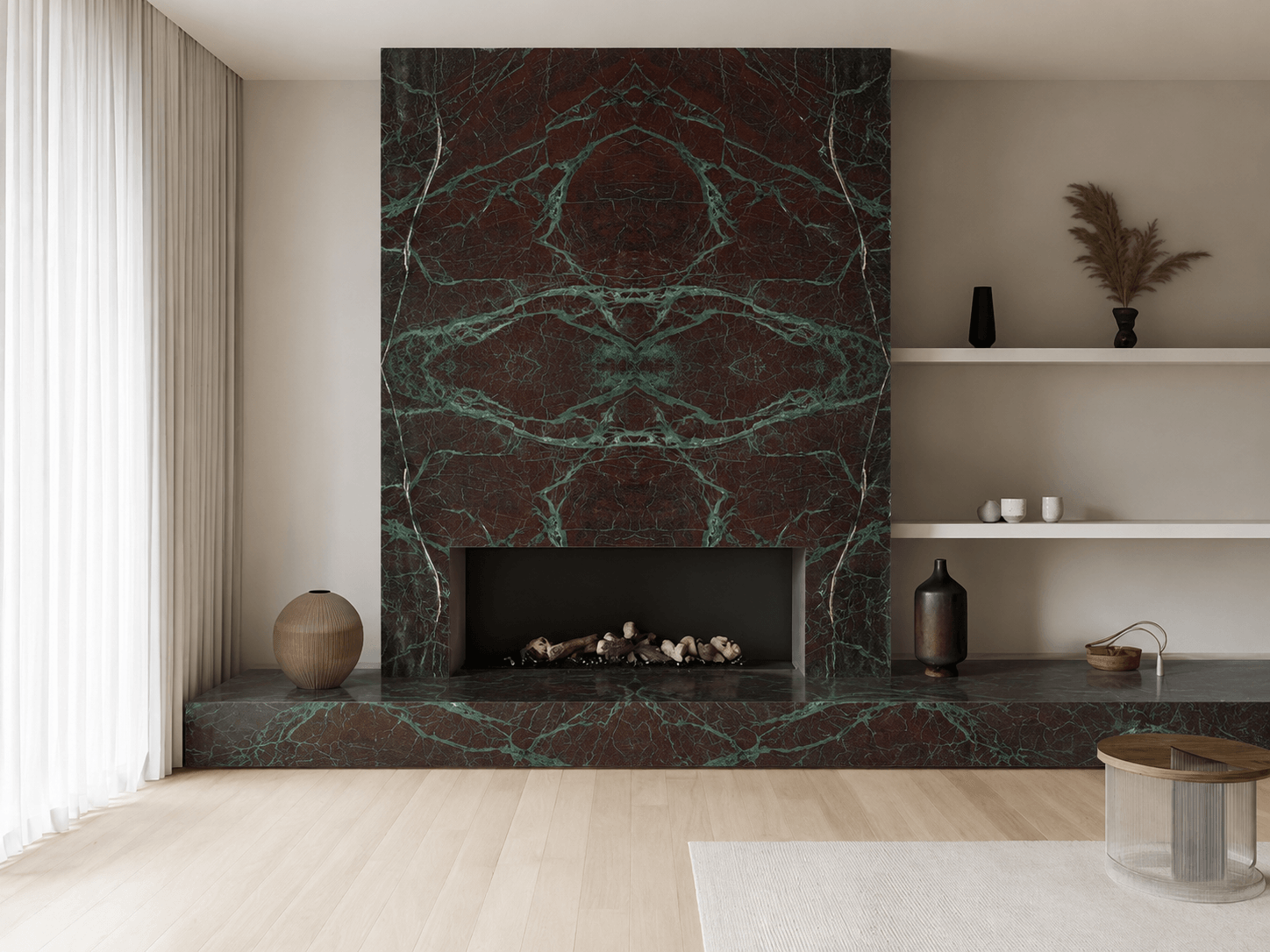
To see how travertine performs in real applications, explore the featured projects: State of the Art, Sands

Maintenance and recommendations

Travertine requires constant and attentive maintenance, especially in the more porous varieties. For daily cleaning, neutral detergents are recommended, avoiding acidic products or limescale removers that may affect the calcareous surface. Quality filling and a hydro-oil-repellent treatment are essential to reduce liquid absorption and simplify maintenance, particularly on high-use surfaces. It is recommended to dry immediately any pigmented or acidic liquids. To deepen care and prevention methods, refer to our guides dedicated to stain removal and natural stone treatments.

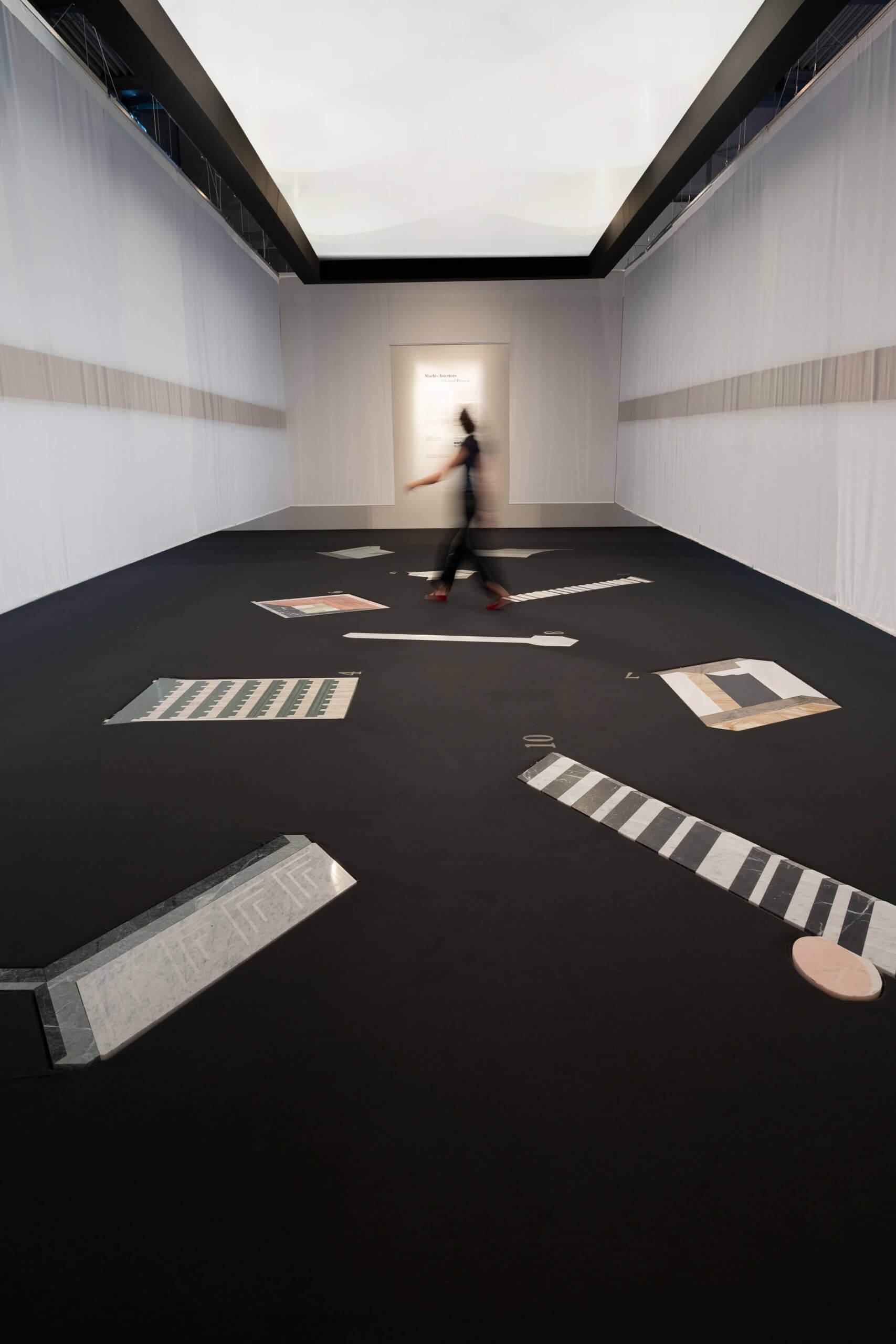
Credits: Matteo Bianchessi

The character of the stone

Travertine is a stone that combines history, materiality and warmth, capable of evoking natural and timeless atmospheres. Its aesthetic, shaped by its formation process, makes it ideal for those seeking an architectural, welcoming and characterful stone. It enhances the project with an authentic and contemporary language, while preserving a deep connection to tradition.