Knowing Limestone

Limestone: contemporary simplicity and natural texture

Limestone is one of the most appreciated calcareous stones in contemporary interior design, valued for its natural simplicity. Formed through a sedimentary process that preserves millions of years of geological history, it offers soft, homogeneous and deeply tactile surfaces. Its understated elegance makes it ideal for projects that seek visual harmony, continuity and an authentically natural aesthetic.

Grigio Olivo, Thala Grey, Avorio San Sebastian, Vratza Grey

Origin and identity of the material

Limestone is a sedimentary calcareous rock formed mainly in shallow marine environments, where organic sediments, minerals and clasts accumulate. It is found in many areas of the world, with important deposits in Europe, the Middle East and North America, each characterized by different tones and structures. It presents itself as a natural, material and essential stone, appreciated by architects and interior designers for its subtle and contemporary aesthetic. Depending on its provenance and composition, limestone can be more compact or more porous, while always retaining a strong material identity.

Morphological and mineralogical characteristics

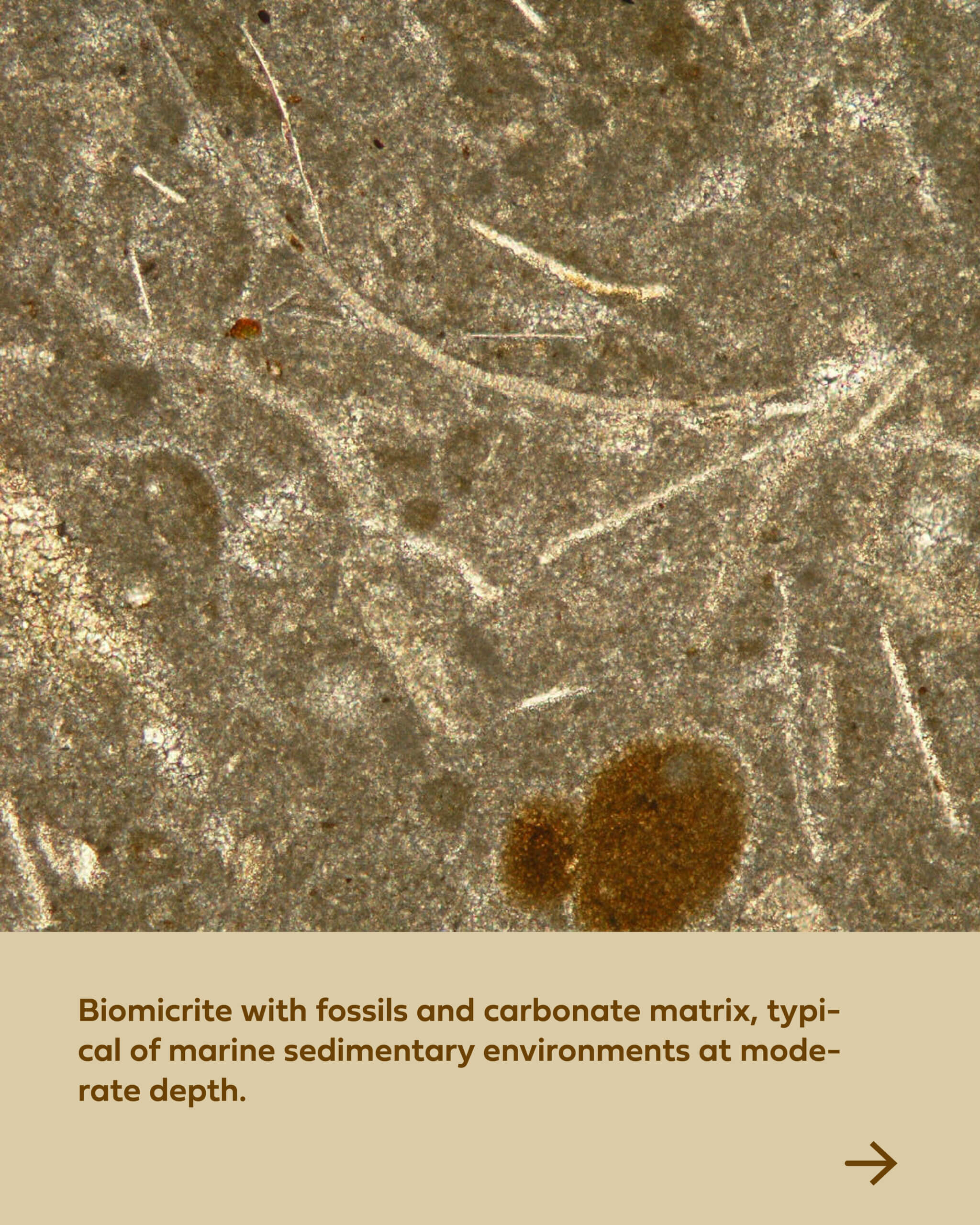
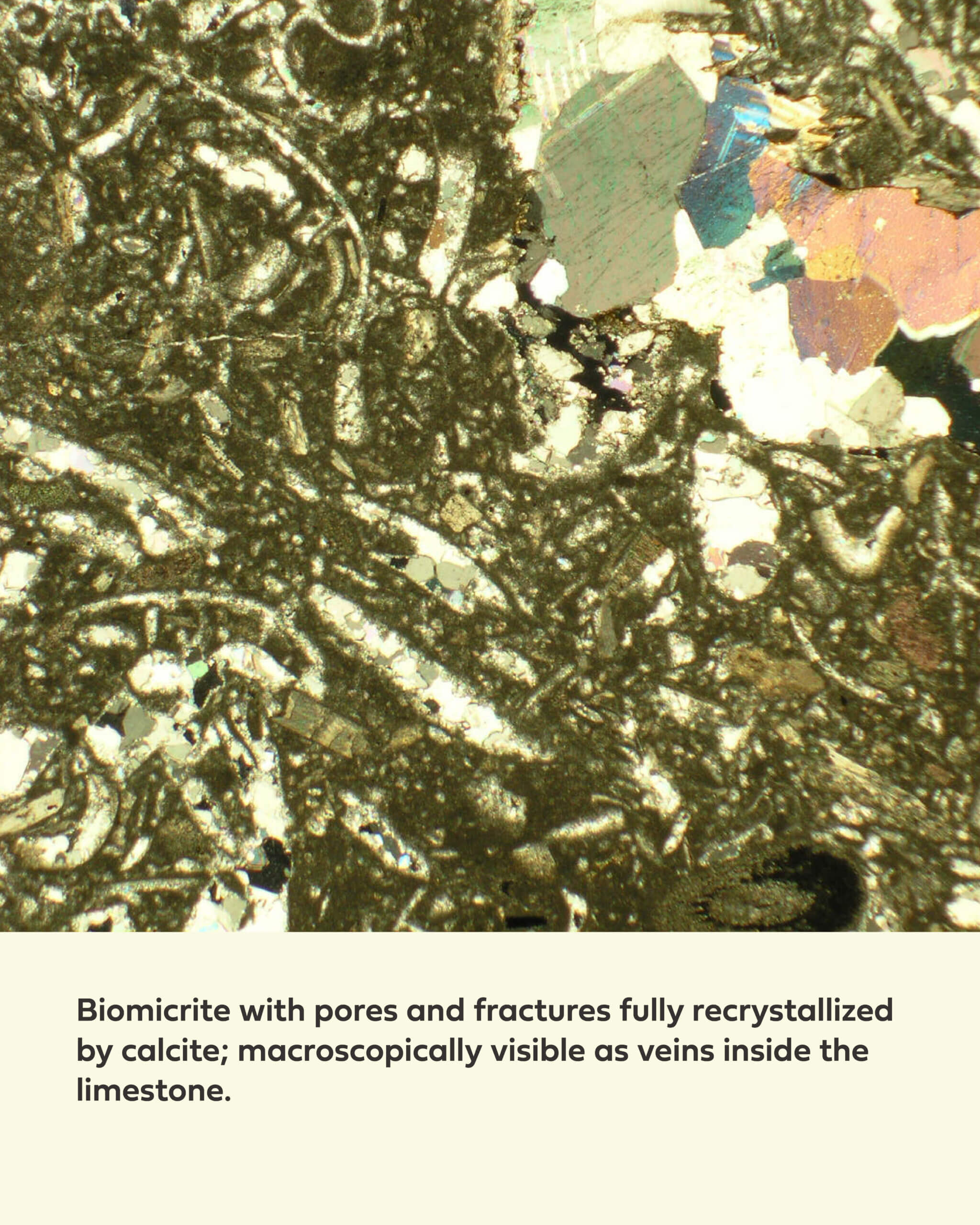
Limestone is composed primarily of calcite, with variable presence of fossils, carbonate grains and clay minerals, which influence its texture and visual character. Its appearance can be very uniform and homogeneous, or more dynamic, with visible fossil inclusions that reveal the stone’s sedimentary origin. The chromatic palette includes whites, ivories, beiges, greys and warm tones, generally characterized by a delicate and continuous texture. Its structure may be more or less compact, depending on the deposit, while some varieties show a slight natural porosity typical of calcareous stones. This visual essentiality makes limestone an extremely versatile material, suited to both minimalist and more material and tactile design contexts.

Source: Pinterest – copyright belongs to the respective authors.

Technical properties and applications

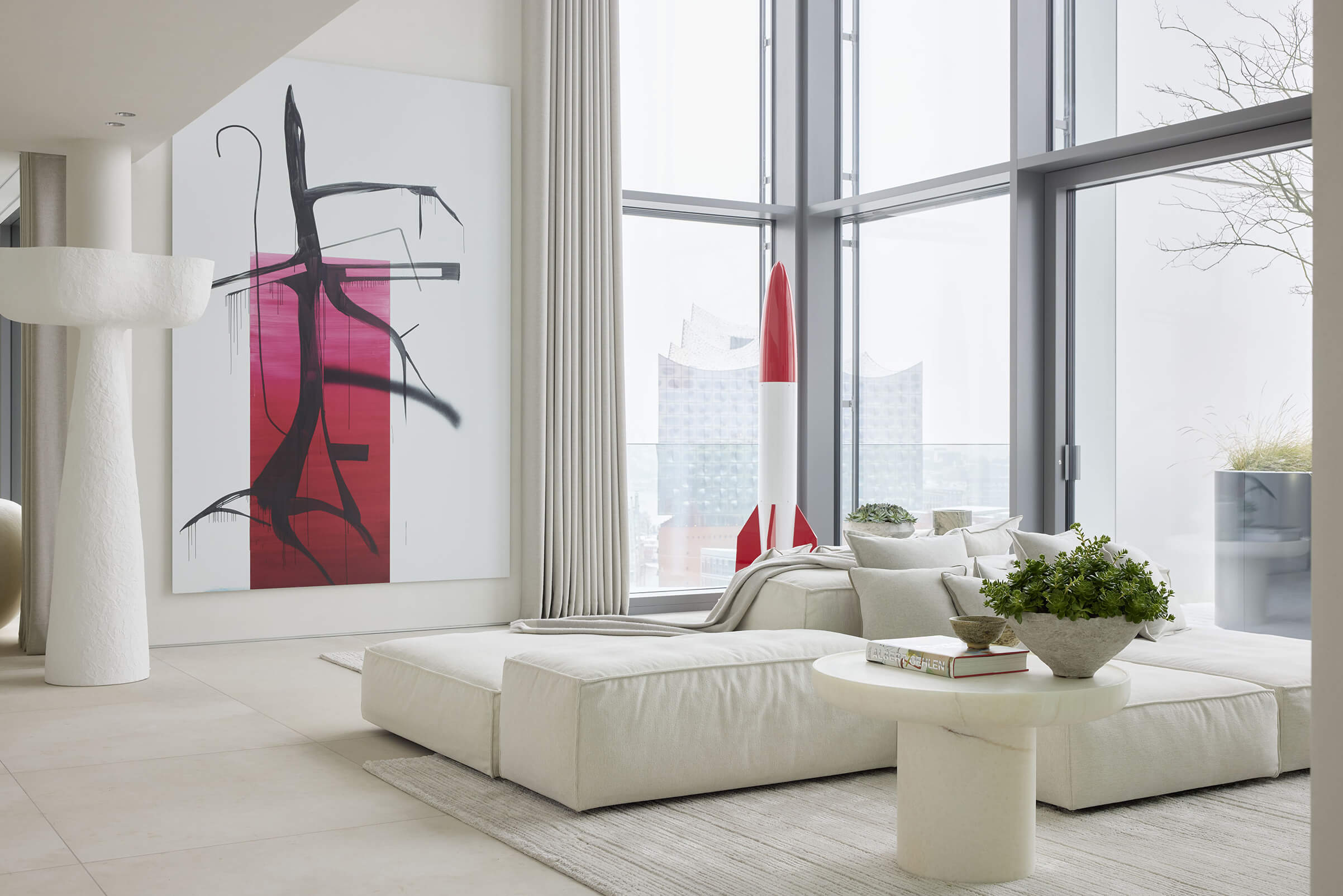
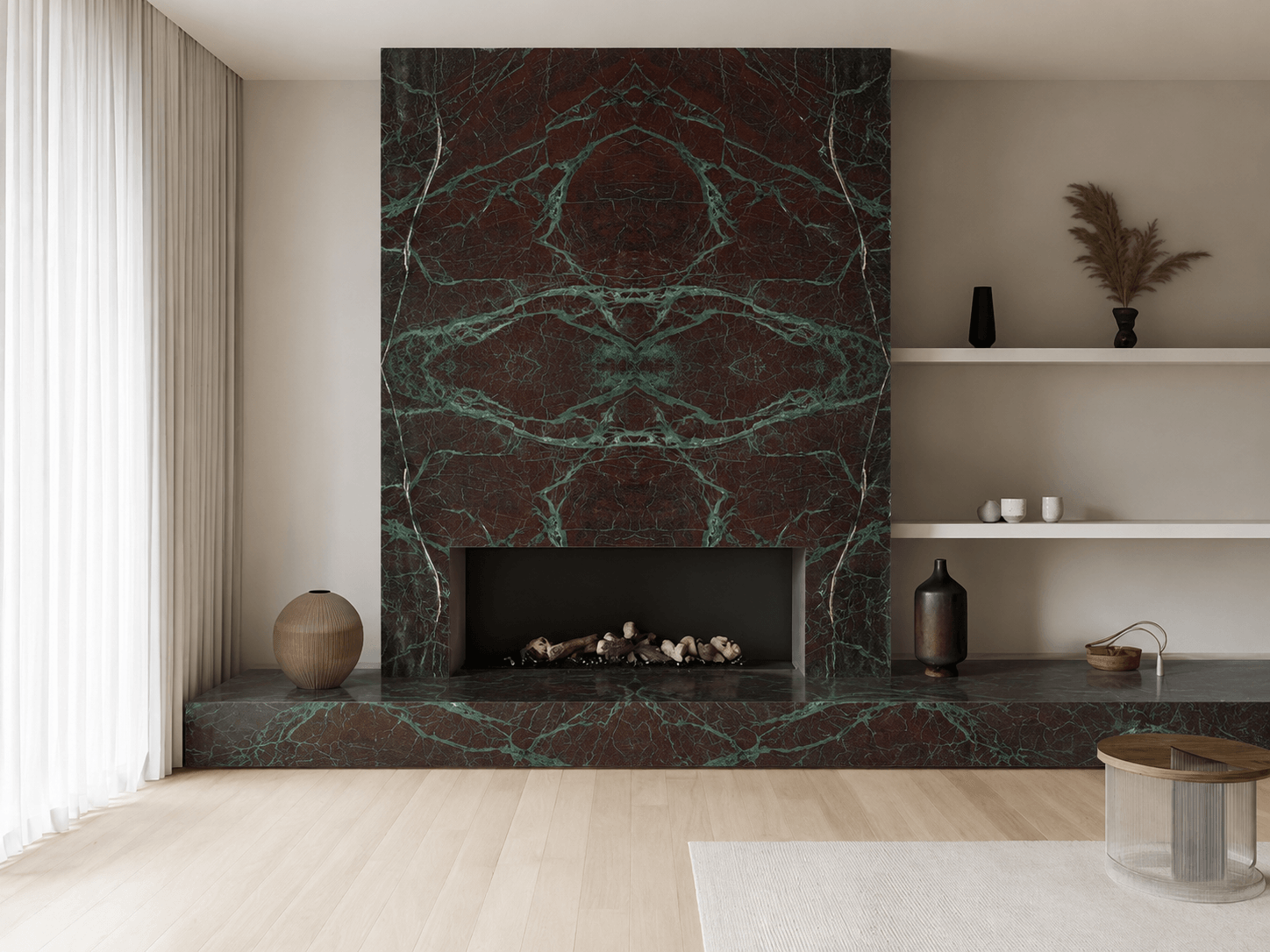
Limestone is a relatively soft stone and shows a natural sensitivity to acids, typical of calcareous materials. This does not limit its use, but requires a correct evaluation of the application context, with particular attention to finishes and protective treatments. Its uniform aesthetic and soft tactile feel make it especially suitable for indoor flooring, wall cladding, stairs, bathrooms, and architectural applications that emphasize natural and material surfaces. More compact varieties, when properly treated, can also be used in contract environments, enhancing the visual continuity of the stone. Use on kitchen countertops is not recommended, as limestone is sensitive to acidic and pigmented substances. In all other interior applications, limestone represents a balanced and contemporary solution, capable of expressing a subtle and refined aesthetic language.

Maintenance and recommendations

Limestone requires careful and conscious maintenance, consistent with its calcareous nature. For daily cleaning, neutral detergents and soft cloths are always recommended, avoiding acids, limescale removers and abrasive products that could damage the surface.
A high-quality hydro-oil-repellent treatment is essential to reduce absorption and preserve the authentic appearance of the stone. In humid spaces or areas exposed to intense use, it is advisable to periodically assess the effectiveness of the protective treatment and renew it if necessary. For more detailed information, refer to our guides dedicated to natural-stone tratments and stain removal.

The character of the stone

Limestone speaks a discreet and architectural language. Its natural and uniform aesthetic makes it ideal for those seeking coherent, material and understated surfaces, capable of creating warm and contemporary spaces. It is a material that brings with it an ancient geological narrative, translated into an essential and elegant design language.