5 myths about natural stone

Natural stone is often surrounded by misconceptions

While admired for its timeless charm, it is still frequently seen as fragile, hard to maintain, or unsuitable for everyday life. These beliefs—often unfounded—can discourage architects and clients from choosing one of the most versatile and sustainable materials in interior design.

In this article, we tackle 5 of the most common myths, offering a clearer and more informed view of natural stone.

“Natural stone stains easily”

This is a common fear, but it’s based on a generalized and inaccurate idea. Natural stone is not a single material—it’s a vast family of stones with very different characteristics.

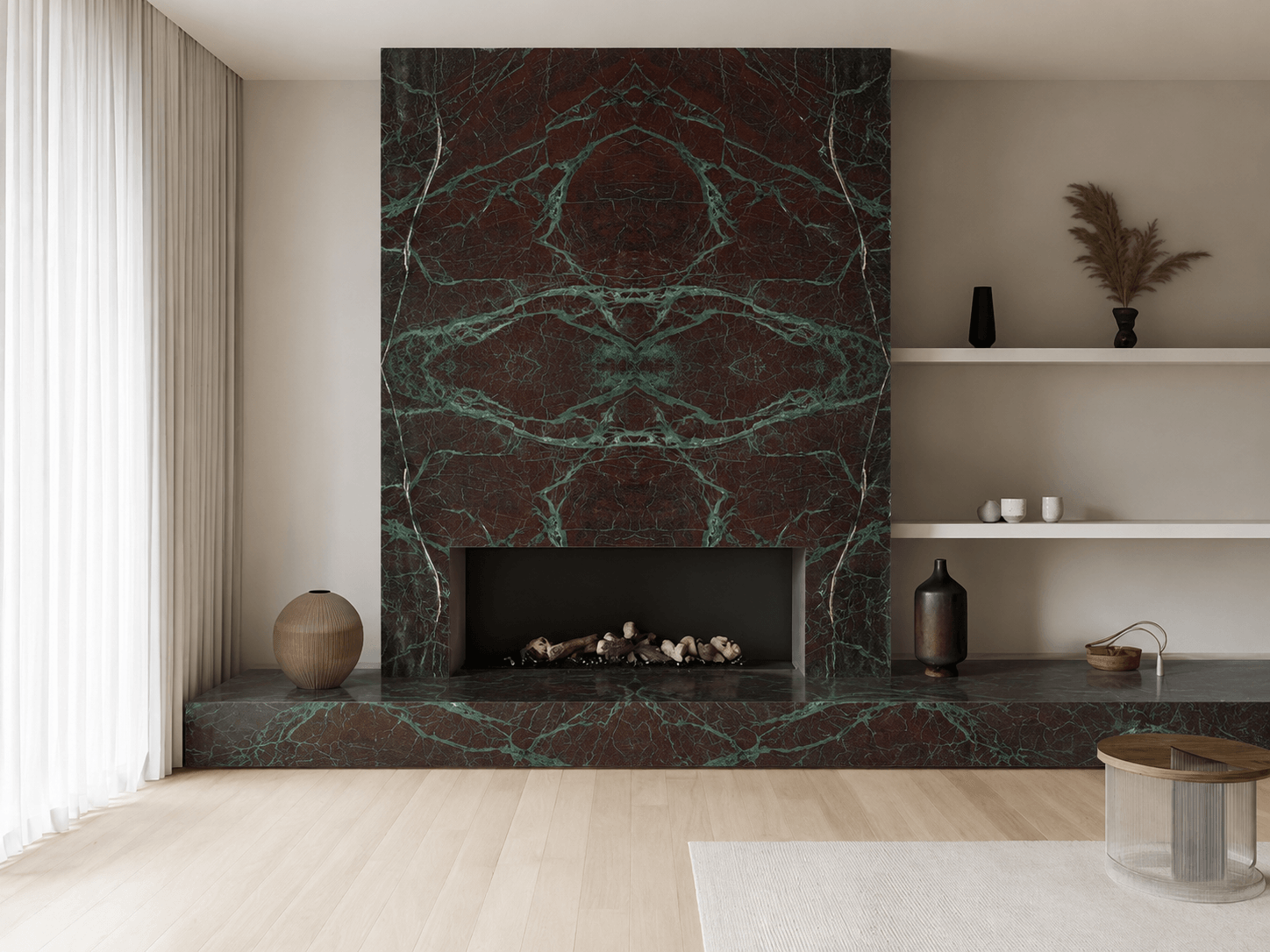
Quartzites, granites, dolomites and some compact limestones are naturally very resistant to absorption, acids and staining. Even more delicate stones can be treated with specific products to minimize maintenance.

“It’s too fragile for daily use”

Some stones are very hard, others more tender. Some tolerate heavy wear, others need more care. It’s not about luck, it’s about informed selection and proper advice.

Most stones can be used in high-traffic environments when selected and processed in line with their intended use. The problem isn’t the stone—it’s often the initial evaluation.

Credits: Lina Adi

Credits: Oliver Jaist

“It feels cold and distant”

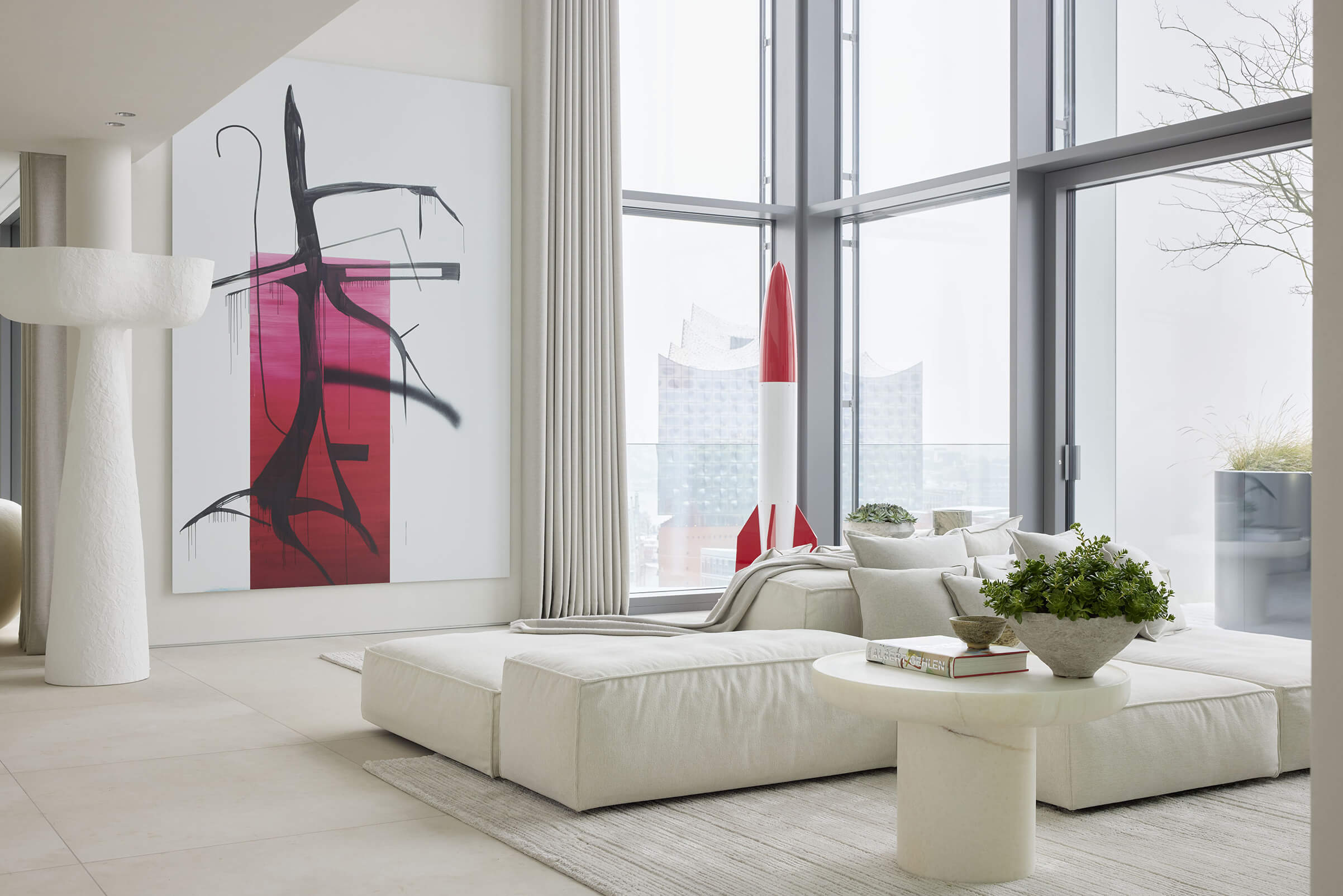
That impression belongs to an outdated imagery. In reality, stone is a deeply sensory material. With the right design and material mix, it creates warm, welcoming and intimate environments.

“It’s too expensive”

There are stones for all budgets, and many are competitive with other premium materials. Stone lasts over time, doesn’t warp or discolor, and requires fewer replacements.

It’s a functional and aesthetic investment that increases the value of the space.

“It’s hard to maintain”

Natural stone isn’t difficult—it’s just different. Like any authentic material, it needs a bit more care, but nothing complicated.

Most problems arise from improper use or lack of information—for example, using harsh cleaners instead of pH-neutral products. With good initial advice and a few best practices, stone is easy to manage. And it lasts.

Don’t choose stone just for looks or price. Choose it for its technical truth—and for the project you want to build.

Credits: Matteo Bianchessi