Knowing Dolomite

Dolomite is a natural stone that has gained an increasingly central role in contemporary interior design in recent years. Appreciated for its balance between aesthetics, technical performance and versatility of application, it represents a valid alternative to traditional marbles for those seeking elegant yet reliable surfaces over time. Understanding dolomite means discovering a material capable of combining geological identity, a modern language and concrete design requirements.

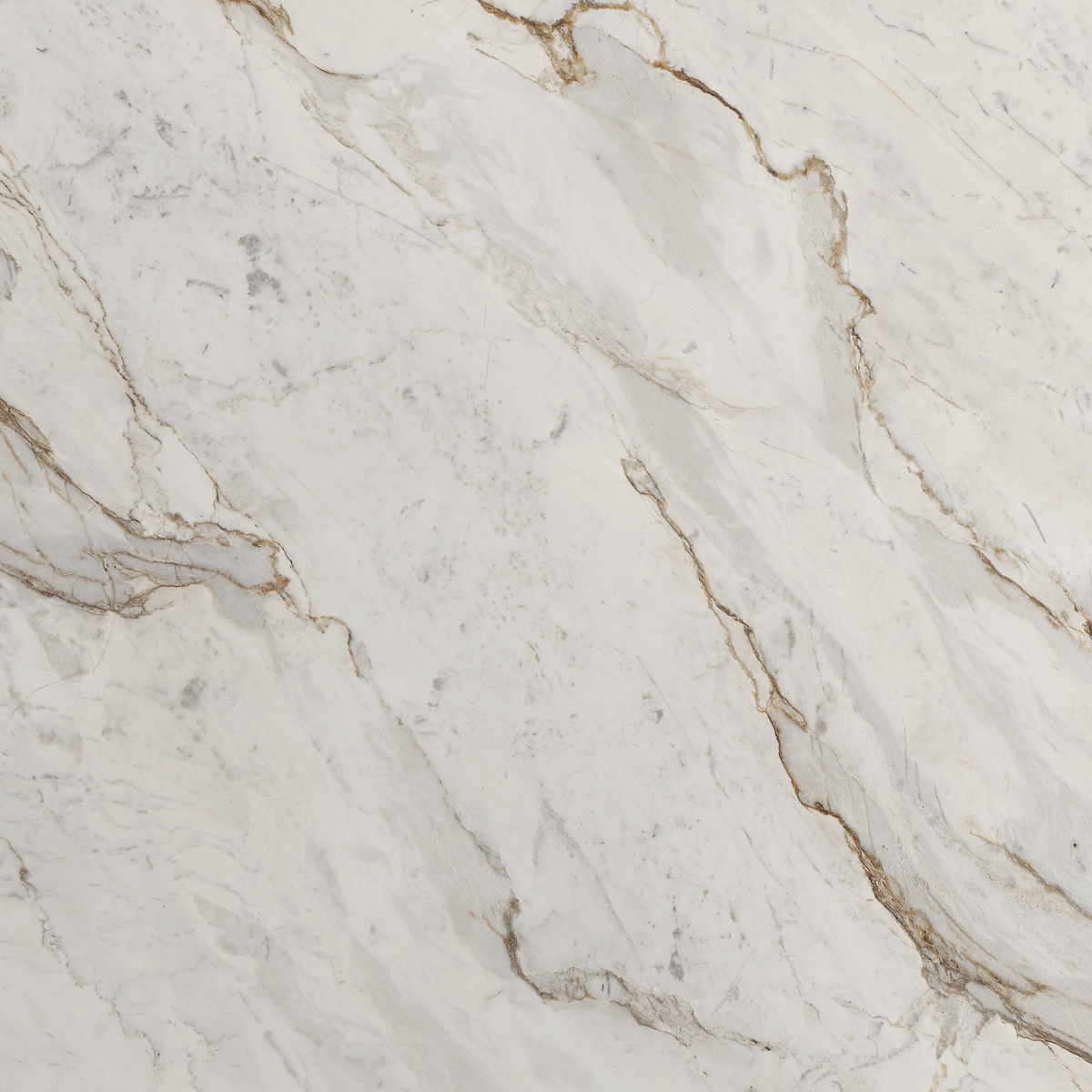
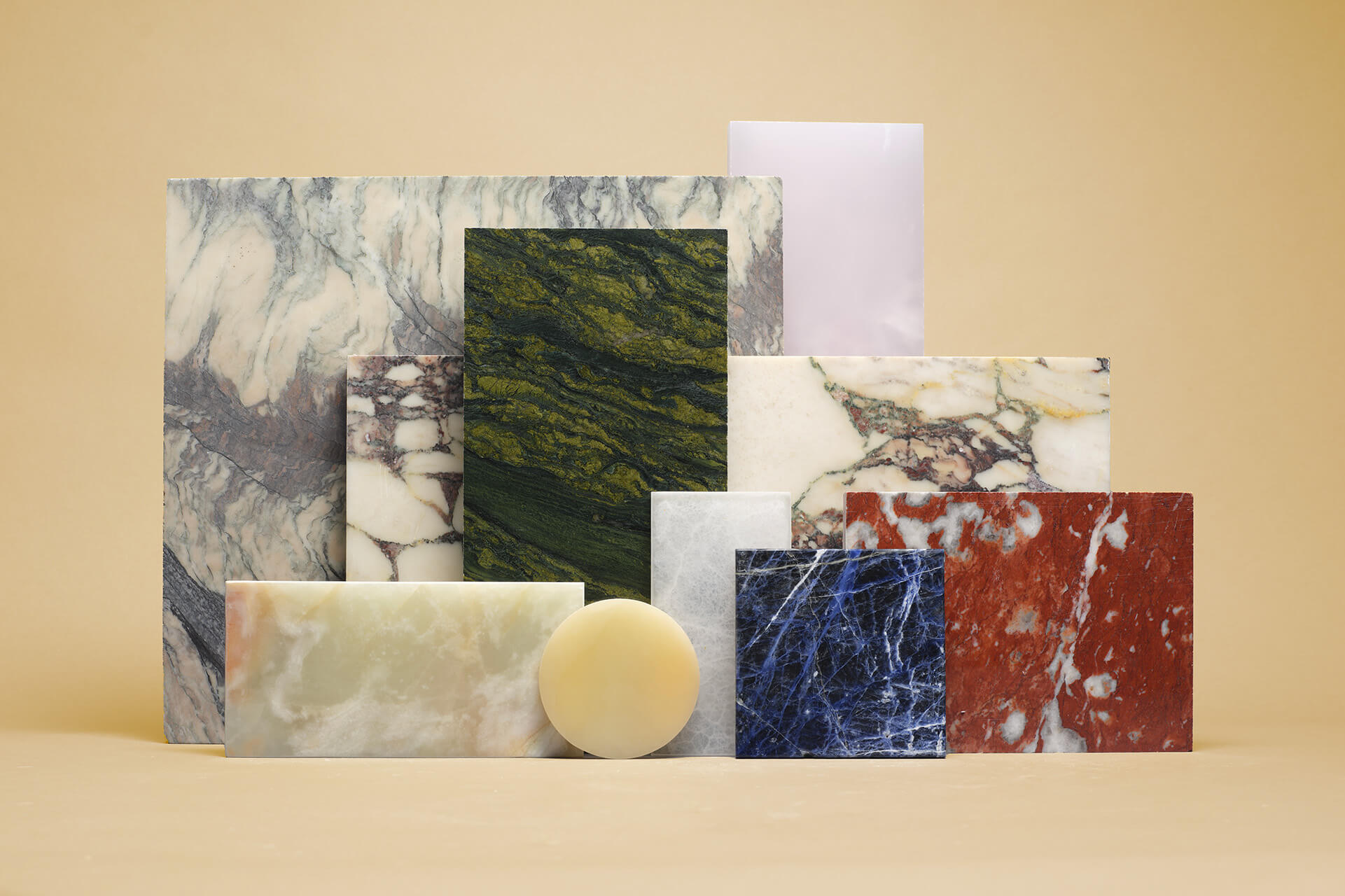
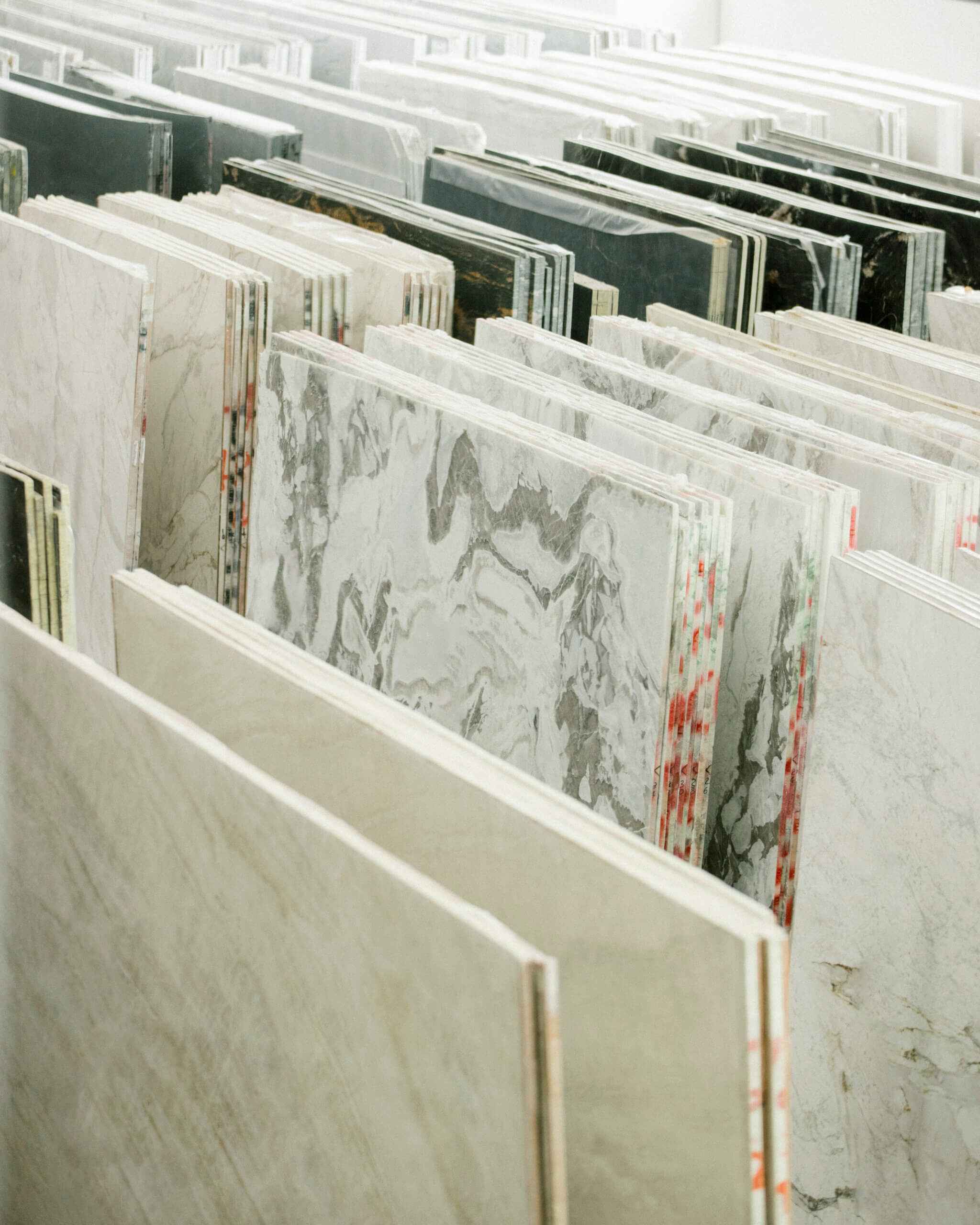
Black Chasm, Napoleon Bordeaux, Boulder Grey, Nuvolato Calacatta

Origin and identity of the material

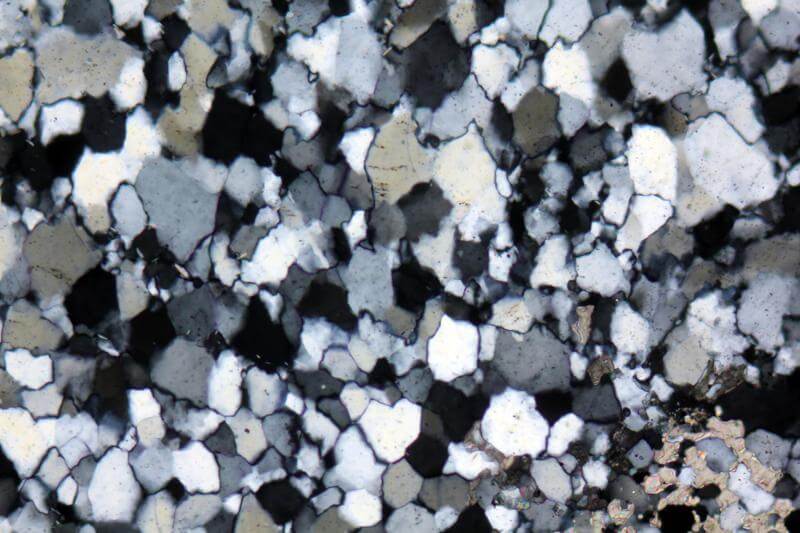
Dolomite is a sedimentary or metamorphic rock composed predominantly of the mineral of the same name, formed through dolomitization processes that transform ancient limestone deposits in contact with magnesium-rich fluids. The main extraction areas include Brazil, Italy, Turkey and North America, with varieties distinguished by compactness, color and structure. Increasingly appreciated in interior design, dolomite combines aesthetic homogeneity and good resistance, positioning itself as a particularly interesting choice in contemporary projects.

Morphological and mineralogical characteristics

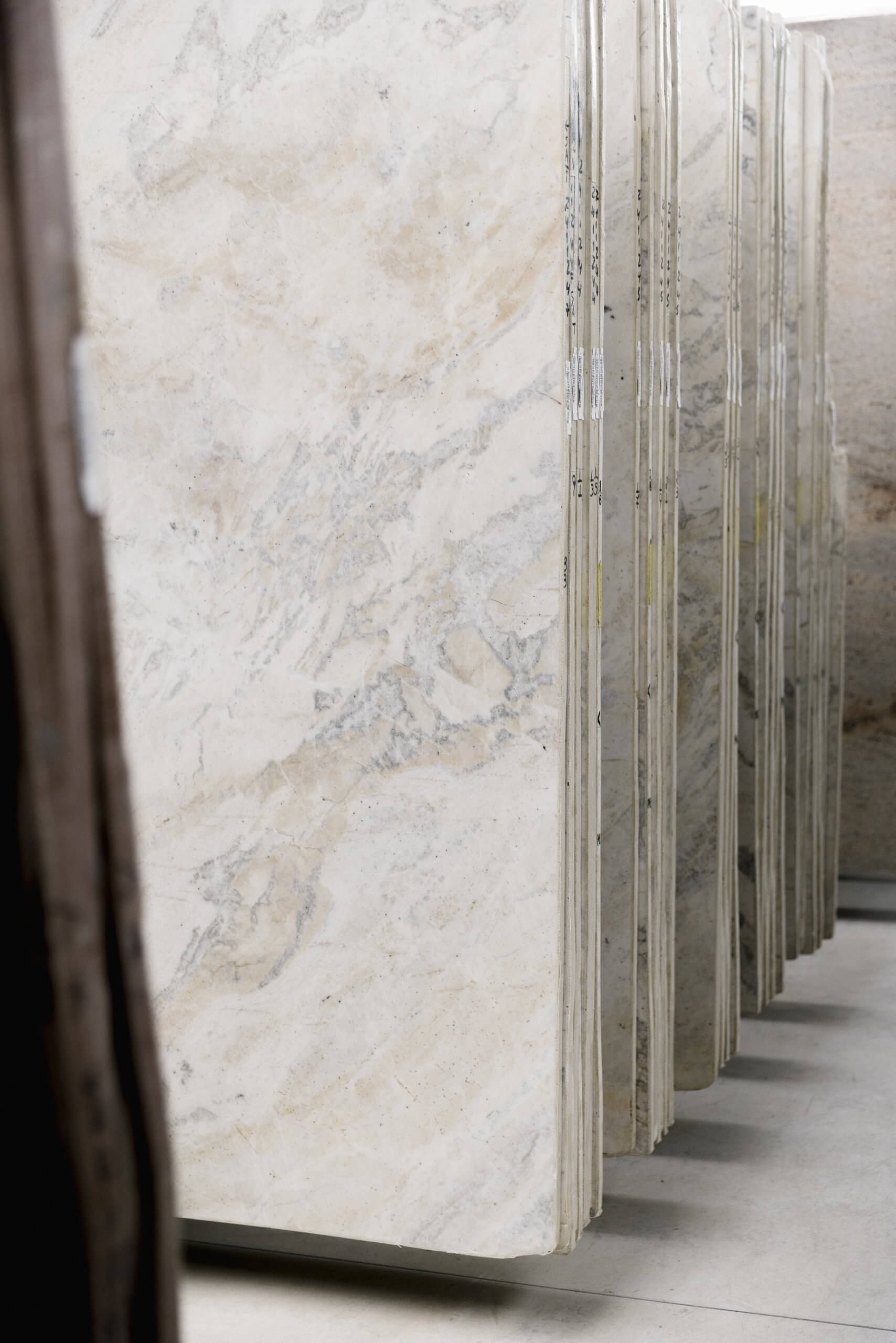
Mineralogically, dolomite is composed of CaMg(CO), a structure that gives it greater hardness and stability compared to calcitic marbles. Its texture can be fine and uniform, with soft and diffuse veining, but there are also varieties with more structured and pronounced patterns, capable of expressing a modern and distinctive aesthetic.
The chromatic range is surprisingly broad: in addition to classic whites, greys and ivories, there are intense and colorful dolomites, ranging from the bordeaux tones of Napoleon Bordeaux to the deep greys of Boulder Grey. These aesthetic characteristics define the personality of our exclusive dolomites, showing how this stone can combine contemporary elegance and material identity, offering homogeneous yet never ordinary solutions.

Credits: Lina Adi

Technical properties and applications

Dolomite offers a very interesting technical balance: it is more resistant than traditional marble, reacts better to mild acids, and generally has a more compact structure. It does not reach the hardness of granite or quartzite, but belongs to a category that combines good durability, ease of processing and an aesthetic perfectly aligned with contemporary design languages.
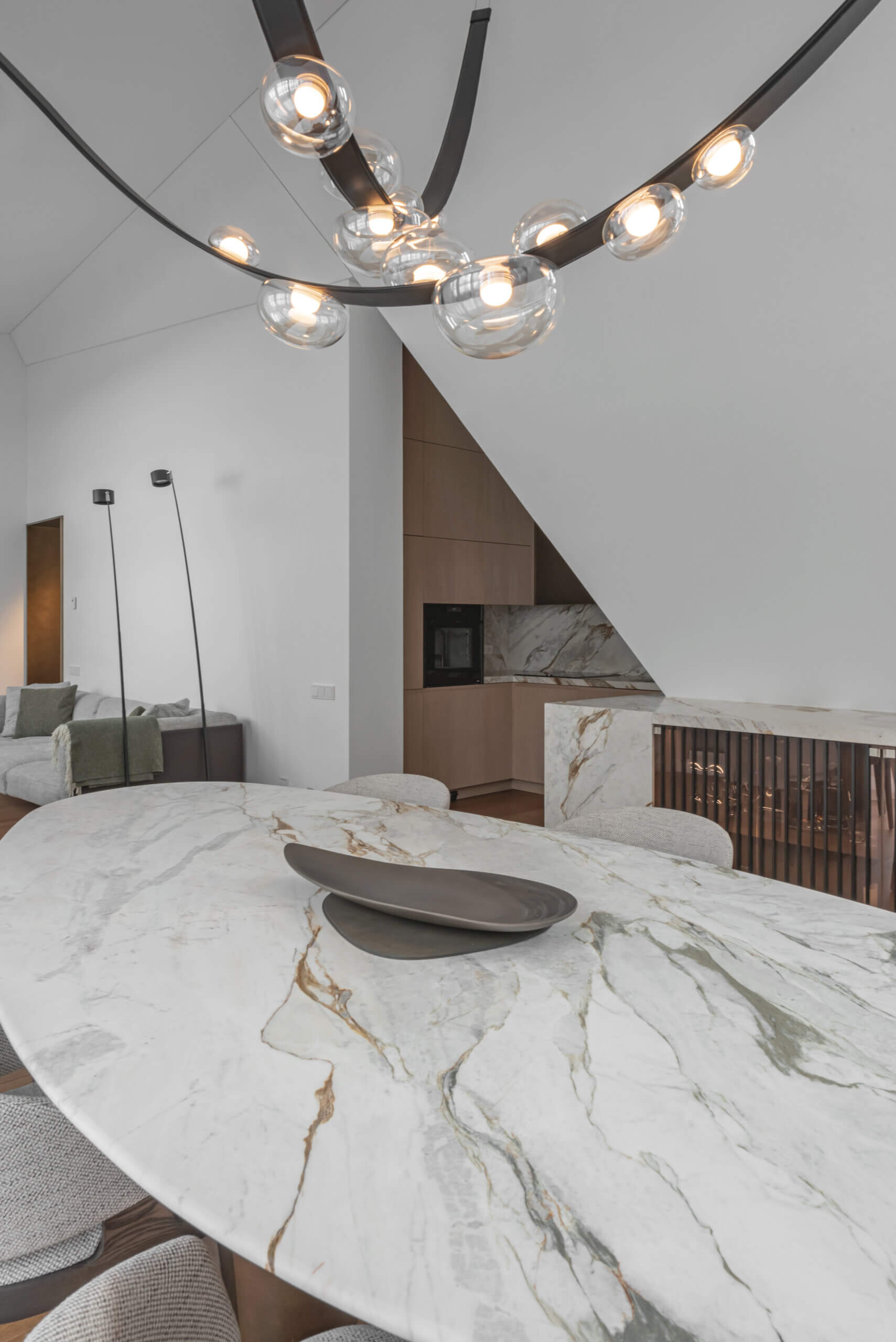
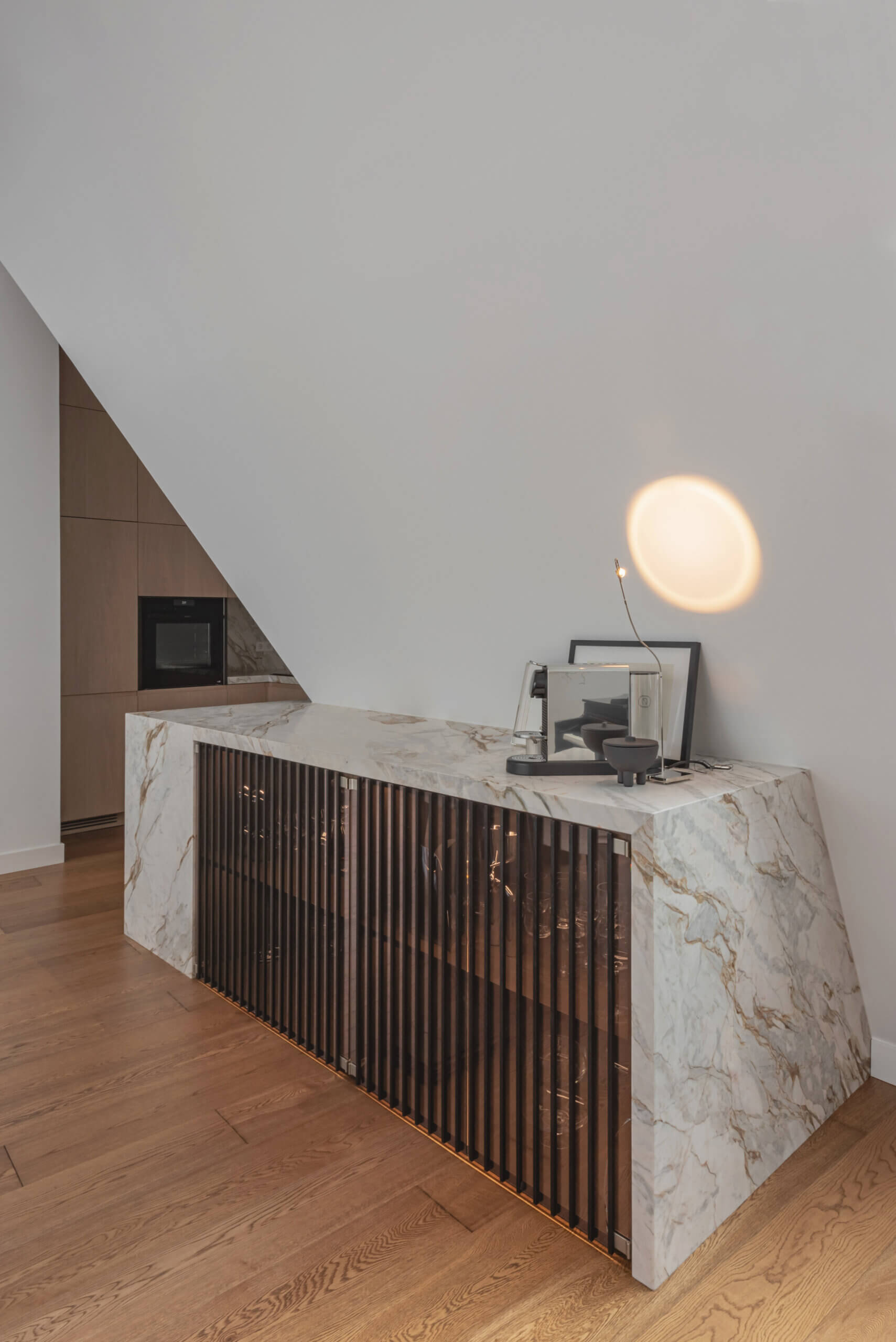
It is ideal for indoor flooring, wall cladding, bathroom countertops, stairs and furnishings, and in its most compact varieties it can also be used for kitchen tops, offering reliable performance and natural beauty difficult to replicate with synthetic materials. The choice of the most suitable variety depends on porosity, density and finish, parameters that allow selecting the best stones for each project. During fabrication, dolomite requires attention but is more stable than calcitic marbles, showing a good response to cutting and resining.

To see how dolomite performs in real applications, explore the featured project.

Maintenance and recommendations

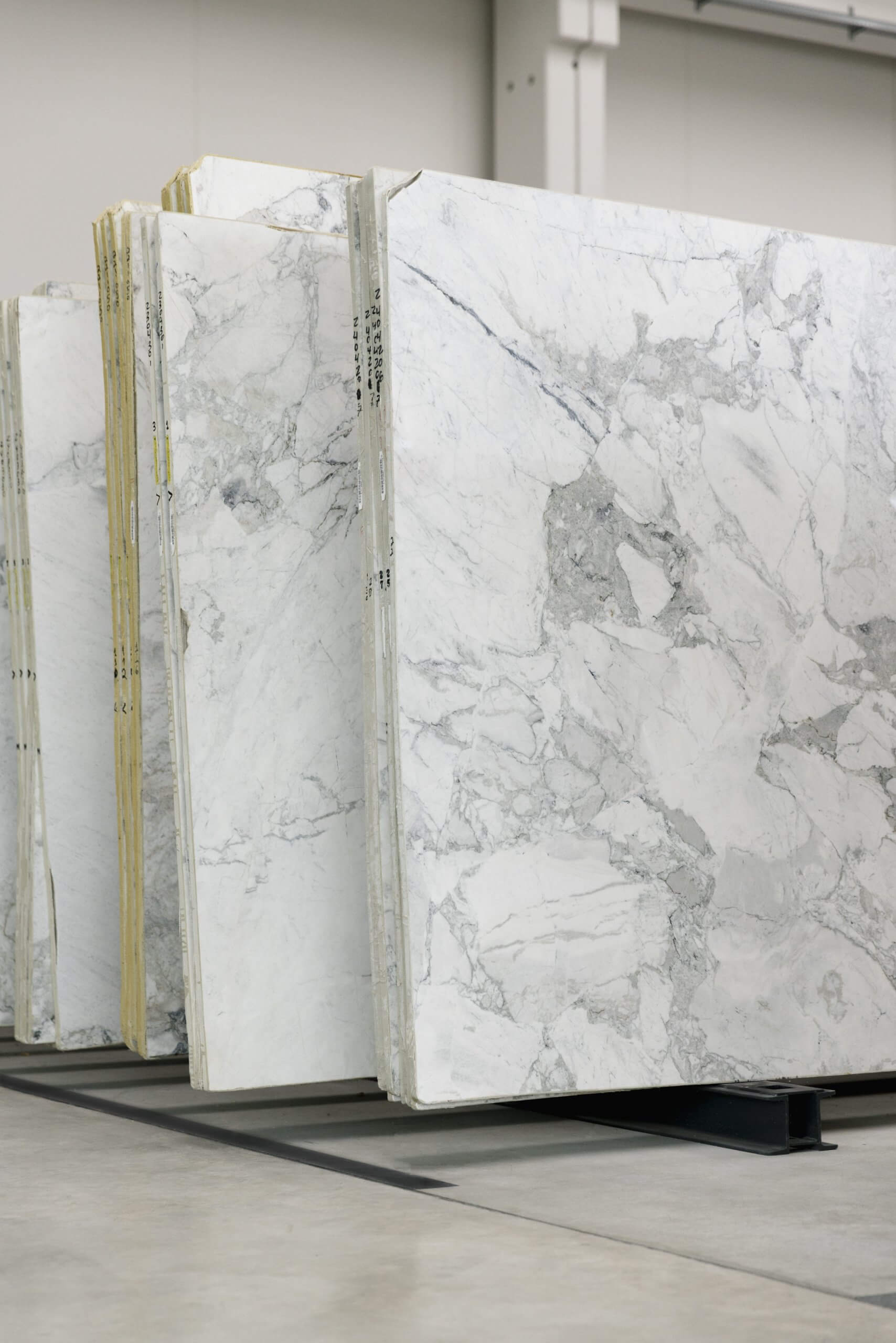
Dolomite maintains its performance very well over time when properly treated. For daily cleaning, neutral detergents are recommended while acidic or aggressive products should be avoided. A high-quality hydro-oil-repellent treatment further enhances the material’s resistance, especially for kitchen countertops, where the surface may come into contact with oily or pigmented substances. More compact varieties such as Nuvolato Calacatta offer excellent everyday performance, especially when combined with regular maintenance. For more technical information, consult the guides dedicated to stain removal and natural stone treatments.

Credits: Matteo Bianchessi

The character of the stone

Dolomite stands out for its contemporary elegance, capable of expressing either delicate veining or more pronounced movements depending on the variety. The balance between compactness, modernity and an aesthetic never excessive makes it ideal for those who seek a versatile, refined and coherent natural stone, able to interpret the project with identity and personality.