Stain Removal Guide

Lasting beauty, with the right care

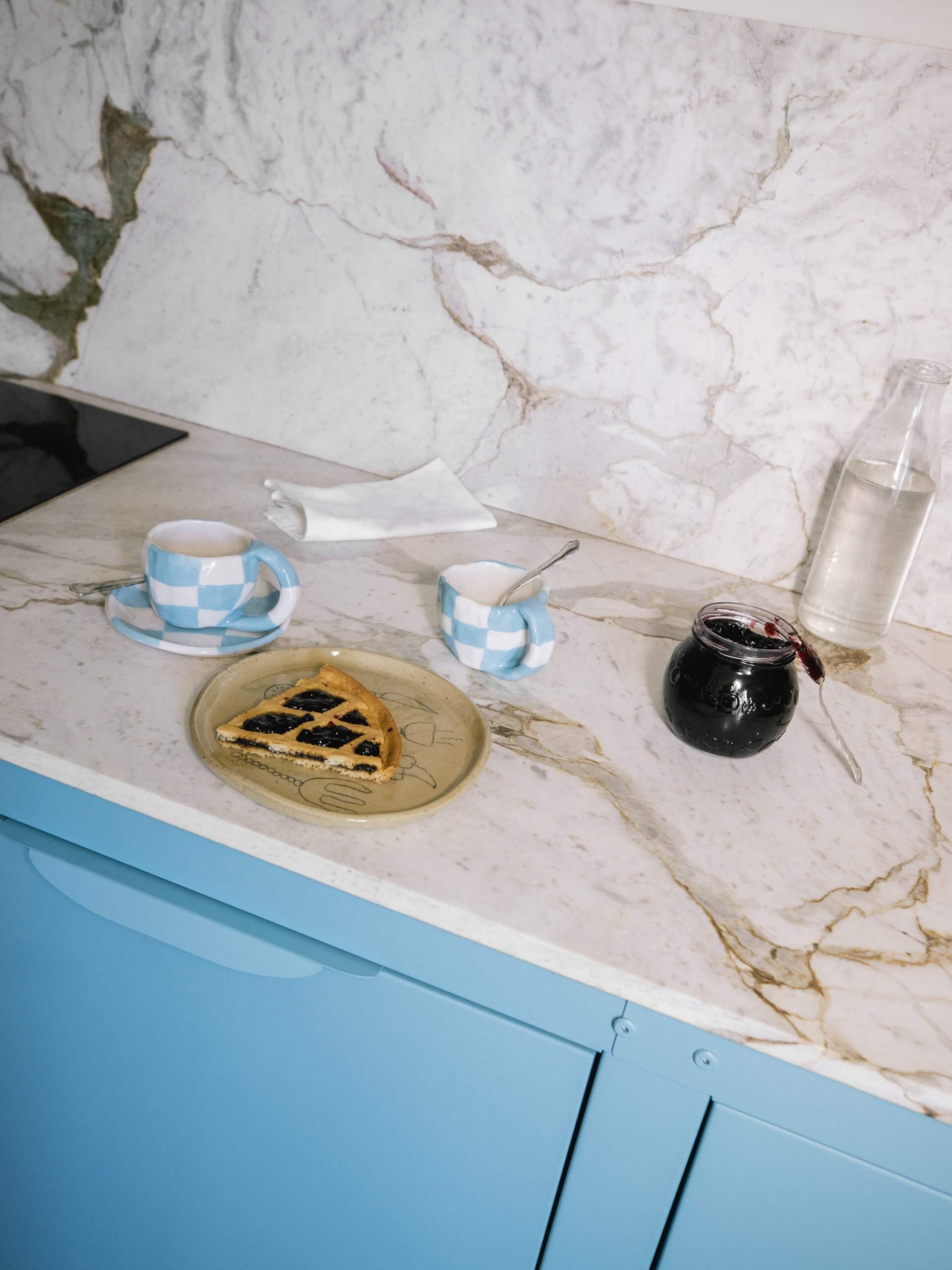
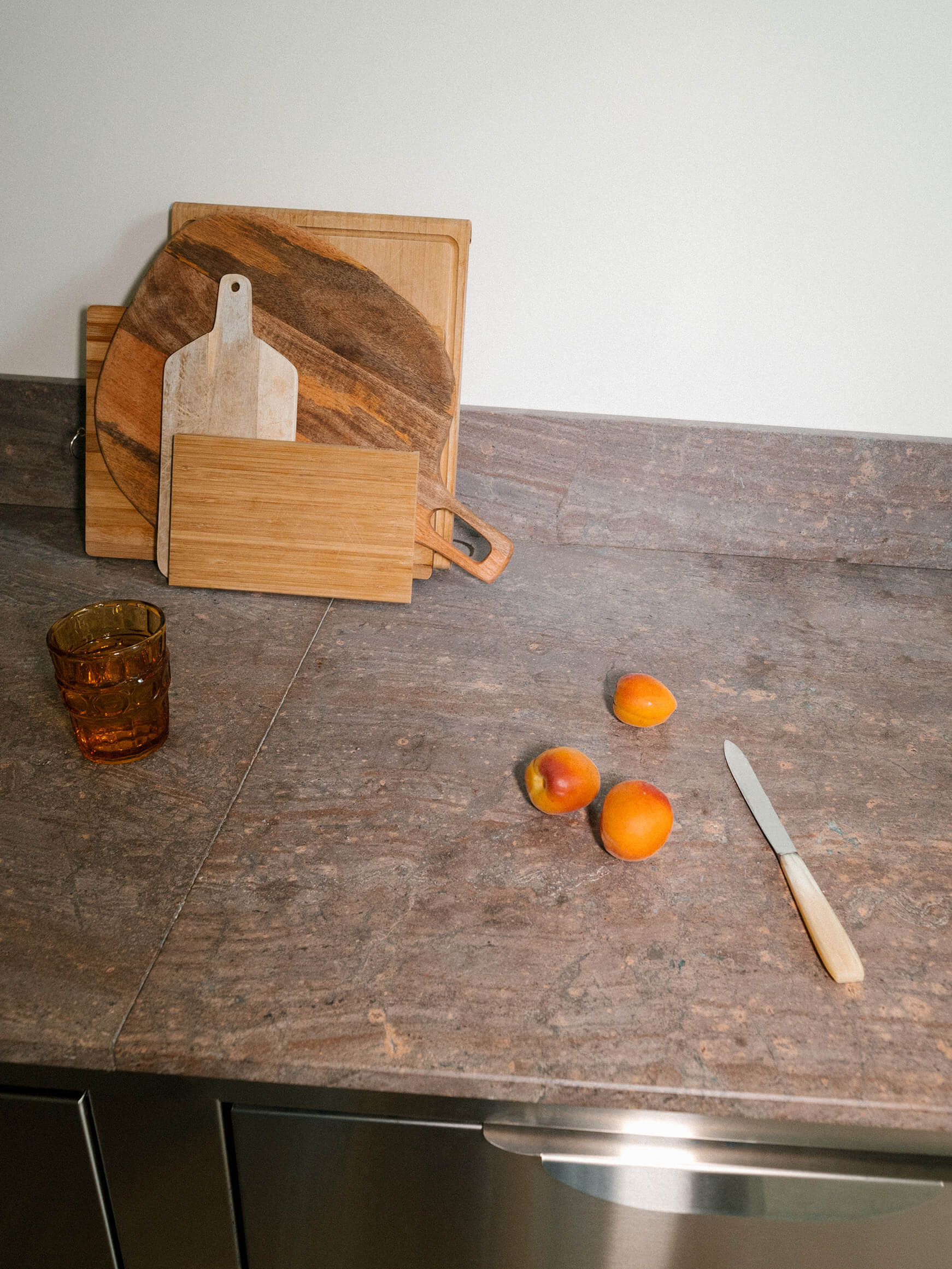
Natural stone is one of the most appreciated choices in architecture and interior design thanks to its intrinsic elegance and long-lasting nature. Its durability is fully realized when the material is selected thoughtfully and maintained with proper care, especially according to its intended use. For example, when it comes to kitchen worktops, choosing naturally more compact and resistant materials can prevent many common issues.

Explore our collection of stones suitable for kitchen countertops.

Still, if a natural stone surface becomes stained by common substances, it is possible to act by following a few simple guidelines that can resolve the issue without necessarily requiring a specialist. To provide clear and effective instructions, we created this guide together with FILA Solutions, our trusted technical partner for the care, maintenance, and restoration of natural stone surfaces.
Courtesy of: Very Simple Kitchen

Effective cleaning of absorbed stains

When a staining substance comes into contact with stone, it’s essential to act quickly: blot the residue with an absorbent cloth and clean immediately using a specific cleaner like MARBLE REFRESH to prevent the stain from penetrating. This applies to common substances such as oil, wine, coffee, tea, sauces, condiments, and colored liquids.

If the stain has already been absorbed, it is still possible to treat it effectively:

  • for stains caused by colored substances like coffee or tea: use SR95
  • for stains caused by oils or greases: use NOSPOT

These products act precisely, respecting the surface and leaving no residue.

Proper daily maintenance helps prevent many absorption-related issues. The use of neutral cleaners specifically formulated for stone allows you to remove light dirt without altering the existing protection, avoiding the build-up of surface films and preserving the material’s appearance over time.

How to deal with acid etching

So-called “acid etching” refers to surface alterations caused by substances like lemon juice, vinegar, or limescale removers. These agents not only stain the stone but also slightly erode the surface, increasing its porosity and causing both visual and tactile changes—often visible as dull, rough halos.

Such damage cannot be solved with chemical cleaning alone. For light or localized etching, it’s possible to use the KIT MARBLE RESTORER, carefully following the instructions for a controlled micro-polishing process. If the damage is more extensive or affects larger areas, we recommend a professional non-invasive polishing or resurfacing to restore the original look and feel of the stone.

Courtesy of: Very Simple Kitchen

Courtesy of: Very Simple Kitchen

Conclusion: choose wisely, act properly

Understanding the material and its characteristics is key to preventing issues. Many stain-related problems can be avoided from the design phase, simply by choosing more compact and resistant materials like quartzites and granites, which are naturally less prone to absorption and acid damage.

In any case, correctly identifying the type of stain and applying the right solution allows you to resolve the issue in most situations—without compromising the beauty of your stone.