Natural Stone Treatments

First and foremost: understand to choose and protect

We developed this guide in collaboration with FILA Solutions, a leading Italian company specializing in the protection, maintenance, and restoration of natural stone surfaces. The aim is to provide clear, practical advice to help designers and clients care for stone materials effectively.

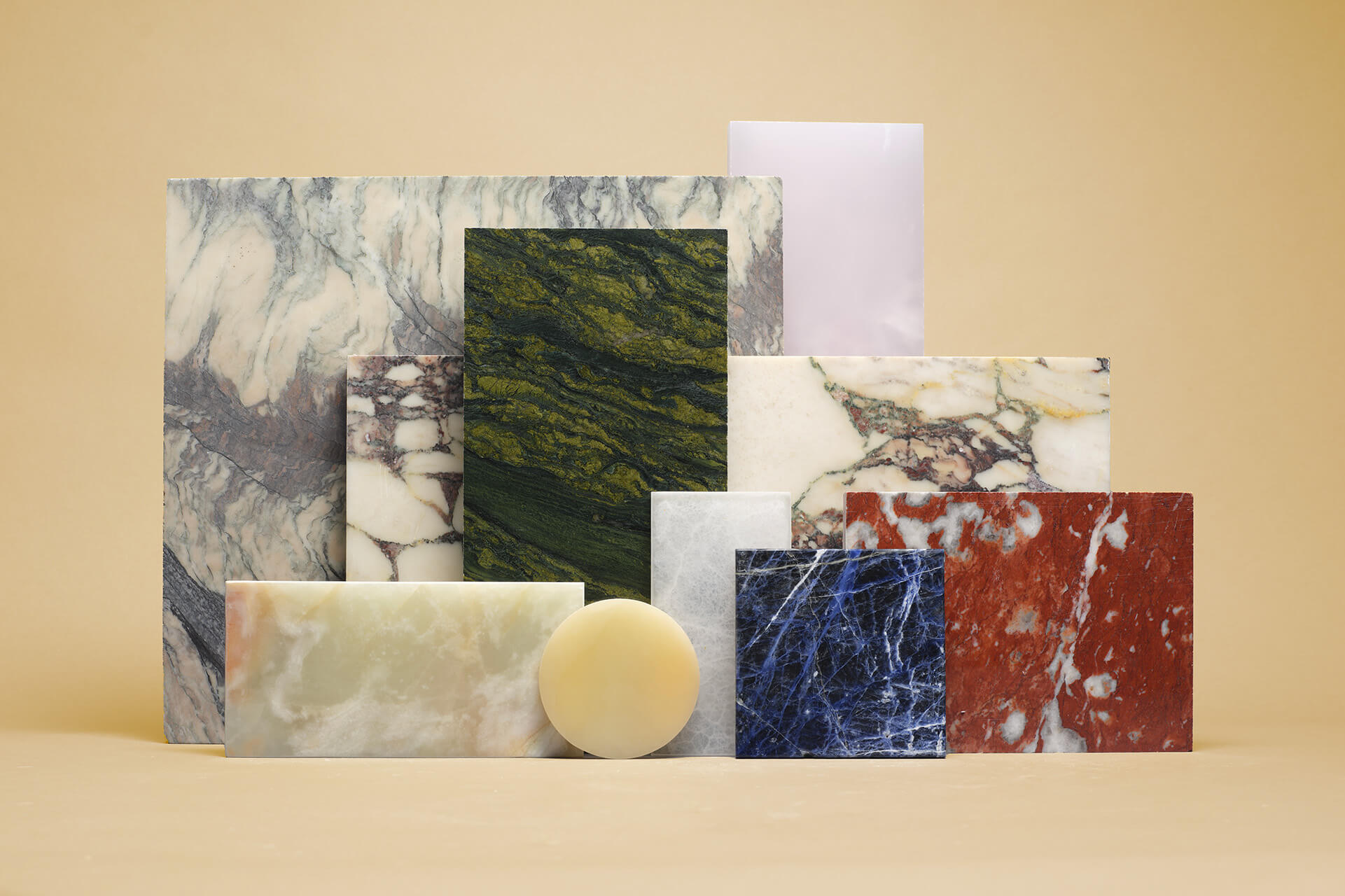
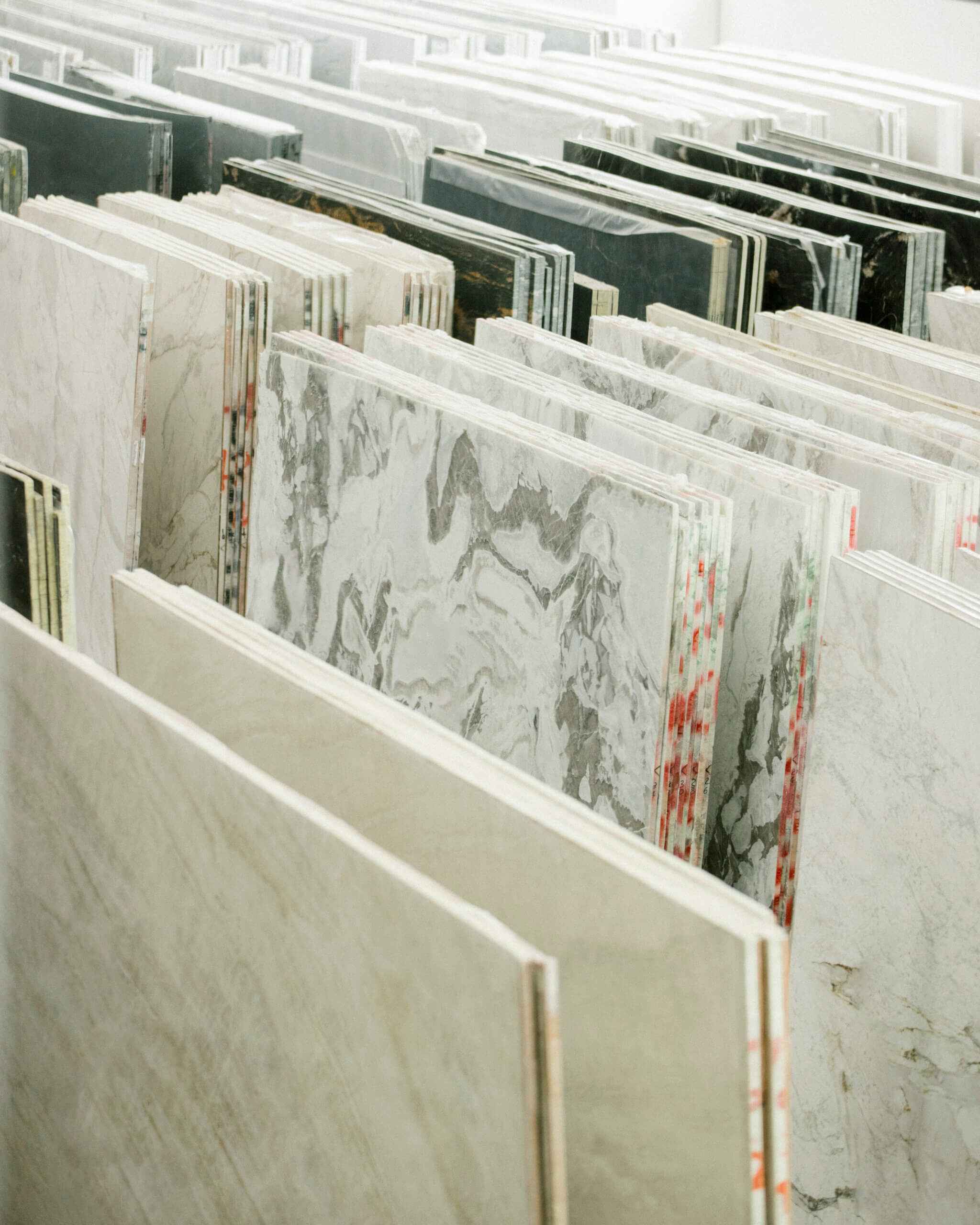
Natural stone is a noble material, but highly varied. Each type has its own characteristics: some are compact and resistant, others porous or acid-sensitive; some perform well outdoors, others require care in humid or high-traffic environments.

Understanding the type of stone is the first step to preserving it. The second is evaluating how it will be used: a busy kitchen countertop behaves differently from a bathroom vanity top or a bedroom floor. These factors help not only with material selection, but also with defining the right maintenance routine.

The 4 essential steps for stone care

  1. Routine maintenance
    Daily gentle cleaning with specific pH-neutral products.
  2. Stain protection (preventive)
    Application of breathable, water- and oil-repellent treatments that reduce absorption and make cleaning easier.
  3. Finishing
    Protecting and preserving the aesthetic appearance of the material over time, counteracting limescale and dullness.
  4. Stain removal and restoration
    Specific targeted treatments in case of stains caused by oils, acids or pigments.
Credits: Matteo Bianchessi

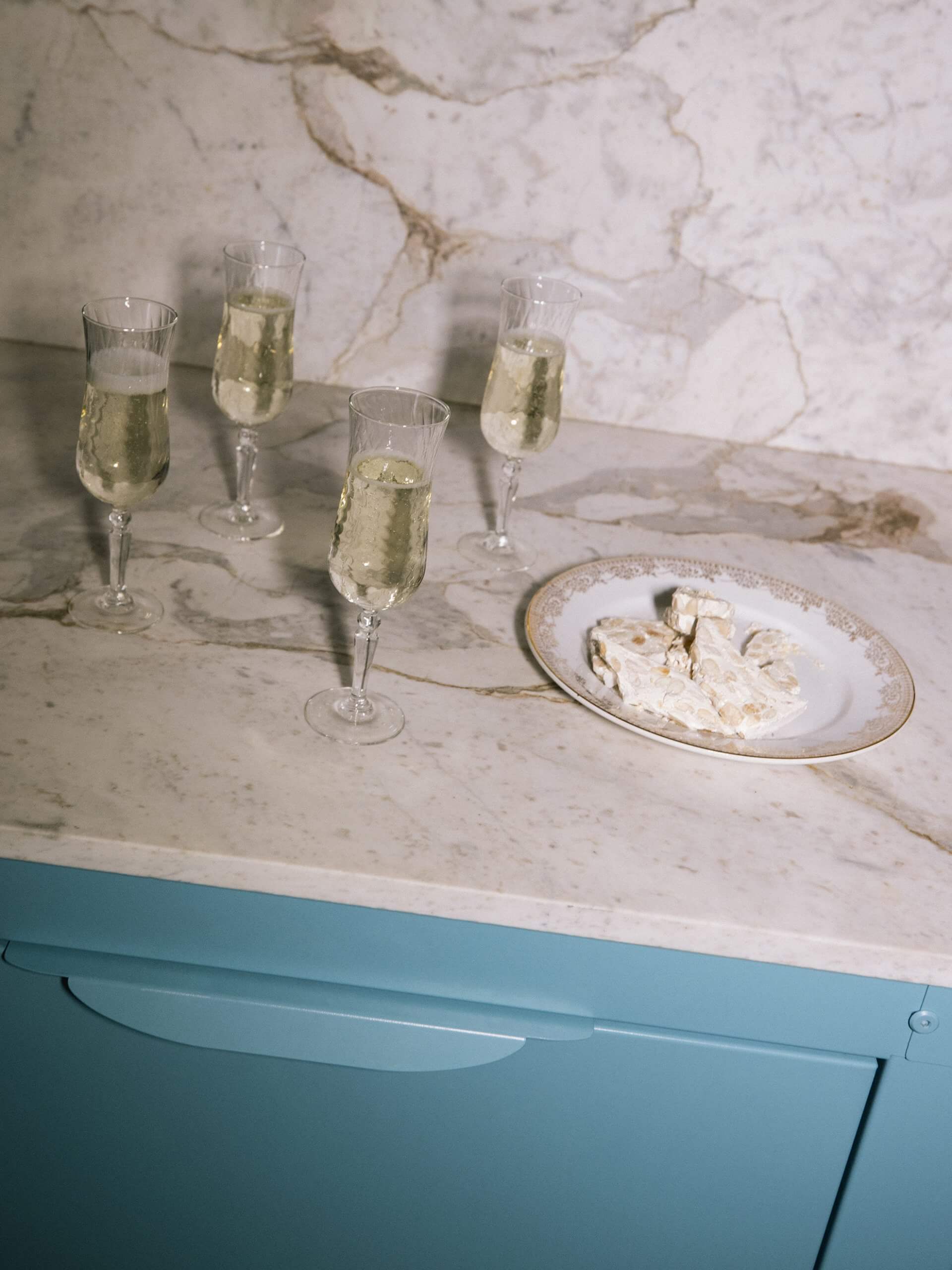
Kitchen countertops

Routine maintenance

Use a neutral, delicate cleaner such as CLEAN&SHINE, ideal for natural stone, marble, and granite. Avoid aggressive substances commonly found in households: vinegar, lemon juice, bleach, descaling products, and even light solvents like denatured alcohol. These substances, especially on calcareous stone, can cause permanent damage.

Stain protection

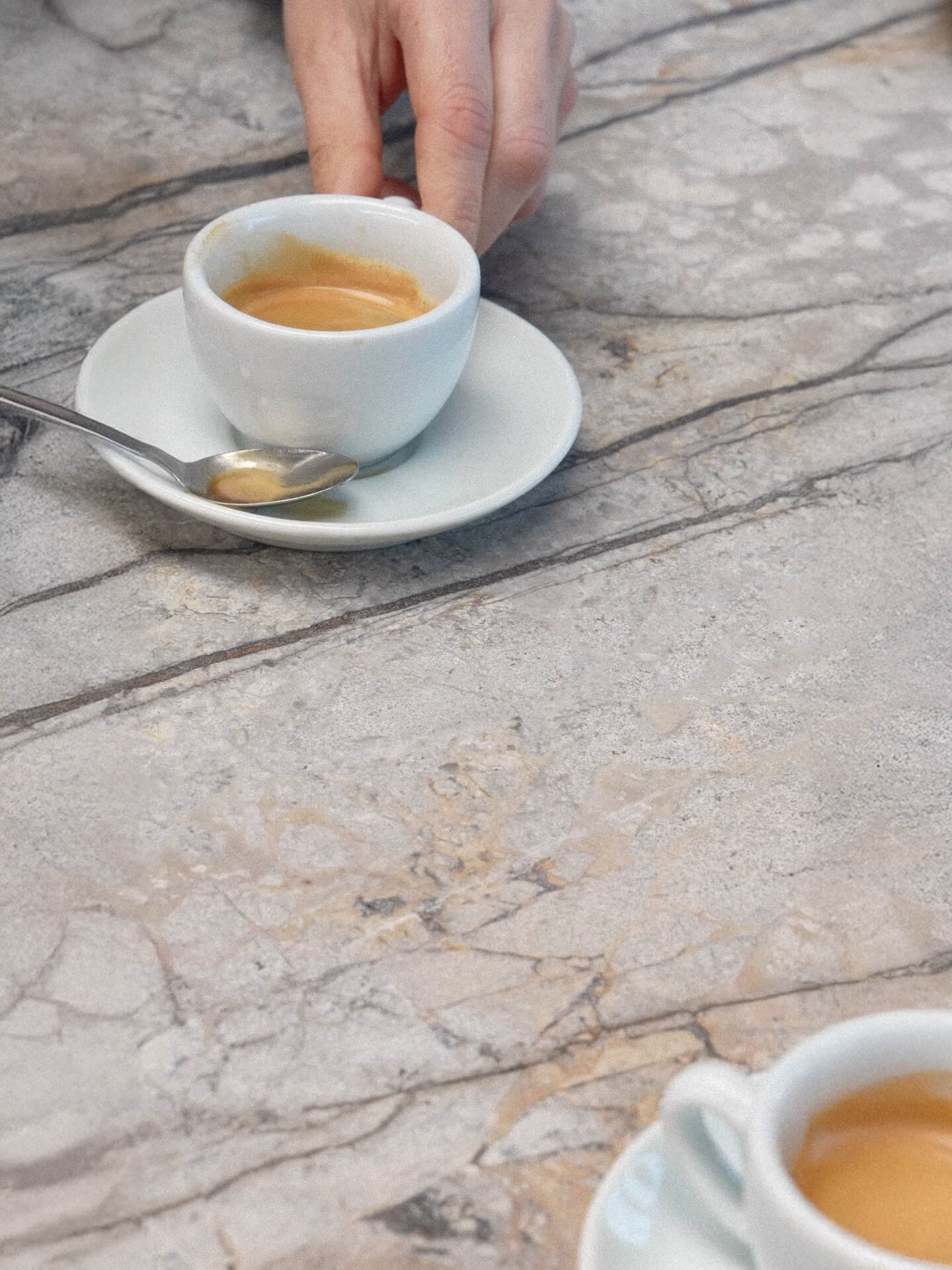
The second step is preventive protection. Applying a specific water- and oil-repellent sealer helps prevent the absorption of potentially harmful substances such as oils, wine, coffee, or other foods. It also makes daily cleaning easier, keeping the surface less vulnerable to everyday use.

Treatments are divided into two categories:
Non-enhancing: invisible, water-based, and food-contact certified (e.g., MP90 ECO XTREME)
Enhancing: deepen color and emphasize veining (e.g., STONEPLUS)

It is important to note that these treatments do not protect against acid attacks. There are specific coatings on the market that offer this type of barrier, but at Marimar we do not recommend their use, as they tend to alter the tactile feel of the stone and present some drawbacks in terms of maintenance and durability.

Finishing

The finishing stage helps preserve the aesthetic appearance of the material over time. A product like FORMULA MARMO nourishes the surface and prevents limescale build-up, particularly useful in environments like the kitchen, where water is constantly present.

Restoration

Even with precautions, stains may occur. Oil, colored substances, or acids can penetrate and alter appearance. In these cases, it is important to use specific products designed for the nature of the stain and compatible with the material

Courtesy of: Very Simple Kitchen

Credits: Matteo Bianchessi

Indoor Floors

Routine maintenance

For the daily cleaning of natural stone floors—both in residential and commercial settings—it is essential to use a pH-neutral detergent that leaves no residue and does not interfere with any existing protective treatments. A product like CLEANER PRO, diluted in water, is ideal: it cleans thoroughly while respecting both the surface and the protection, keeping the stone clean without dulling its appearance.

It is crucial to avoid aggressive or unsuitable substances such as ammonia, acids, alcohol, bleach, waxy or scented detergents, which may leave films or damage the finish.

Stain protection

Even on floors—especially in high-traffic areas or places prone to frequent soiling—it is helpful to apply a water- and oil-repellent treatment. A product like MP90 ECO XTREME protects the stone from common substances such as wine, oil, coffee, or urban dirt, while preserving its natural appearance.

It’s important to remember that although these treatments are highly effective against liquid absorption, they do not protect stone from acidic agents, which can irreversibly damage calcareous materials like marble, travertine, or limestone.

Finishing

On floors, a finishing treatment can play both an aesthetic and a protective role. In some cases, it is possible to use specific waxes or enhancers to improve the appearance of the stone and add protection against dirt and wear—but only after verifying compatibility with the specific material and usage context.

We recommend testing the product in a hidden area or consulting a specialist before applying it across the surface.

Restoration and stain removal

Floors are especially prone to accidental stains: food, drinks, cosmetics, harsh cleaners, or outdoor dirt. Each stain requires a targeted intervention depending on its nature (greasy, organic, acidic, pigmented).

Incorrect removal can worsen the damage or leave permanent marks.

Credits: Oliver Jaist

Knowledge, care, longevity

Understanding your stone and adopting simple habits is the best way to protect its performance and beauty over time. Thanks to FILA, there are effective and safe products even for sensitive spaces like kitchens.

From daily cleaning to stain prevention and removal—stone care is simpler than you think, if you choose the right approach.