Knowing Quartzite

Quartzite: a natural stone worth discovering

Quartzite is one of the most sought-after natural stones in contemporary interior design. It is born from a slow and powerful geological process that transforms sandstone into a compact, resistant and luminous material. Today, this millennial evolution becomes a design language: authentic surfaces with visual depth and character, capable of combining technical performance with natural beauty. Discovering quartzite means understanding a material that embodies both strength and refinement the ideal choice for those who want a durable solution without compromising on elegance.
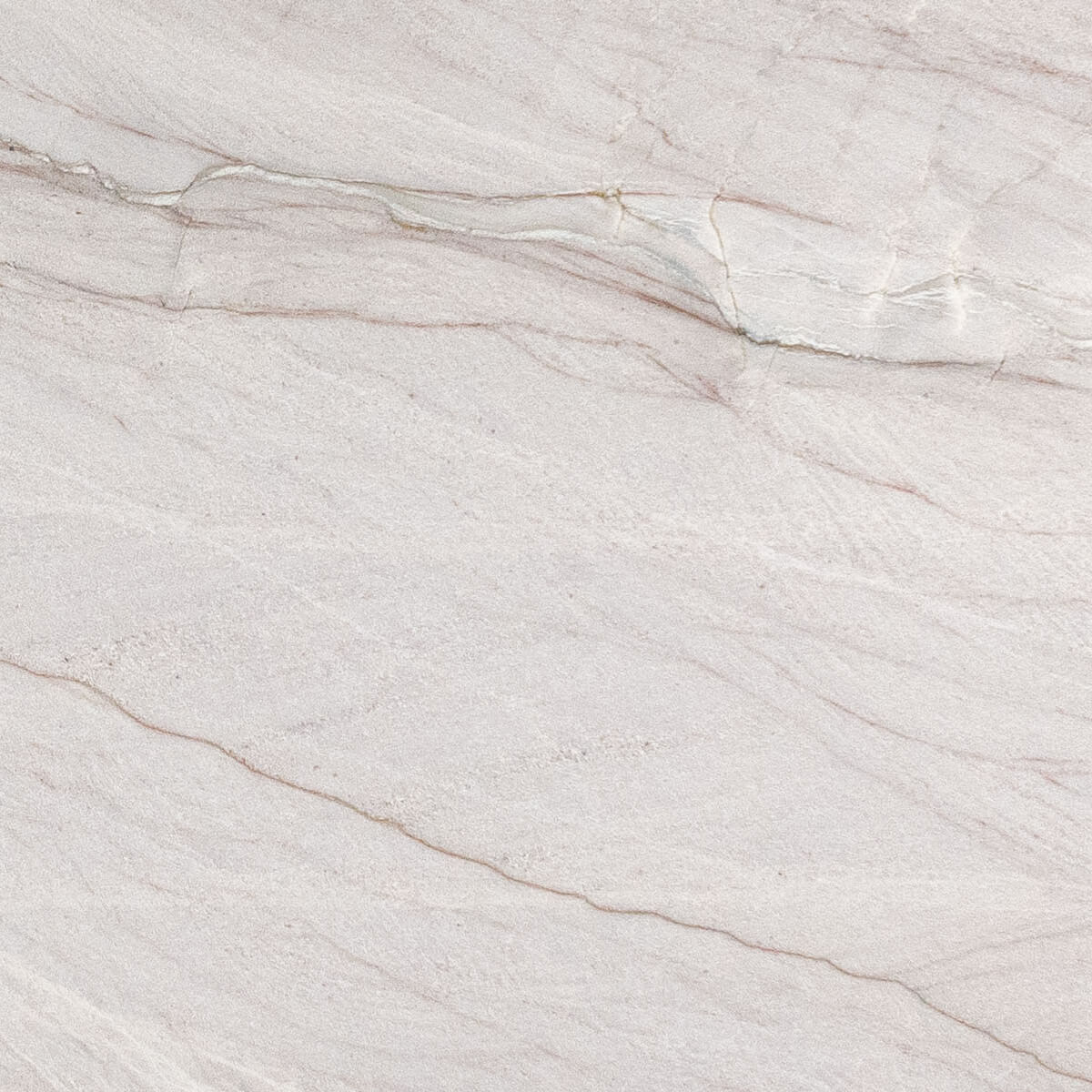
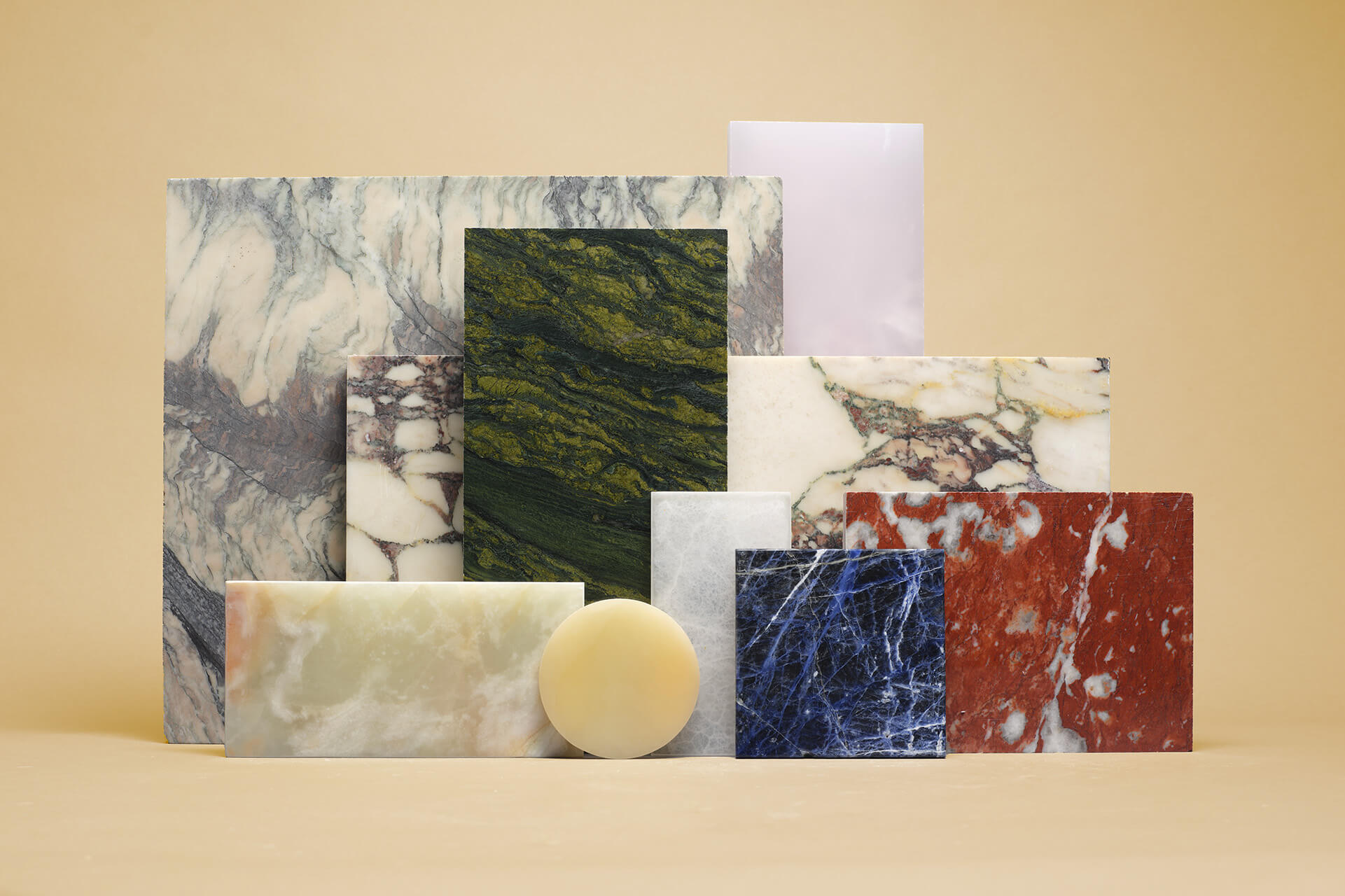
Kalahari, Infinity Brown, Cosmopolitan, Patagonia

Origin and identity of the material

Quartzite is a metamorphic rock formed by the transformation of ancient sandstone layers rich in quartz, subjected to high pressure and temperature over millions of years.
The result is a compact, resistant and luminous stone capable of combining the strength of granite with the refinement of marble. The main deposits are found in Brazil, India, Africa and North America, regions that offer very different chromatic variations. A natural material of great charm, quartzite is today one of the most appreciated stones in the world of interior design thanks to its ability to combine technical performance and natural beauty.

Morphological and mineralogical characteristics

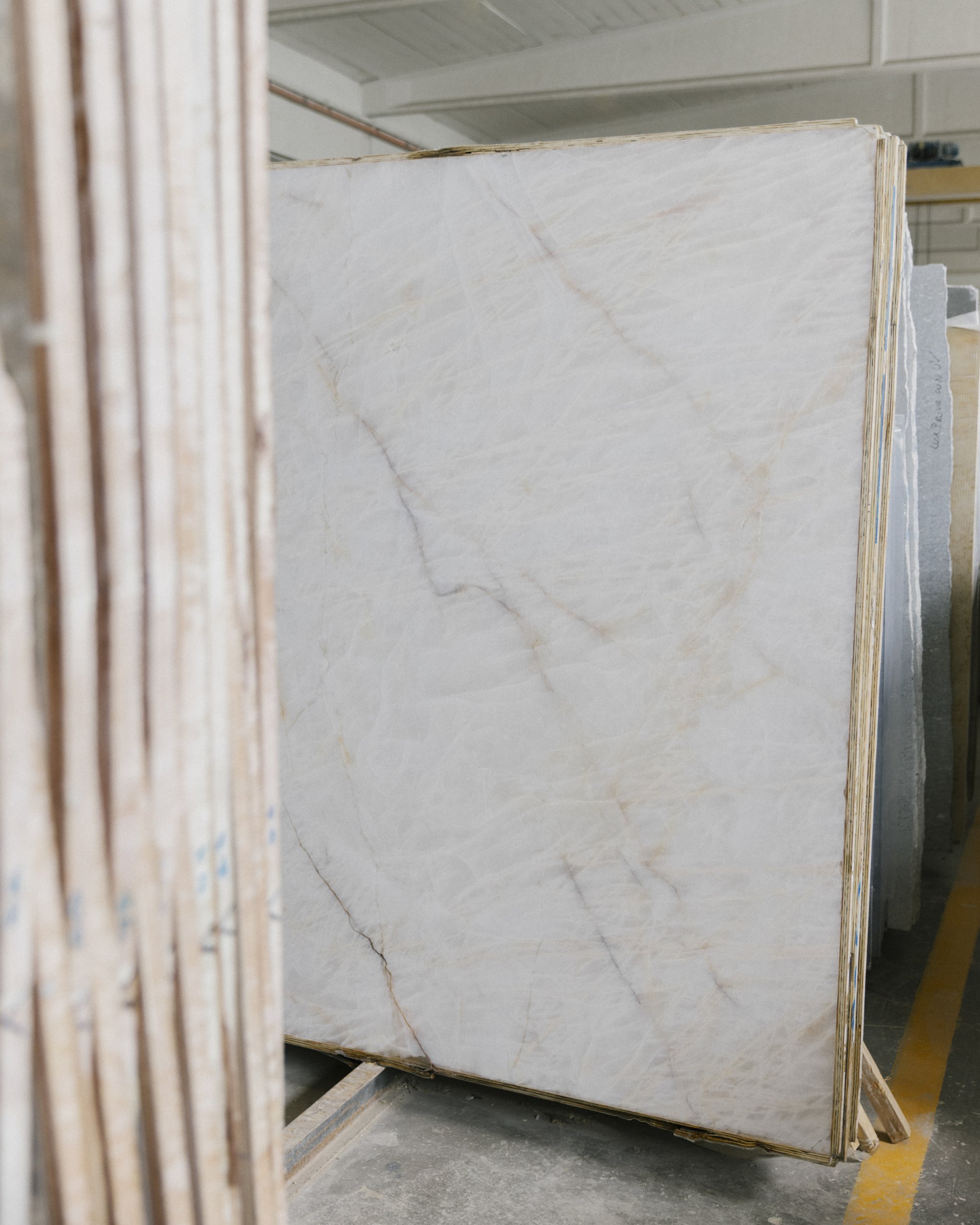
Composed mainly of quartz (over 90%), quartzite features a compact crystalline structure with minimal porosity. This composition determines its hardness, scratch resistance and chromatic stability. Its appearance varies from material to material: some quartzites are uniform and translucent, others display dynamic veining or wavy patterns generated by tectonic movements that accompanied the metamorphosis of the rock.

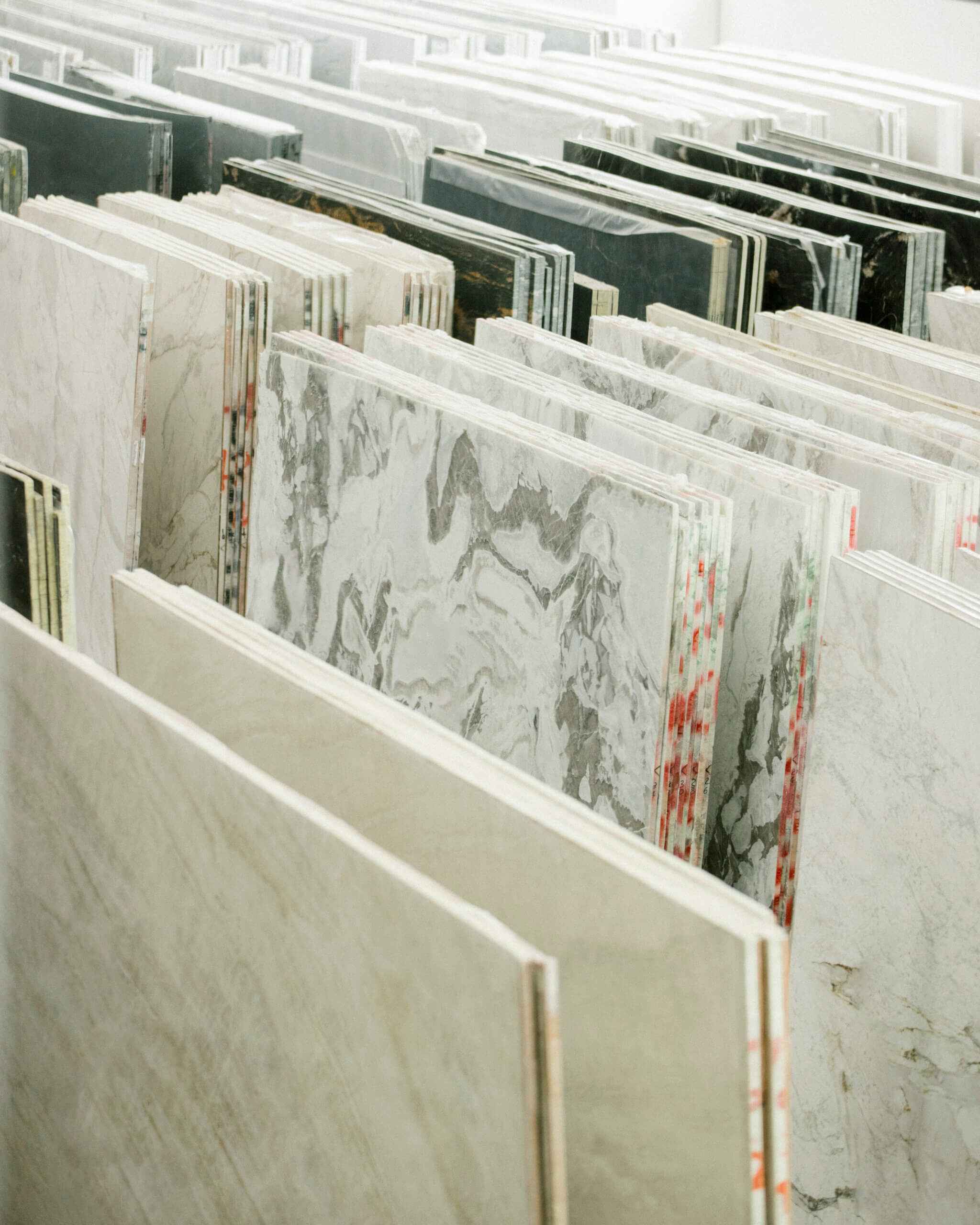
The chromatic range is wide: whites and beiges such as Taj Mahal or Mont Blanc, grey tones like Carnia Grey, greens and blues like Ocean Blue or Emerald Green, up to darker varieties such as Negresco or Taj Black. This natural variety makes it one of the most versatile and scenic stones for architecture and interior design.

Courtesy of Scholz Naturstein

Technical properties and applications

Quartzite is one of the most resistant and high-performing natural stones, with a hardness of 7 on the Mohs scale and high mechanical stability. However, not all quartzites offer the same performance: some varieties have residual porosity and are more sensitive to the absorption of oil, water and pigmented substances.

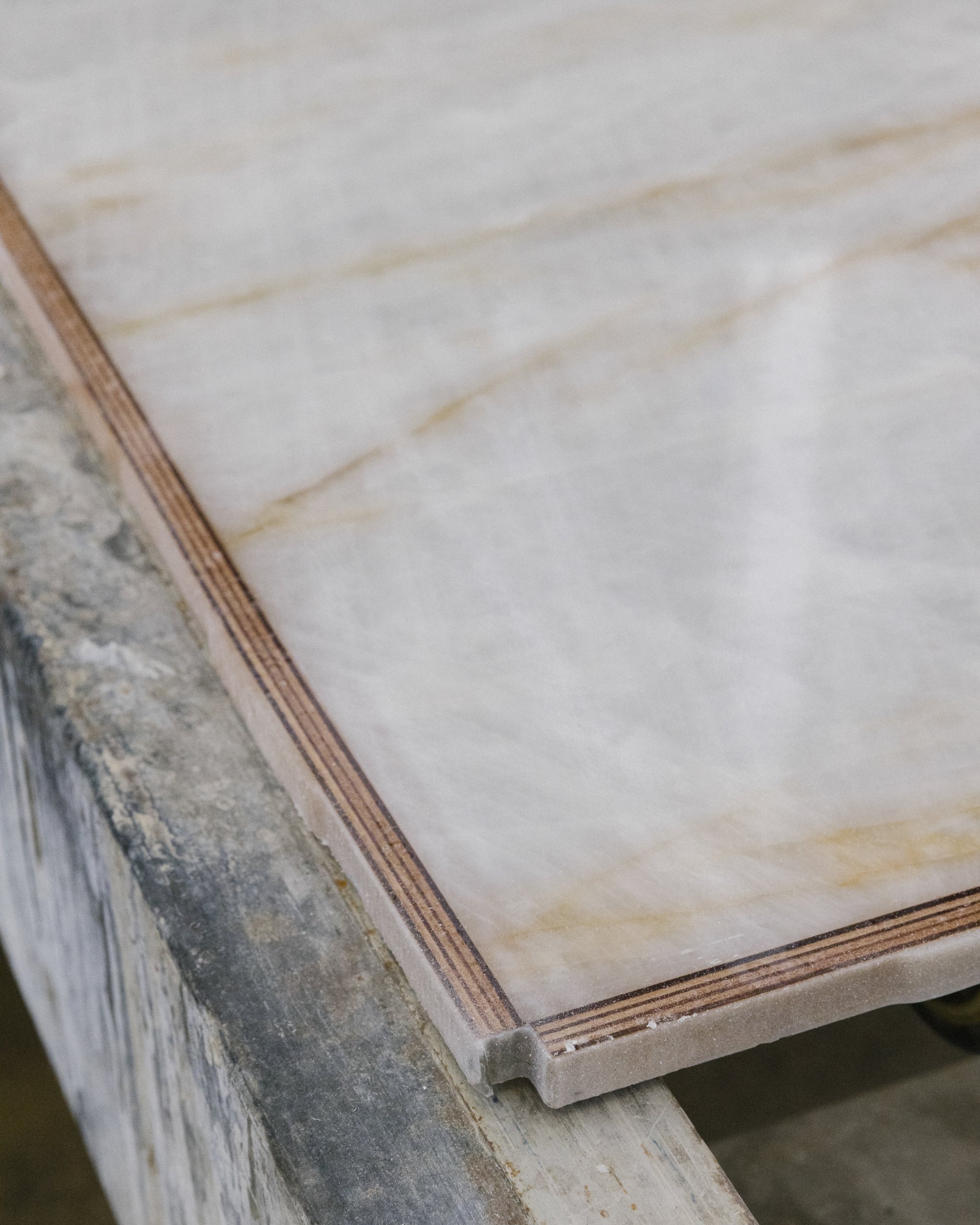
For this reason, depending on the intended use, it is essential to evaluate the specific variety and the most suitable surface treatment. Quartzite is ideal for kitchen countertops, bathroom vanities, interior cladding and furniture elements, thanks to its combination of strength, compactness and aesthetic impact. During processing, its hardness requires diamond tools and longer cutting times, and the slab often needs mesh backing and resin treatment to improve structural cohesion and ensure material stability.

To see how quartzite performs in real applications, explore the featured project

Maintenance and recommendations

Quartzite is a resistant material but, to guarantee durability over time, it requires regular maintenance and targeted protective treatments. Neutral products are recommended for daily cleaning, avoiding acidic or solvent-based detergents.

For the more porous varieties, a high-quality water- and oil-repellent treatment is essential and should be renewed periodically depending on usage intensity, especially on kitchen tops and horizontal work surfaces. Proper care helps preserve the natural brightness of the surface and prevents the formation of halos or superficial stains. For a conscious day-to-day management and to learn more about surface protection types, consult the dedicated guide to stain removal and natural stone treatments.

Credits: Matteo Bianchessi

The character of the stone

Quartzite represents a synthesis of strength and refinement: a natural material capable of combining resistance, elegance and unique aesthetics. It is the choice for those who want an authentic and durable surface able to elevate any space with balance and personality.
Every slab tells the story of a complex geological process, translated into tangible beauty: a material shaped by pressure and time, now transformed into expression through design.