Travertine: a material that inspires

A material that tells stories

Some materials furnish. Travertine tells stories. It’s a stone that needs no introduction, yet still surprises for its versatility, warmth and visual depth.

A long architectural legacy, now renewed

Used for centuries in architecture, today travertine is back as a protagonist in refined interiors—especially in bathrooms, which are now experiential spaces, not just functional ones.

Credits: Christoph Philadelphia

Chromatic and geological diversity

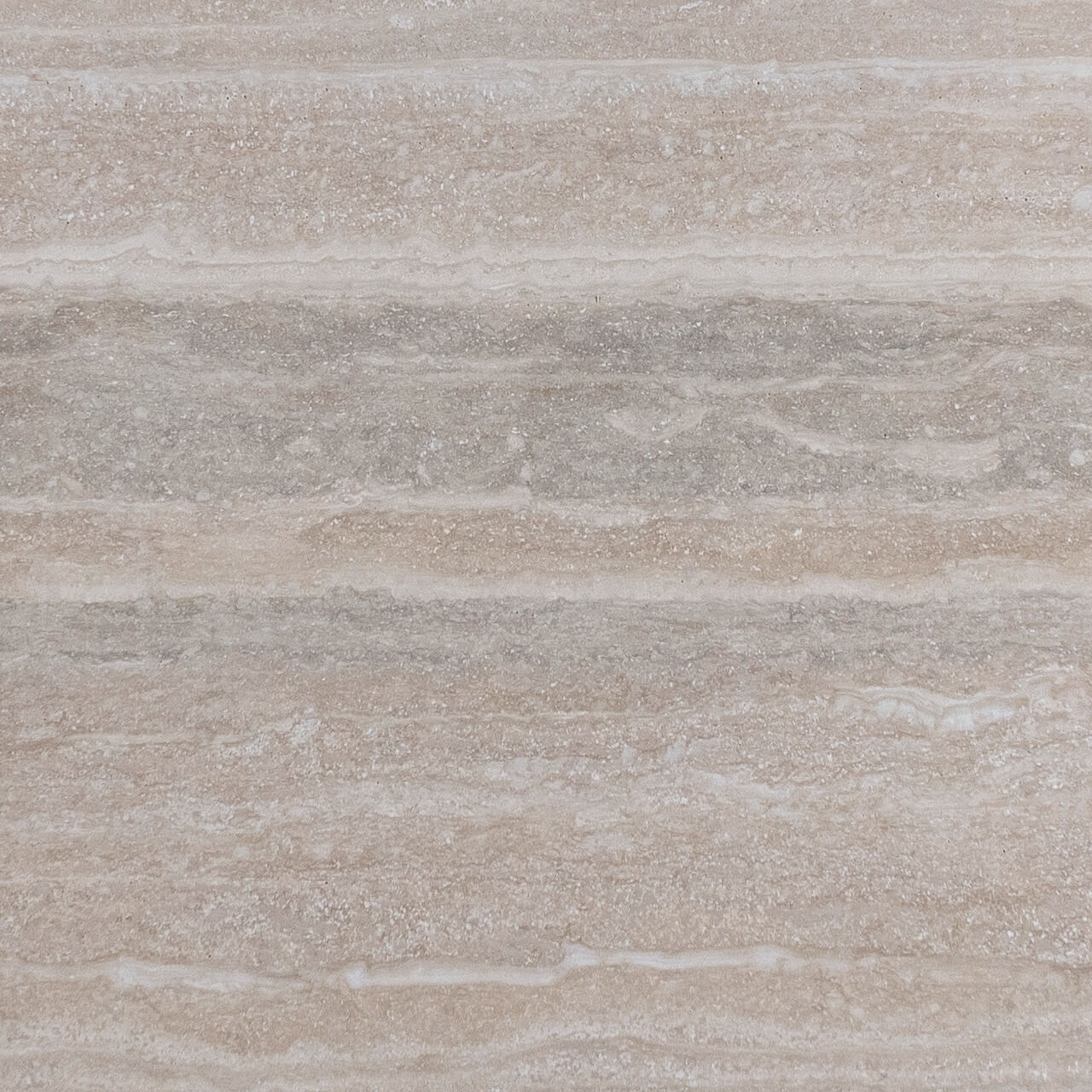
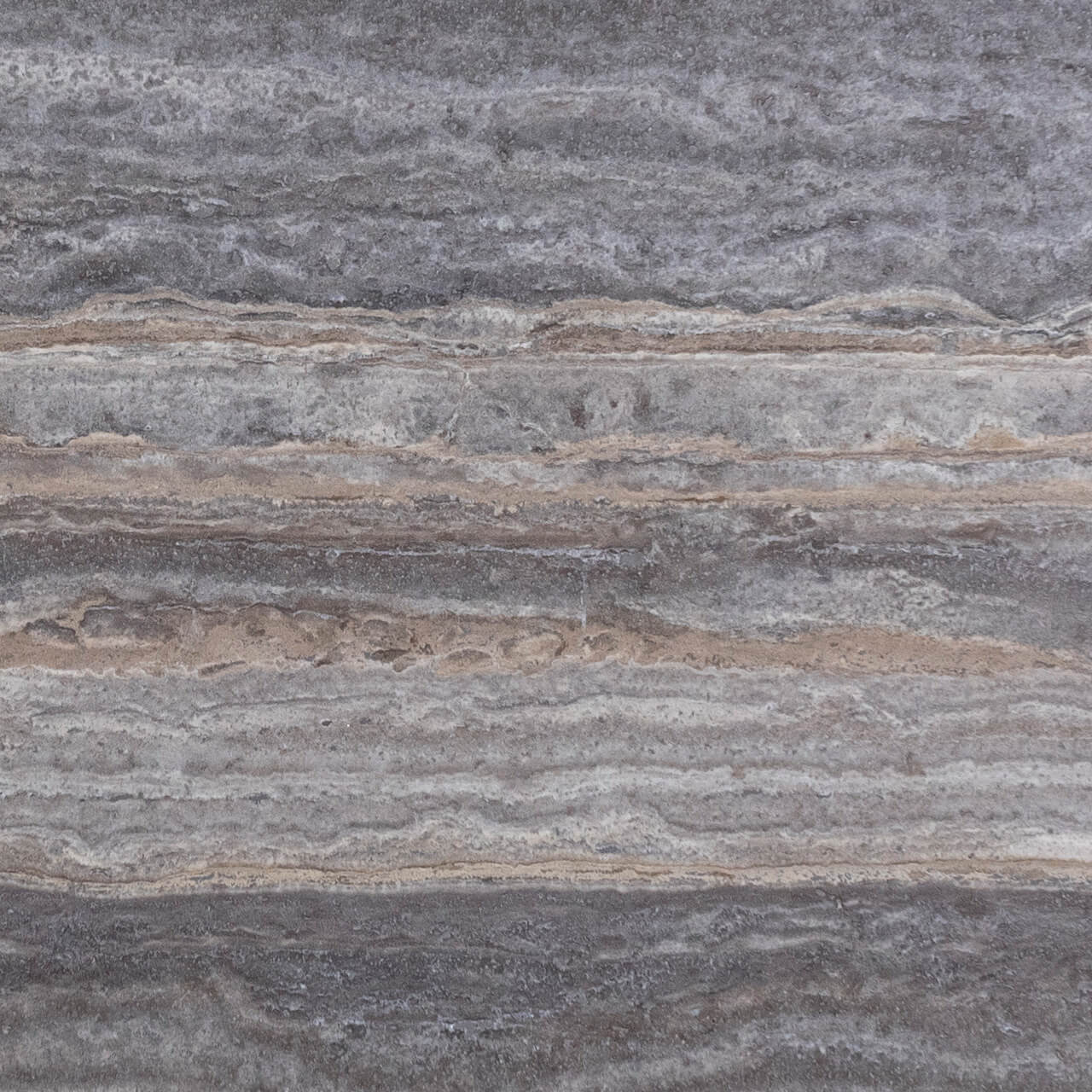
No travertine is the same. From soft-toned classics to cooler and more sophisticated varieties like Silver or Titanium, to bold and dramatic versions like Persian Red, this stone offers incredible diversity.

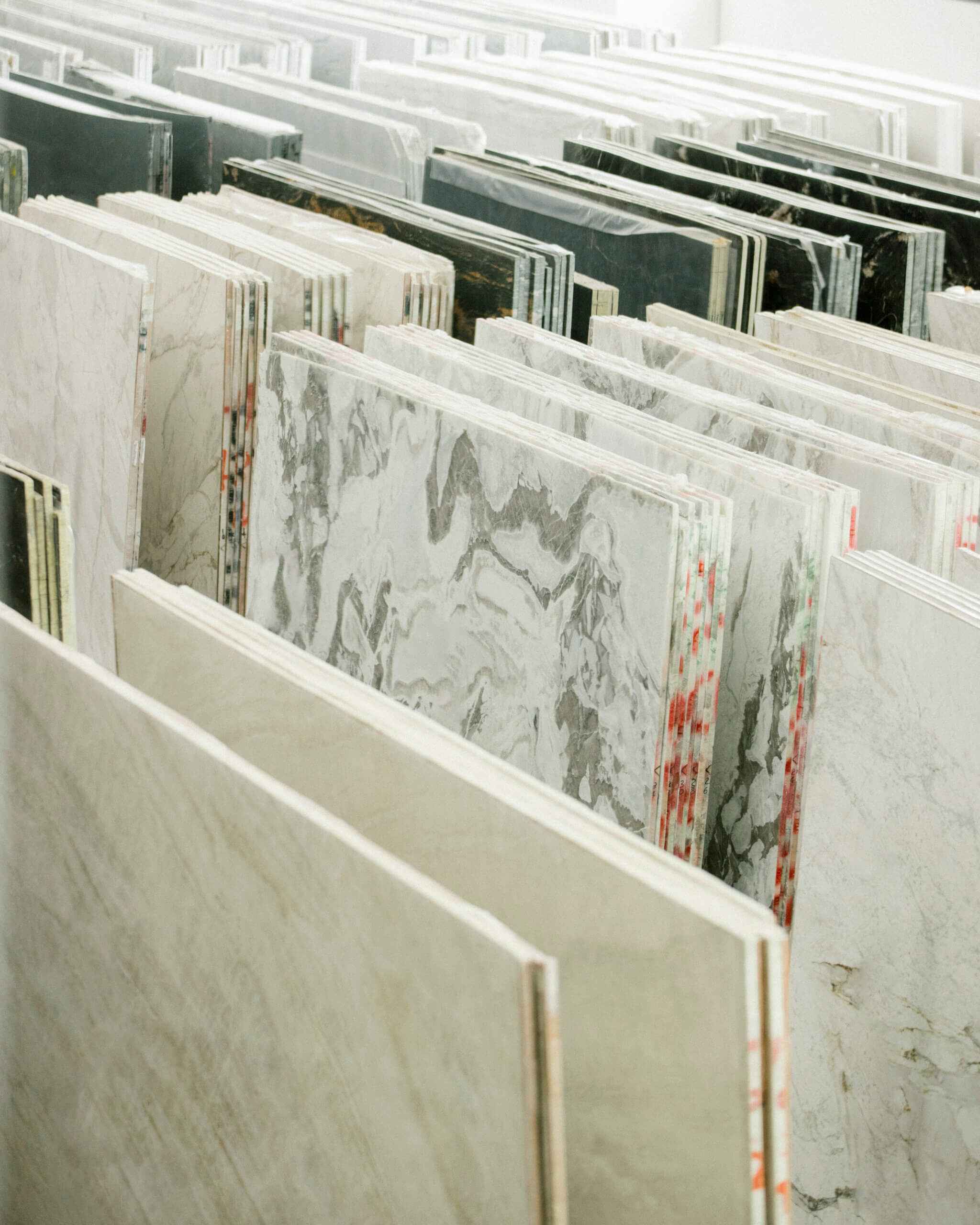
Color is just the beginning. Origin matters, too. Italy, Turkey, Iran: each quarry gives the stone a unique character, shaping its veins, pores, texture and behavior.

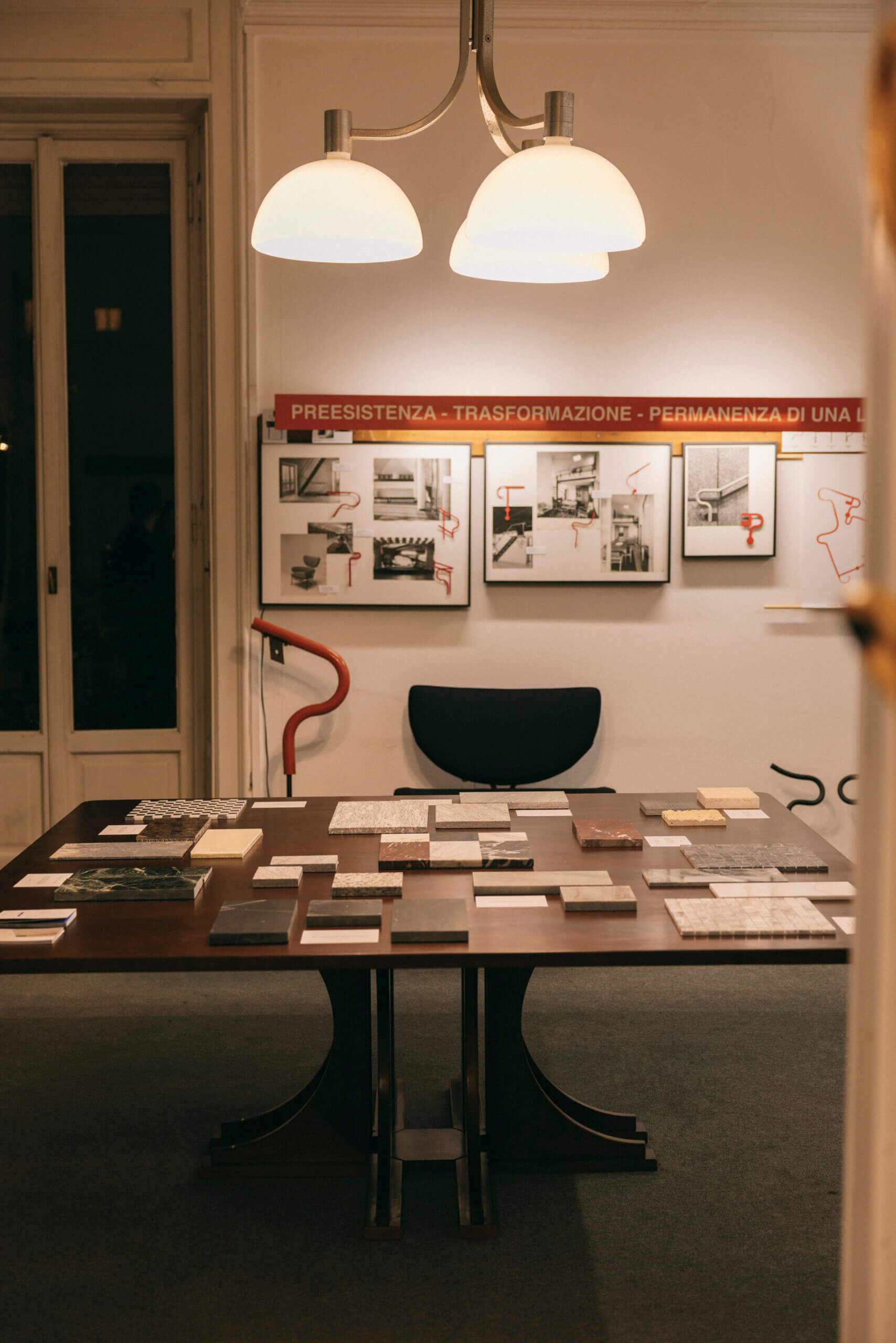
Travertino Jurassico, Travertino Romano Classico, Travertino Rosso Persiano, Travertino Titanium

Material as the focal point

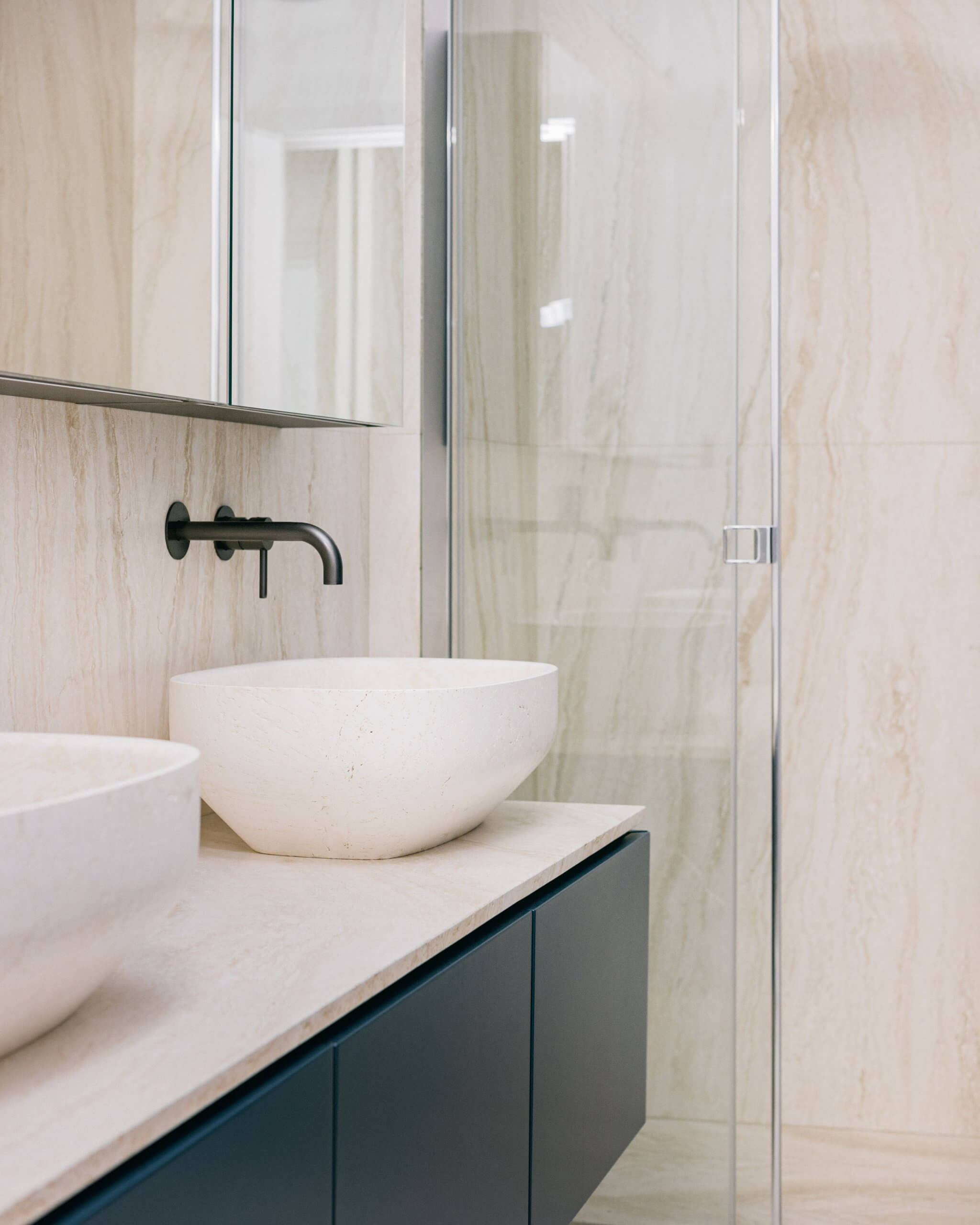
Bathrooms are where travertine reveals its most sensual side. On walls or floors, backlit or raw, vein-cut or cross-cut, it transforms intimate spaces into immersive experiences.

That’s exactly what happens in the Via Savona project: a contemporary interior where travertine brings warmth, prestige and visual harmony between bathroom and living area.

Credits: Matteo Bianchessi

A versatile choice

Travertine isn’t only for bathrooms. It’s ideal for open spaces, kitchens, stairways, outdoor areas—thanks to its adaptability, finish options and technical performance.

In the Sands project, for example, this stone becomes a unifying element, echoing the architecture with its natural palette and refined simplicity.

Visual vibration

Travertine is not just stone. It’s visual vibration. A material that resonates with light, water and space.

Credits: Oliver Jaist