“Do you own quarries?” A clear answer

A frequently asked question

This is one of the most frequently asked questions, especially by those approaching the world of natural stone for the first time. It’s a valid question — and an opportunity to explain how the industry actually works, and where Marimar fits within it.

A specialized but fragmented industry

The natural stone supply chain is highly diversified. Some companies specialize in quarrying (extracting raw blocks), others in block trading, transformation into slabs or finished products, distribution, and installation—typically handled by fabricators and stonemasons.

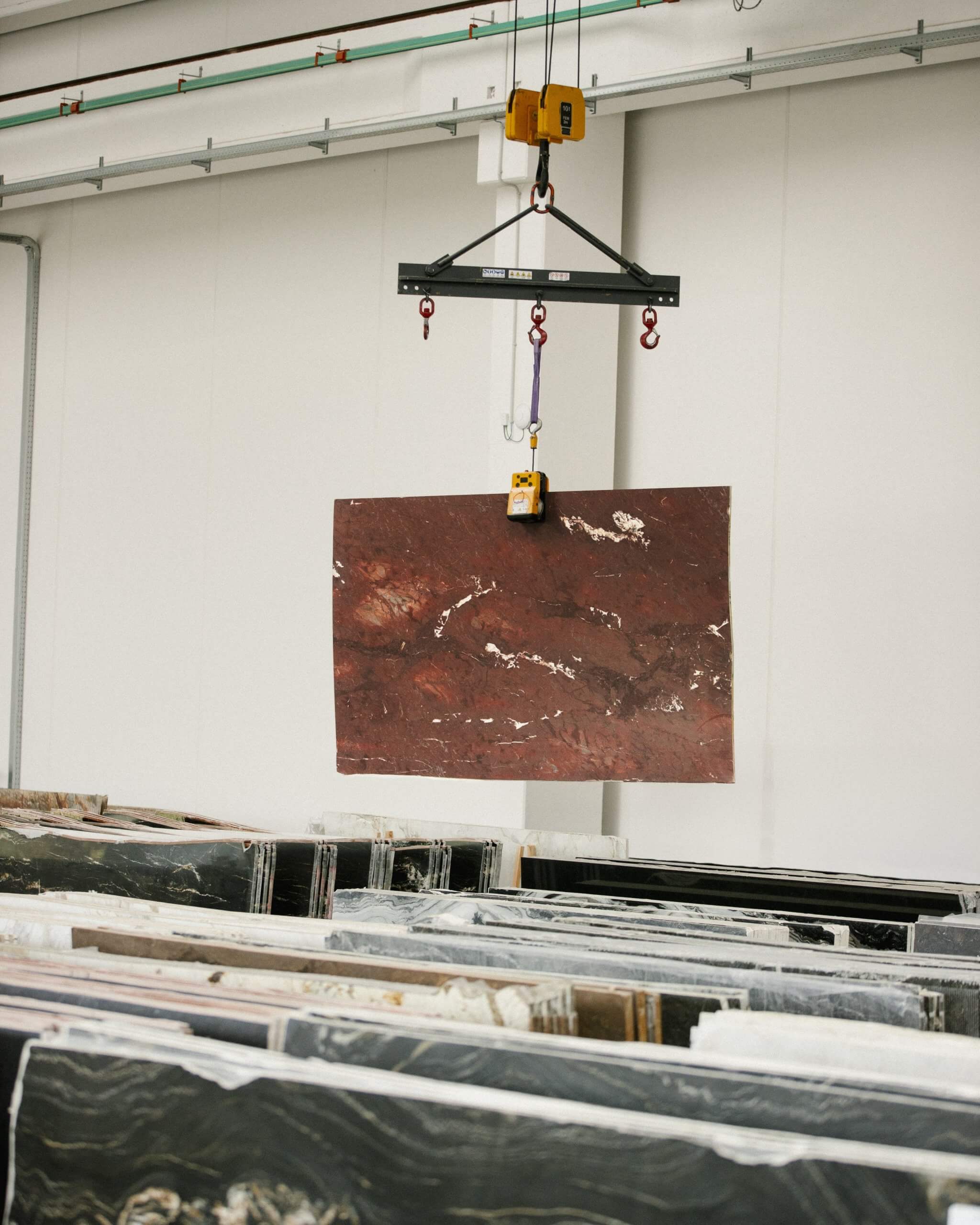
Each company may cover one or more steps. Some work only with stone from their own quarries; others focus on local or national materials. Then there are companies like us that source materials internationally and process them—partially or entirely—in Verona, before selling or using them in projects.

Want to explore the materials we work with? Browse our updated stone catalogue.
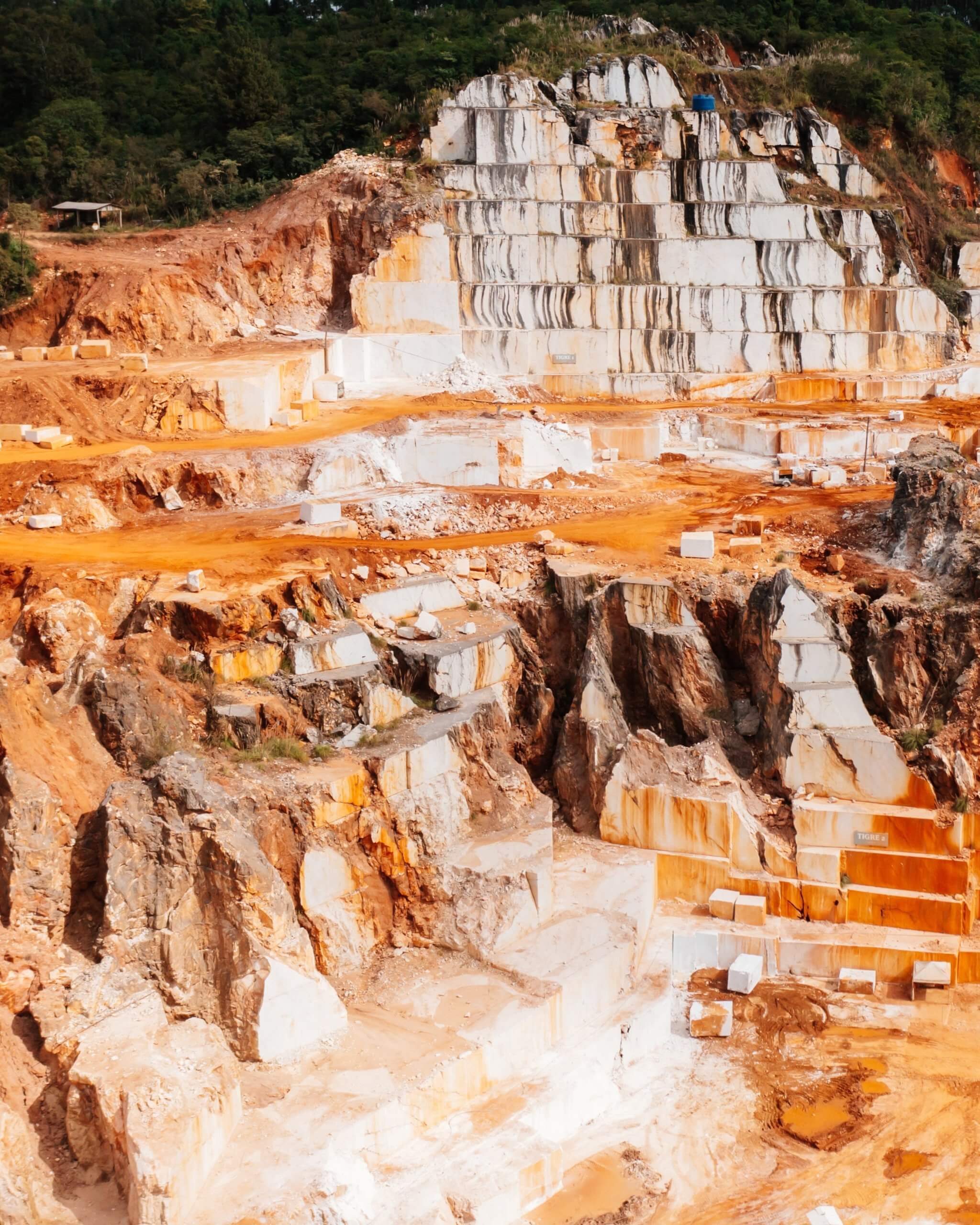
Credits: Image credits belong to their respective owners

Marimar’s role

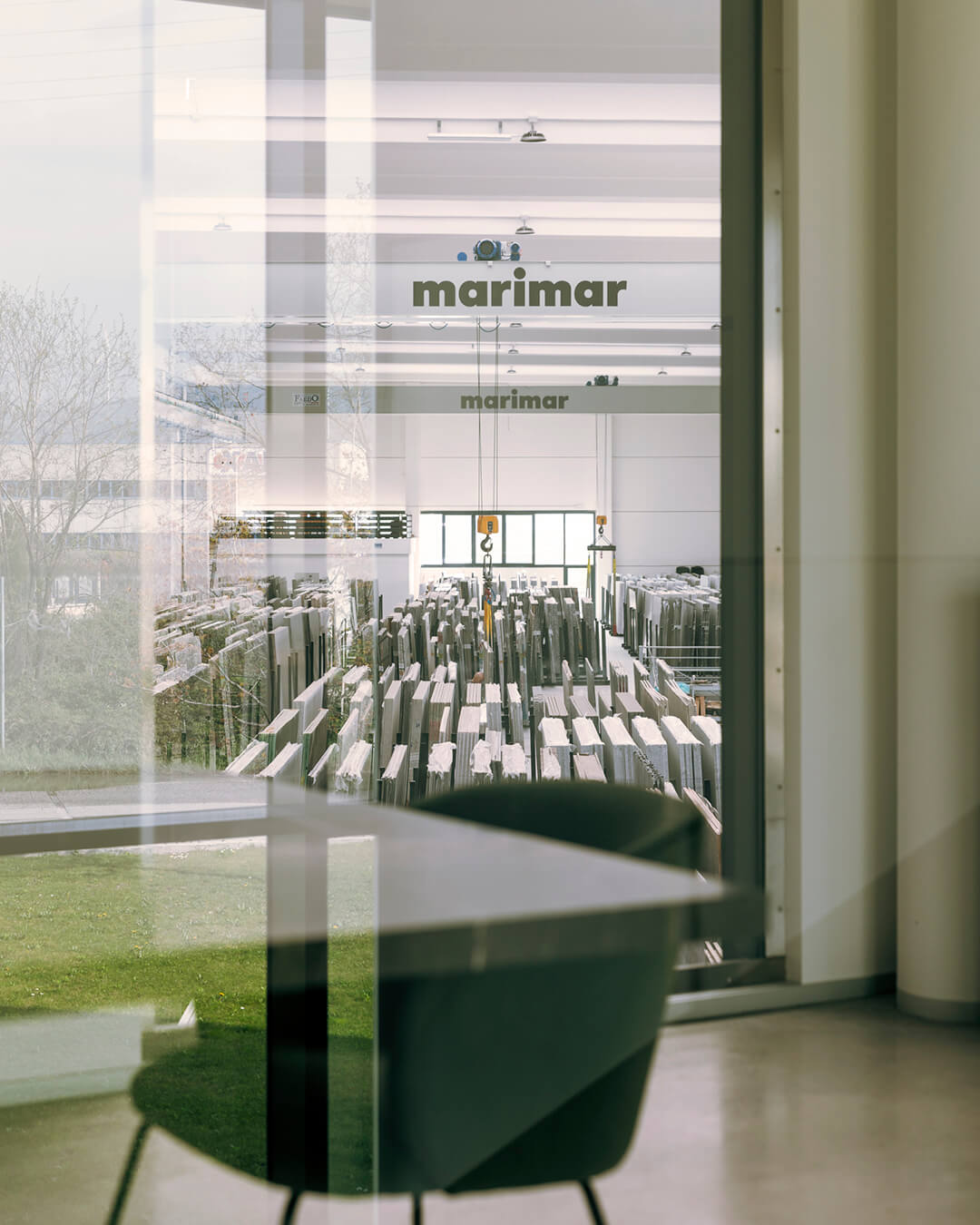
Marimar does not own quarries. But that gives us the freedom to select the best stones from anywhere in the world, depending on project needs and design vision.

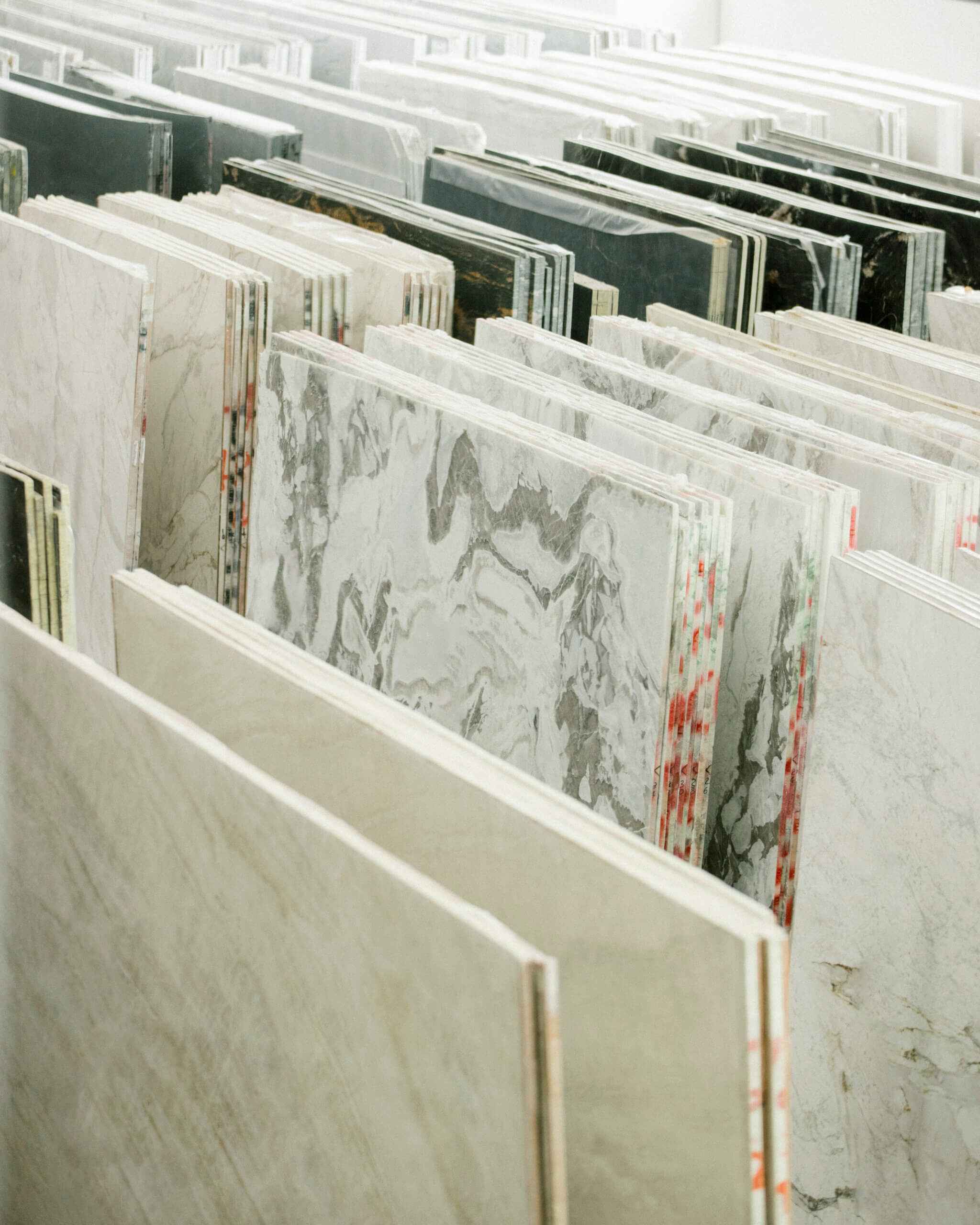
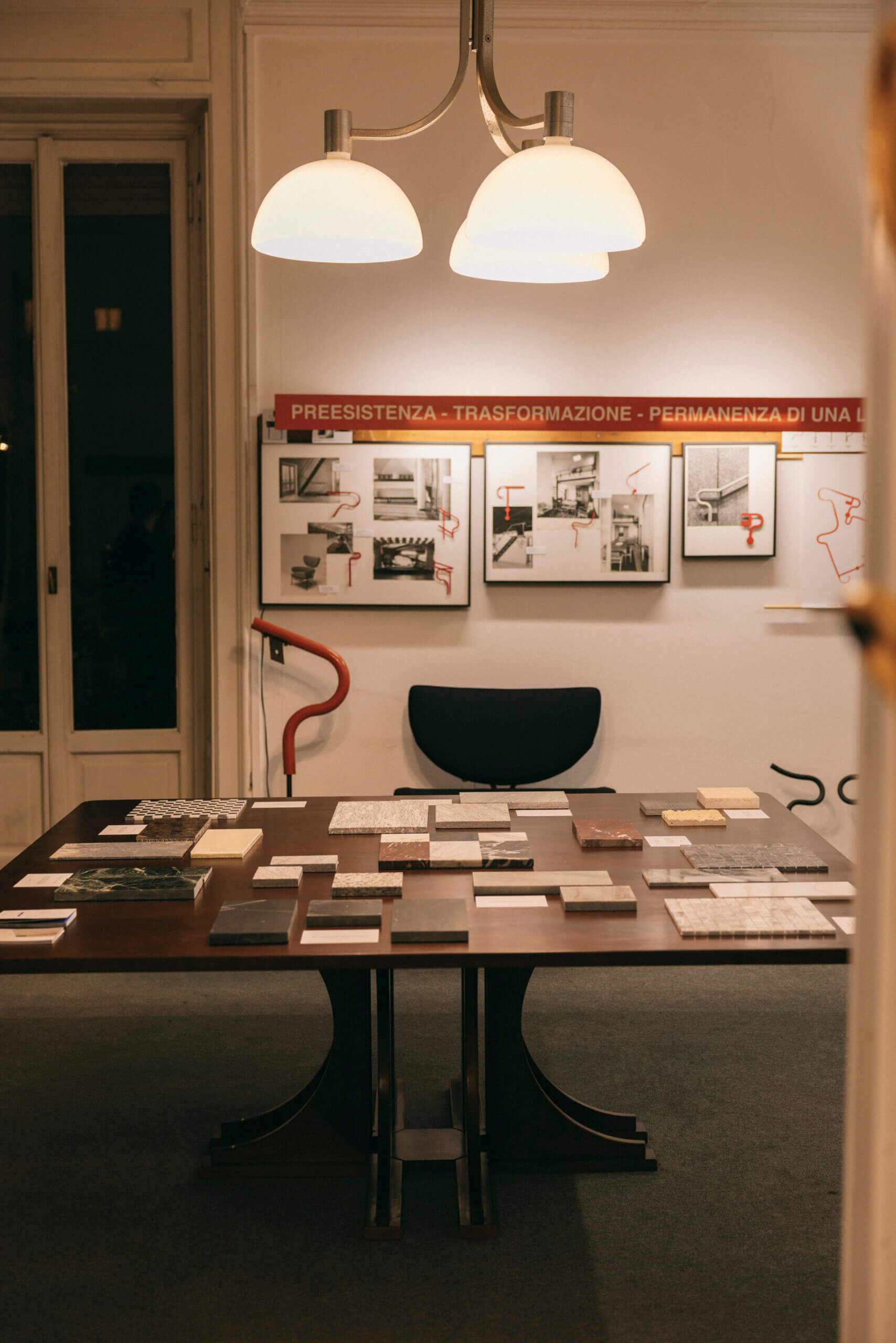
We play a dual role: distributors of slabs across Europe for a professional clientele (fabricators, stonemasons, other distributors); and project partners for architects and end clients, with deep knowledge of both materials and processing.

Credits: Matteo Bianchessi

Credits: Studio Mare, Nicolò Panzeri

A flexible model

Often these two worlds meet. Sometimes we involve one of our client fabricators in a project we’re developing with an architecture firm. Other times we integrate our production capabilities with theirs to complete a project they’re leading. And in many cases, we handle the entire process ourselves—from raw material to final installation.

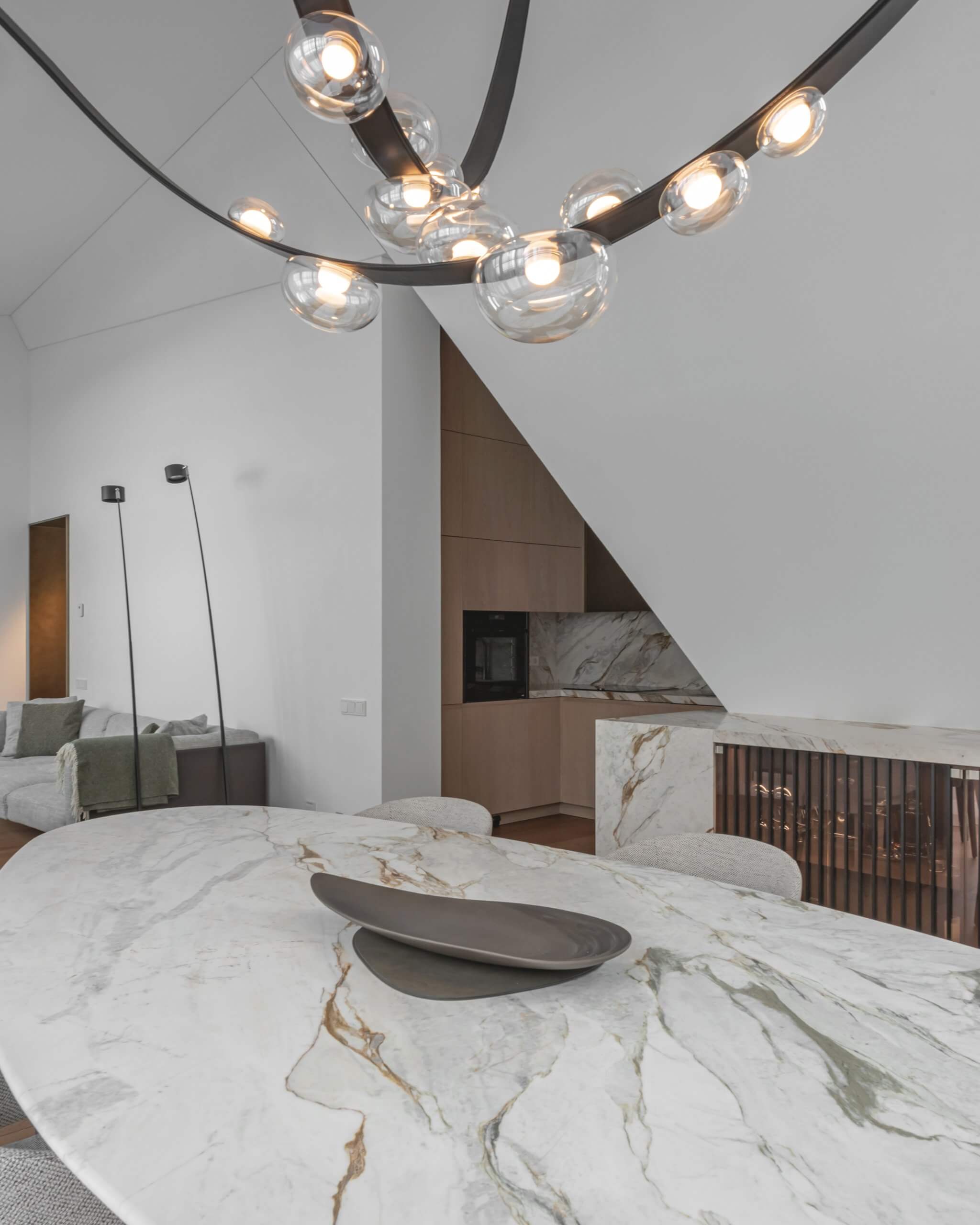
One example? See our Via Garibaldi project.

Credits: Matteo Bianchessi

A bridge between quarry and project

This hybrid positioning allows us to monitor the market in real time; offer technical and aesthetic consulting with a broad perspective; and act as a bridge between those who work stone and those who envision it.

It’s a model that works especially well in co-creation, where roles and skills merge to create high-value results.

Like in the Subaciaus Street project.

The natural stone supply chain isn’t linear—it’s made of junctions, collaborations and choices. Marimar navigates these paths with vision and flexibility, connecting materials, people and projects.

Credits: Lina Adi